

A/C Compressor Replacement Guide for the 1987-1996 GMC G3500
Keep your classic GMC G-series van cool by choosing the right A/C compressor and avoiding common installation mistakes.
- Always replace the accumulator/drier and orifice tube with the compressor; buy a kit.
- If your van is pre-1995, plan to convert the system from R-12 to R-134a during the repair.
- The quality of the installation (system flush, proper vacuum, correct oil) is more important than the specific brand you choose.
- Avoid remanufactured compressors; a new aftermarket unit provides better reliability for the cost.
Is Your G3500's A/C Blowing Hot Air?
When the air conditioning in your 1987-1996 GMC G3500 stops working, a failed A/C compressor is a common suspect. These vans used durable components, but after decades of service, failure is common. This guide will help you understand the symptoms of a bad compressor, choose a quality aftermarket replacement, and ensure the repair is done right the first time.
Symptoms of a Failing A/C Compressor
A bad compressor can show several signs. Being aware of them can help you diagnose the problem before it causes more damage.
- No Cold Air: The most obvious symptom is warm or hot air coming from the vents when the A/C is on.
- Loud Noises: A grinding, whining, or screeching sound when you turn the A/C on points to internal bearing failure or a problem with the compressor's clutch.
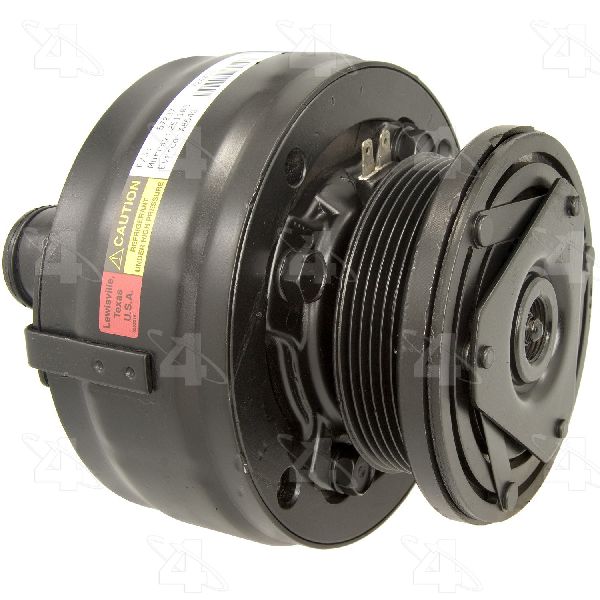
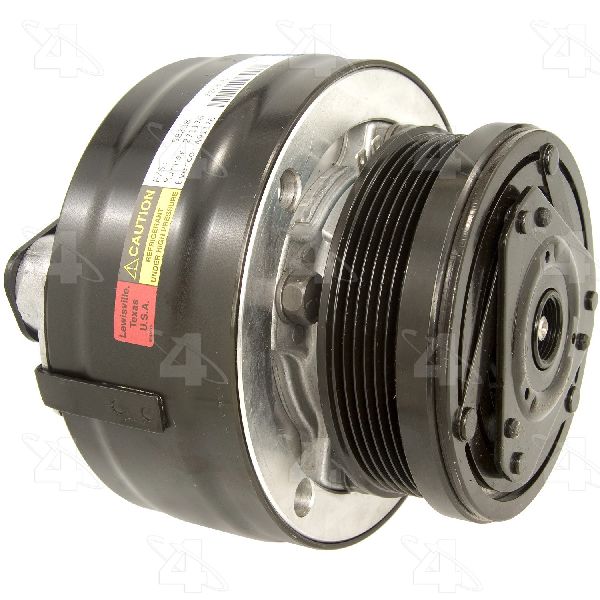
- Leaking Fluid: The compressor contains oil. You might see oily residue on the compressor body or on components below it. Some original ACDelco units were known to leak from the main housing seals, earning the nickname "bellyleaker".
- Stuck or Seized Clutch: The compressor's clutch engages to turn the pump. If it's seized, the compressor will run constantly. If it fails to engage, the compressor won't run at all, and you may see the center part of the pulley standing still while the belt spins around it.
Warning: "Black Death" System Failure
If a compressor fails internally, it can send metal shavings throughout the entire A/C system. This is known as "Black Death." If this happens, simply replacing the compressor is not enough. The new compressor will fail almost immediately. The entire system, including lines, condenser, and evaporator, must be professionally flushed, and the accumulator and orifice tube must be replaced.
Choosing the Right Aftermarket A/C Compressor
For a vehicle of this age, a new aftermarket compressor offers the best balance of value and reliability. Remanufactured units are available but are often advised against by mechanics due to inconsistent quality and high failure rates.
| Brand Tier | Brands | Quality & Cost Assessment |
|---|---|---|
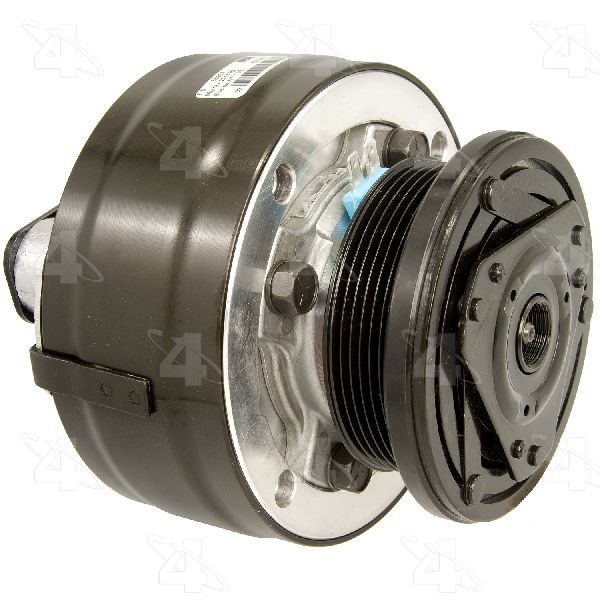
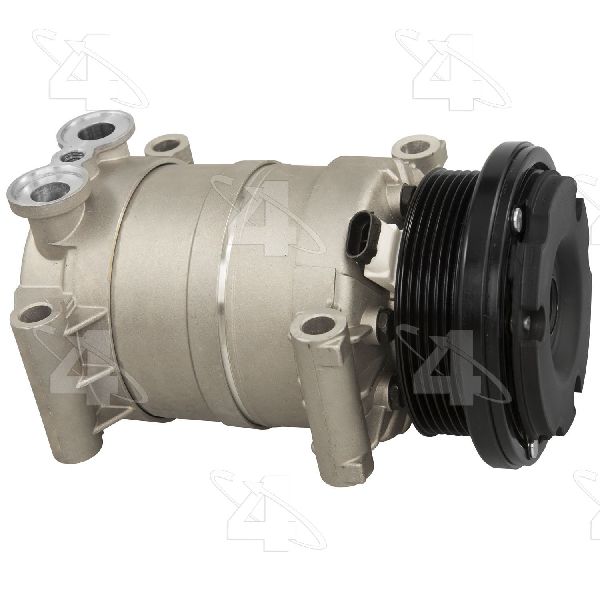
| Premium Aftermarket | ACDelco, Four Seasons | ACDelco is GM's official parts brand and is often considered the original part, though they offer different quality lines. Four Seasons is a well-known aftermarket leader. Forum discussions show mixed real-world results for both brands on older GM trucks; some last for years, while others fail prematurely. Expect to pay more for these brands. |
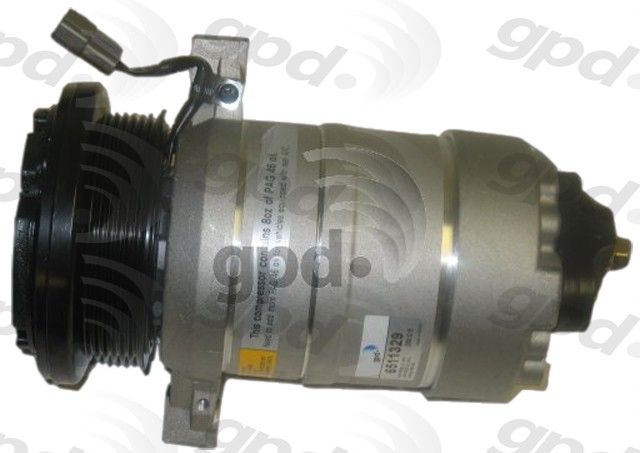
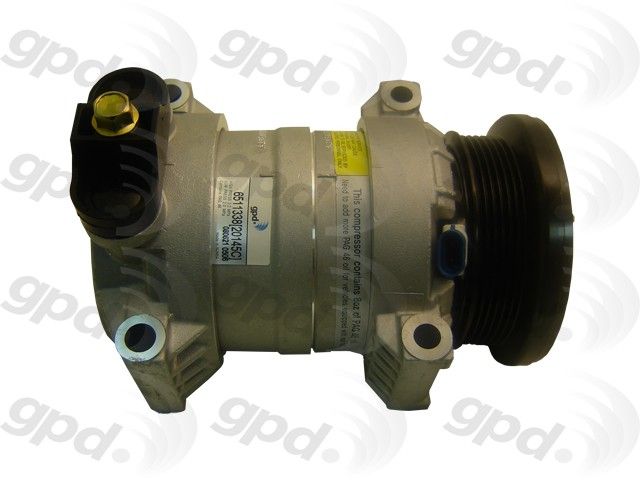
| Standard Aftermarket | Global Parts (GPD), UAC | These brands provide a cost-effective alternative. They are widely used and generally meet original specifications. For a work van like the G3500, these often provide a good mix of price and performance, especially when purchased as part of a complete kit. |
| Economy | Replacement (Private Label) | These are the most affordable options. Quality can be inconsistent. They are best suited for budget-focused repairs where longevity is less of a concern than initial cost. |
Pro Tip: Buy a Complete Kit
The most important factor in a successful A/C compressor replacement is replacing related components at the same time. Always buy a kit that includes a new A/C Accumulator (or Receiver/Drier) and a new Orifice Tube. Your new compressor's warranty will likely be void if you don't replace these parts. Kits often include the necessary O-rings as well.
Known Issues & Recalls
Searches of the National Highway Traffic Safety Administration (NHTSA) database did not find any A/C compressor-specific recalls or technical service bulletins (TSBs) for the 1987-1996 GMC G3500. Most issues are related to the age and wear of the components.
Frequently Asked Questions (FAQ)
Do I need to convert from R-12 to R-134a refrigerant?
Most likely, yes. Vans from 1987 to around 1994 came with R-12 refrigerant, which is no longer made and is extremely expensive. When you replace the compressor, it's the perfect time to convert to the modern, affordable R-134a standard. This involves flushing the old mineral oil, adding new PAG oil compatible with R-134a, replacing the accumulator and orifice tube, and installing R-134a service port adapters.
Can I replace just the A/C clutch?
While it is sometimes possible to replace only the clutch assembly, it often requires special tools. Given the age of the vehicle and the cost of a complete new compressor assembly (which includes a new clutch), it is almost always more cost-effective and reliable to replace the entire unit.
Why is flushing the A/C system so important?
The A/C system must be free of contaminants and old oil. Old oil from an R-12 system is not compatible with the oil used for R-134a. More importantly, if the old compressor failed internally, metal particles are now spread throughout the system. Flushing is the only way to remove these particles and prevent them from destroying your new compressor.
What is an accumulator and orifice tube, and why must I replace them?
The accumulator (or receiver-drier) is a filter that removes moisture and debris from the refrigerant. The orifice tube is a small part that controls the flow of refrigerant into the evaporator. These parts are critical filters for the system. A new accumulator is essential because it can only absorb a limited amount of moisture. Once the system is opened to the air for repair, the old one is saturated and must be replaced. Failure to replace them will lead to poor performance and rapid failure of the new compressor.
Technical Specifications
OEM Part Numbers: 15-20206
Compressor Type: R4 (common for this era). Refrigerant Type: R-12 (pre-1995), R-134a (1995-1996). Drive Type: V-Belt or Serpentine Belt (varies by year/engine).
We Have This Part in Stock

The information in this article is provided for general reference and educational purposes only. Vehicle specifications, procedures, and part compatibility can vary by production date, trim level, and region. Always consult your vehicle's factory service manual and verify part numbers before purchasing or performing repairs. Safety-critical components such as airbags, seat belts, and braking systems should be installed by a qualified professional.
- GMC G3500: