

Choosing a Catalytic Converter for Your 1987-1996 GMC G3500
Here is what you need to know when replacing the catalytic converter on your heavy-duty GMC van.
- You must identify and fix the root cause of the failure (e.g., engine misfire, oil leak) before installing a new converter, or the new part will also fail.
- Determine if your state requires a CARB-compliant converter or if a Federal/EPA model is sufficient.
- Choose between a more expensive but easier-to-install direct-fit model and a cheaper universal model that requires welding.
- For a vehicle of this age, expect seized bolts and rust, which can make replacement difficult and increase labor time.
Is Your G3500's Catalytic Converter Failing?
A catalytic converter's job is to clean your exhaust. When it fails, your van will let you know. The signs can range from subtle to severe.
- Check Engine Light: For 1996 models with OBD-II diagnostics, a code like P0420 (Catalyst System Efficiency Below Threshold) is a common sign. Earlier models may have less specific codes.
- Poor Engine Performance: You might feel a loss of power, sluggish acceleration, or even stalling. This happens when the converter is clogged, creating backpressure that chokes the engine.
- Rotten Egg Smell: A distinct sulfur or rotten egg smell from the exhaust means the converter isn't properly processing the gases.
- Rattling Noise: If you hear a rattling from under the vehicle, the ceramic honeycomb inside the converter may have broken apart.
- Failed Emissions Test: This is often the first time owners discover a problem, as a failing converter cannot properly reduce harmful emissions.
Address the Root Cause
A catalytic converter usually doesn't fail on its own. It's often killed by another problem. Common causes include engine misfires, oil or coolant leaks contaminating the exhaust, or a bad oxygen sensor. If you don't fix the original problem, you will likely ruin your new converter as well.
Choosing the Right Aftermarket Converter
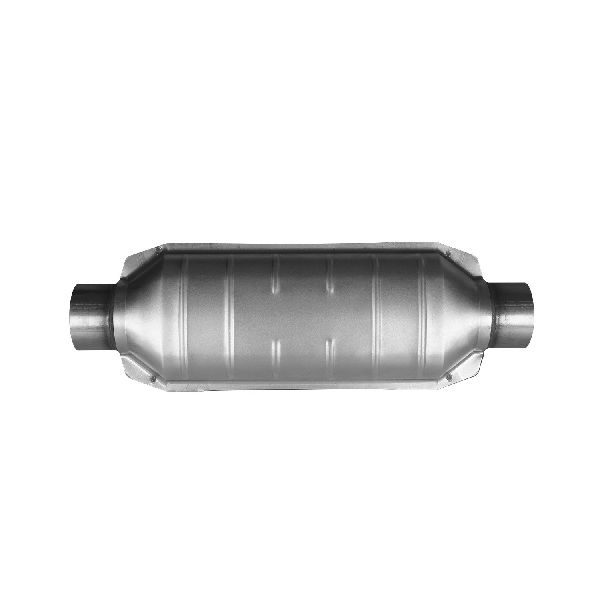
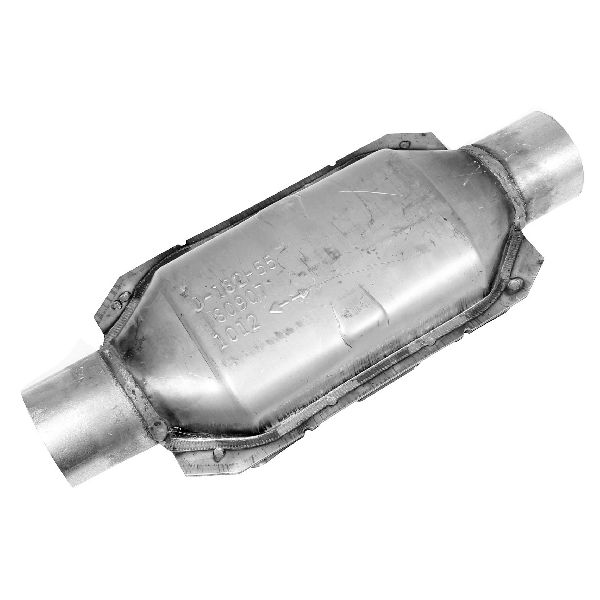
Original OEM converters for a van this age are often discontinued or extremely expensive. Aftermarket parts are the most common and practical solution. They fall into two main types: Direct-Fit and Universal.
- Direct-Fit Converters: These are designed to be a direct replacement for the factory part, with matching flanges and hangers. They are easier to install but cost more.
- Universal Converters: These are cheaper but require cutting the old converter out and welding the new one in. This requires special tools and skills.
Aftermarket Brand Tiers for Your G3500
Several brands offer converters for your van. They generally fall into different quality and price tiers.
Premium Brands (Higher Cost, Higher Quality):
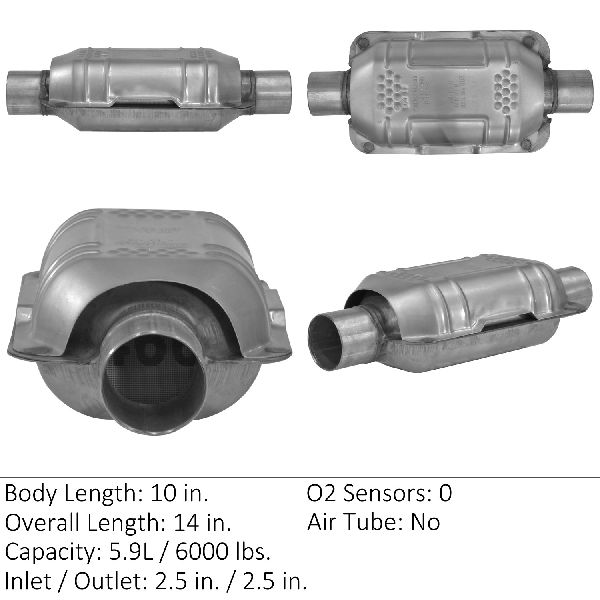
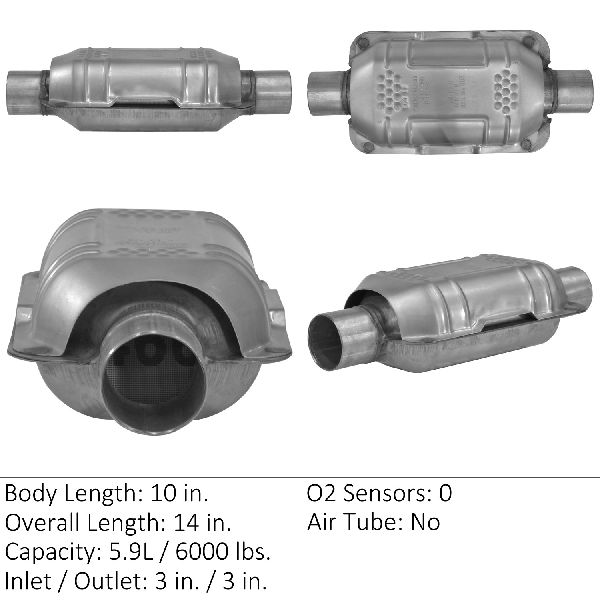
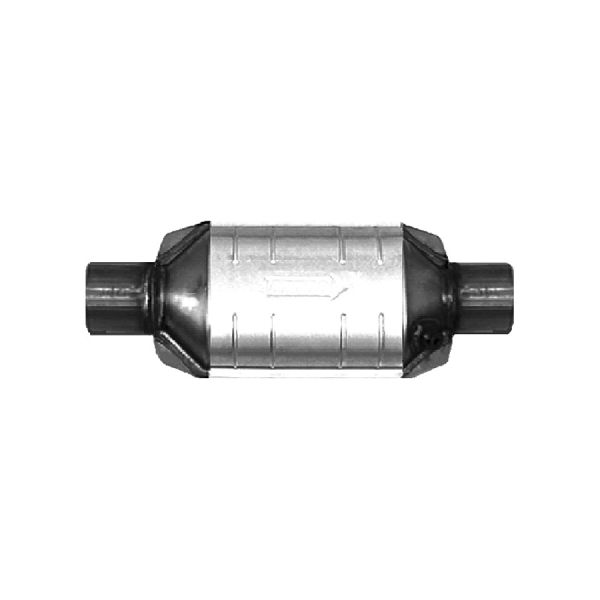
- MagnaFlow / MagnaFlow Performance Exhaust: Known for durable, stainless steel construction and high-flow designs. They are a top choice for longevity and performance but come at a higher price. Many options are available, including CARB-compliant models for stricter emissions states.
OEM-Equivalent Brands (Mid-Range Cost, Reliable Quality):
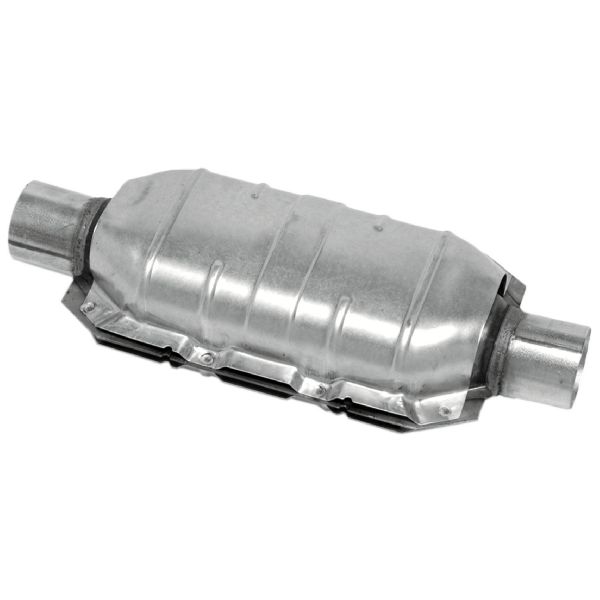
- Walker Exhaust: A highly trusted name for exhaust parts, Walker provides reliable, OEM-style replacements. Their direct-fit parts are known for good fitment, making installation easier. While very reliable, some users note they may not have the same rust resistance as full stainless steel units over many years.
Economy Brands (Lower Cost):
- AP Exhaust / Eastern Catalytic: These brands offer more budget-friendly options. They are a good choice if cost is the main concern, but they may not have the same lifespan or contain as many precious metals as premium brands, which could lead to issues passing strict emissions tests down the road.
CARB vs. EPA Federal: Know Your Laws
You must buy a converter that is legal in your state. Converters are either EPA (Federal) or CARB (California Air Resources Board) compliant. CARB converters are built to a higher standard and are required in California and several other states that have adopted its strict rules. Always check your local laws before buying. Installing a non-compliant converter can result in fines and a failed inspection.
Frequently Asked Questions
Do I need a direct-fit or universal converter?
If you want a straightforward, bolt-on installation with no welding, choose a direct-fit model. If you have access to a welder and want to save money, a universal converter is an option. For a vehicle this old, expect to deal with rusted and seized bolts either way.
Why do converter prices vary so much?
The price difference comes down to the amount of precious metals (platinum, palladium, rhodium) used, the material (stainless vs. aluminized steel), and the type (direct-fit vs. universal). More expensive converters typically last longer and are more effective at cleaning exhaust.
Will a new converter fix my P0420 code?
It might, but not always. The P0420 code means the converter is not working efficiently. This can be because the converter itself has failed, or because a bad oxygen sensor is giving a false reading, or an exhaust leak is present. Always diagnose the whole system before replacing parts.
Is catalytic converter theft a risk for my G3500?
Yes. Trucks and vans are common targets for theft because their high ground clearance makes the converters easy to access. While older converters may contain fewer precious metals than modern ones, theft is still a possibility.
Technical Specifications
The 1987-1996 GMC G3500 was available with several engines, including the 4.3L V6, 5.7L V8, and 7.4L V8. The correct catalytic converter depends on the engine size, wheelbase, and specific emissions package for your vehicle's model year. Always verify fitment using your vehicle's specific details before ordering.
We Have This Part in Stock

The information in this article is provided for general reference and educational purposes only. Vehicle specifications, procedures, and part compatibility can vary by production date, trim level, and region. Always consult your vehicle's factory service manual and verify part numbers before purchasing or performing repairs. Safety-critical components such as airbags, seat belts, and braking systems should be installed by a qualified professional.
- GMC G3500: