

Jaguar XJS (1987-1996) Engine Coolant Temperature Sensor Guide
A failing Engine Coolant Temperature Sensor can cause poor performance and fuel economy in your XJS; here's how to choose the right replacement.
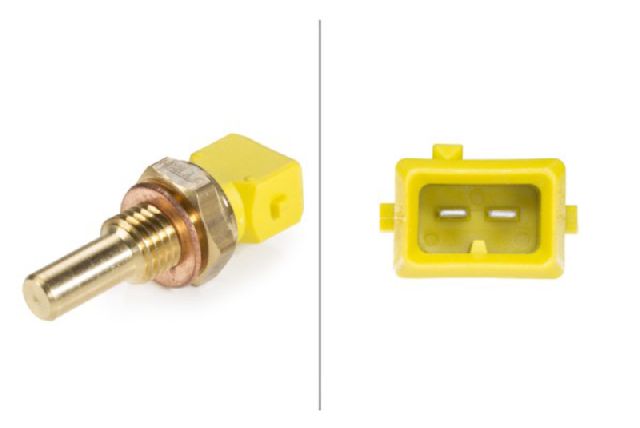
- The XJS has two sensors; confirm you are replacing the two-wire ECU sensor (like DAC2583), not the single-wire gauge sender.
- Symptoms of failure include poor MPG, black smoke, rough cold starts, and stalling when warm.
- A quality aftermarket sensor from a reputable brand is a reliable and cost-effective choice for this repair.
- Replacement is a simple DIY task that takes less than 30 minutes with basic tools.
Symptoms of a Failing Coolant Temperature Sensor
A faulty Engine Coolant Temperature (ECT) sensor can cause a variety of issues with your Jaguar XJS, often making you think a more serious problem exists. Because the sensor's reading is critical for fuel mixture calculations, most symptoms are related to the engine running too rich (too much fuel) or too lean (not enough fuel).
- Poor Fuel Economy: If the sensor fails and sends a constant "cold" signal to the ECU, the engine will run rich, drastically reducing your miles pergallon.
- Black Exhaust Smoke: A very rich fuel mixture can result in black smoke from the exhaust, particularly during warm-up or acceleration.
- Difficult Cold Starts & Rough Idle: 🎬 Watch: Troubleshooting a V12 XJS with a surging idle The engine may struggle to start, run rough, bog down, or cough when cold because the ECU isn't providing the correct fuel enrichment.
- Engine Stalling: In some cases, a sensor that fails by sending an open-circuit signal can cause the engine to stall suddenly when it's warm. It may restart after cooling down for a short period.
- Failed Emissions Test: An incorrect fuel mixture will almost certainly cause your vehicle to fail an emissions test.
Two Different Coolant Sensors
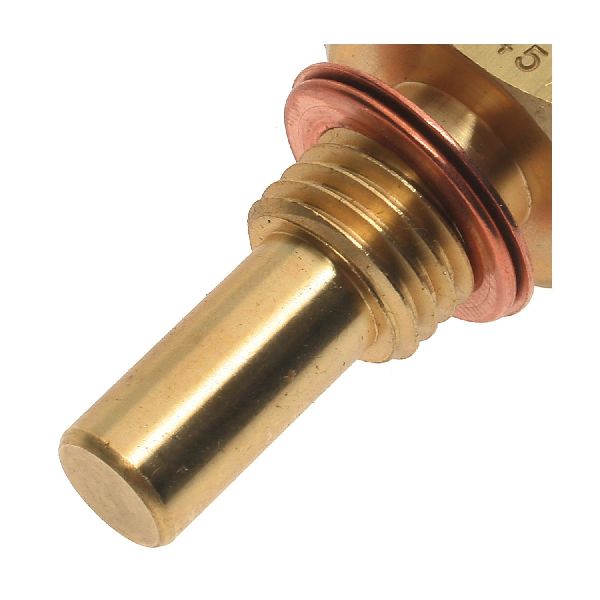
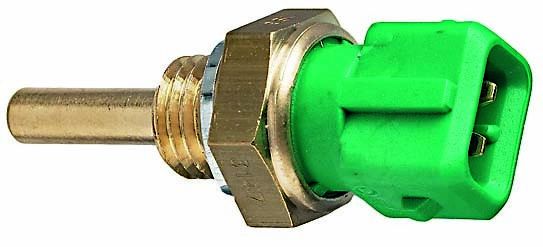
The Jaguar XJS, particularly the V12 models, has two separate coolant temperature units. The ECT Sensor (for the ECU) has a two-pin connector and directly affects engine performance. The Temperature Sender (for the dashboard gauge) has a single push-on connector and does not affect how the engine runs. Be sure to identify which part you need before ordering.
Choosing the Right Aftermarket ECT Sensor
For a vehicle like the 1987-1996 XJS, aftermarket parts offer a cost-effective way to maintain your car. The ECT sensor is a relatively simple electronic component, and several reputable aftermarket brands produce reliable replacements. There is little practical difference in day-to-day performance between a quality aftermarket sensor and an OEM (Original Equipment Manufacturer) part for this specific component. In some cases, the OEM part is simply a branded version of what an aftermarket company manufactures.
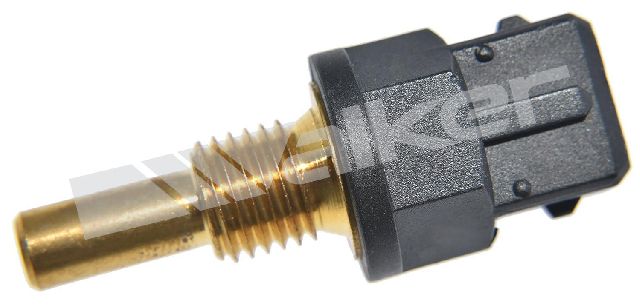
When shopping, you may find that some modern replacement sensors have a plastic hex body instead of the original brass. While both will function, the brass-bodied sensors are more durable and less likely to be damaged during installation. Given the choice, opt for a brass-bodied sensor.
| Brand Tier | Brands | Typical Price Range | Notes |
|---|---|---|---|
| Premium Aftermarket | Hella, Walker Products | $35 - $45 | Often have a strong reputation for quality control and durable materials. |
| Standard Aftermarket | Facet, Four Seasons, Standard Ignition, True Tech | $25 - $35 | Good value, widely available, and generally reliable for this application. A solid choice for most owners. |
| Economy | Global Parts | $21 - $25 | The most budget-friendly option. While functional, long-term durability may vary. |
Pro Tip: A Quick Swap
When replacing the sensor, have the new part ready to go. If you work quickly, you can unscrew the old sensor and screw in the new one with minimal coolant loss. Leaving the radiator cap on can also help create a vacuum to reduce spillage. Always check your coolant level after the job is complete.
Frequently Asked Questions (FAQ)
How many coolant temperature sensors does my XJS have?
Your XJS has two. One is the Engine Coolant Temperature (ECT) Sensor for the fuel injection computer (ECU), which has a two-wire plug. The other is a single-wire Temperature Sender for the dashboard gauge. This guide is about the ECT Sensor for the ECU.
Where is the ECT sensor located on the XJS?
On V12 models, the ECT sensor for the ECU is typically located on the front of the 'B' bank (left side of the engine when viewed from the driver's seat) on the thermostat housing. On 4.0L 6-cylinder (AJ6) engines, it is also located on the thermostat housing.
Can I test my old sensor before replacing it?
Yes. Using a multimeter set to measure Ohms (Ω), you can check the resistance across the two pins of the sensor. The resistance should change smoothly as the engine warms up. A common resistance value for a warm engine is around 250-325 Ohms. A reading of infinity (open circuit) or zero indicates a failed sensor.
Is there a recall or TSB for the XJS coolant sensor?
Our search found no recalls for this part. However, Jaguar did issue a Technical Service Bulletin (TSB JD 10/92) for facelift models (VIN 179737 onwards) concerning the *gauge sender*, not the ECU sensor. This TSB introduced a new sender (part DAC 11079) to correct high readings on the dashboard gauge. Another TSB revised the torque specification for the sensor to 14.5 - 19.5 Nm.
Helpful Videos

Technical Specifications
OEM Part Numbers: DAC2583 DAC4737 DBC3728
This is a two-terminal Negative Temperature Coefficient (NTC) thermistor. Resistance decreases as temperature increases. A common resistance value at operating temperature (approx. 80-90°C) is around 250-325 ohms.
We Have This Part in Stock


The information in this article is provided for general reference and educational purposes only. Vehicle specifications, procedures, and part compatibility can vary by production date, trim level, and region. Always consult your vehicle's factory service manual and verify part numbers before purchasing or performing repairs. Safety-critical components such as airbags, seat belts, and braking systems should be installed by a qualified professional.
- Jaguar XJS: