

Jeep Wrangler YJ Manifold Absolute Pressure (MAP) Sensor Guide (1987-1996)
Learn to identify a failing MAP sensor on your YJ and choose the right aftermarket replacement to restore performance.
- A failing MAP sensor on a YJ Wrangler commonly causes a rich running condition, leading to poor fuel economy, black smoke, and hesitation.
- The sensor is located on the firewall and is extremely easy to replace, making it a great DIY task for any owner.
- Before replacing the sensor, always check its connecting vacuum hose for cracks or leaks, as this can cause identical symptoms.
- For this part, choosing a reputable aftermarket brand like Standard Ignition (SMP) or Delphi is a reliable and cost-effective choice over searching for scarce OEM parts.
Symptoms of a Failing MAP Sensor in a YJ Wrangler
A bad MAP sensor can cause a range of noticeable engine problems because it directly affects the air-fuel mixture. Since these sensors can fail from heat and vibration over time, it's a common issue on older Jeeps. Often, the sensor will send incorrect data to the computer, making it think the engine is under more or less load than it actually is. This can lead to a rich or lean fuel mixture. Watch for these common signs:
- Poor Fuel Economy: One of the most common symptoms. If the computer thinks the engine is under a heavy load, it will inject more fuel than necessary, causing your gas mileage to drop.
- Black Smoke from Exhaust: This is a clear sign of a rich fuel mixture, meaning too much gasoline and not enough air is being burned. This can be caused by a faulty MAP sensor telling the computer to dump excess fuel.
- Rough Idle: An incorrect air-fuel ratio makes it difficult for the engine to maintain a steady idle.
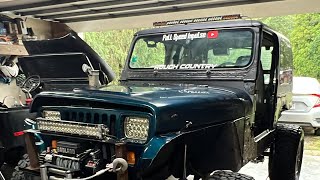
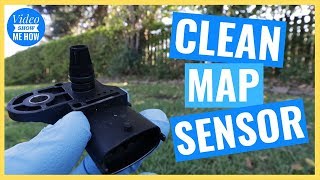
- Hesitation or Stumbling: When you accelerate, the engine may hesitate, sputter, or feel like it's falling on its face. 🎬 Watch this guide to testing your MAP sensor and TPS. This happens because the computer isn't providing the correct fuel mixture for the change in engine load.
- Failed Emissions Test: An improper air-fuel ratio will lead to high levels of pollutants in the exhaust, causing a failed emissions test.
- Check Engine Light: A failing MAP sensor will often trigger a Diagnostic Trouble Code (DTC) and illuminate the Check Engine Light. On 1987-1995 models, you can retrieve these OBD-I codes using the "key trick." 🎬 See how to diagnose and replace a faulty MAP sensor.
Choosing the Right Aftermarket MAP Sensor
For a vehicle like the 1987-1996 Wrangler YJ, new OEM Mopar parts can be difficult to find or have been superseded by newer part numbers. Aftermarket brands offer a reliable and accessible alternative. The key is to choose a brand known for quality electronic components.
Brand Quality Tiers
- Premium Aftermarket (Recommended): Brands like Standard Ignition (SMP), Delphi, and NGK/NTK have a strong reputation for producing reliable engine management sensors. They are often manufactured to meet or exceed original specifications and are a solid choice for dependability.
- Jeep-Specific Aftermarket: Brands such as Crown Automotive and Omix-Ada are popular in the Jeep community and specialize in replacement parts. They offer a direct-fit replacement and are a good mid-tier option that balances cost and quality. User reviews are generally positive for fit and function.
- Value Brands: Other brands like Spectra, Walker Products, and True Tech provide a more budget-friendly option. While they can perform correctly, their long-term durability may not match that of the premium brands.
Pro Tip: Check the Vacuum Line
The MAP sensor is connected to the intake manifold by a small rubber vacuum hose. Before replacing the sensor itself, always inspect this hose for cracks, brittleness, or loose connections. A vacuum leak can mimic the symptoms of a bad MAP sensor and is a much cheaper fix.
Typical Replacement Costs
Replacing the MAP sensor on a YJ Wrangler is a straightforward job. The sensor is located on the firewall, making it easy to access.
| Part/Service | Estimated Cost |
|---|---|
| New Aftermarket Part | $32 - $100 |
| Shop Labor | $50 - $100 |
| Total Estimated Cost | $82 - $200 |
Frequently Asked Questions
Where is the MAP sensor located on a 1987-1996 Jeep Wrangler?
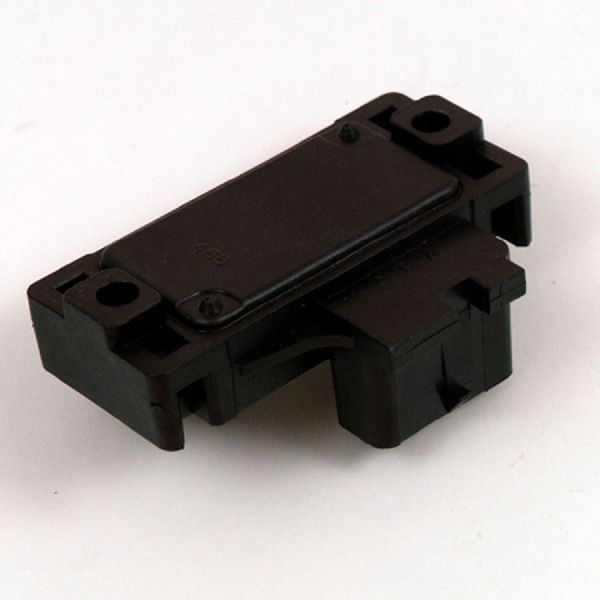
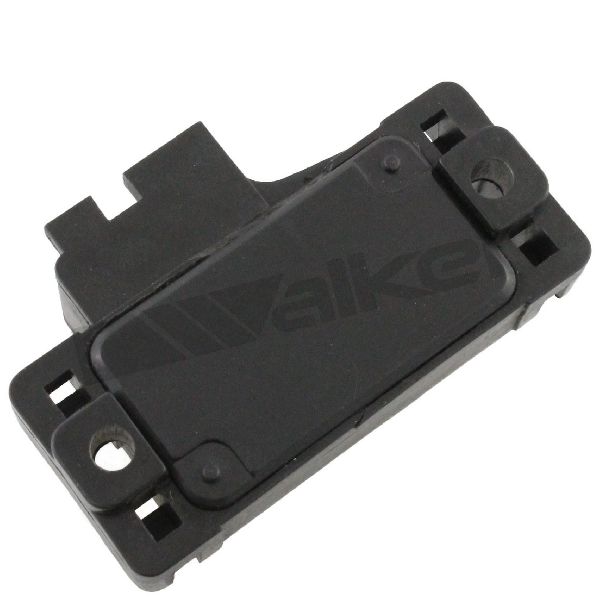
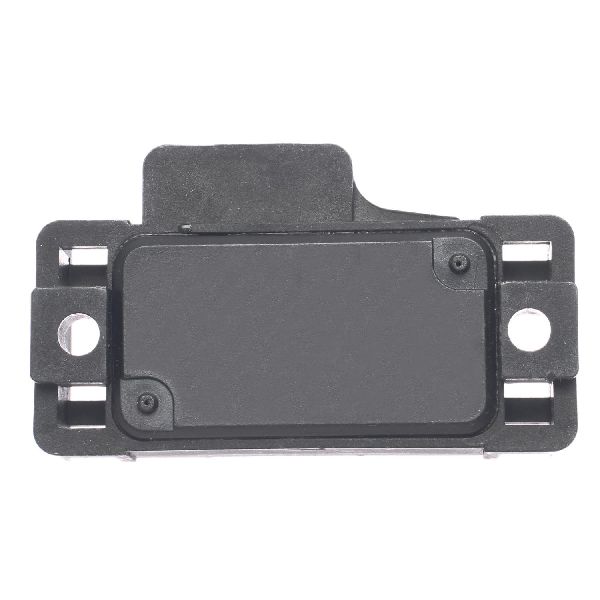
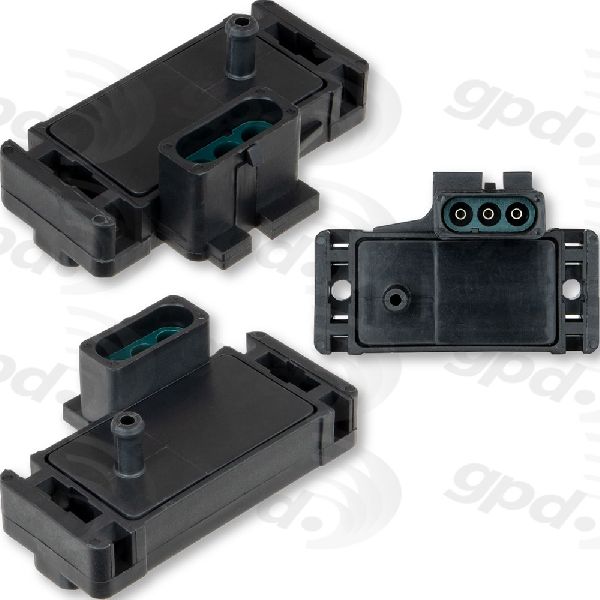
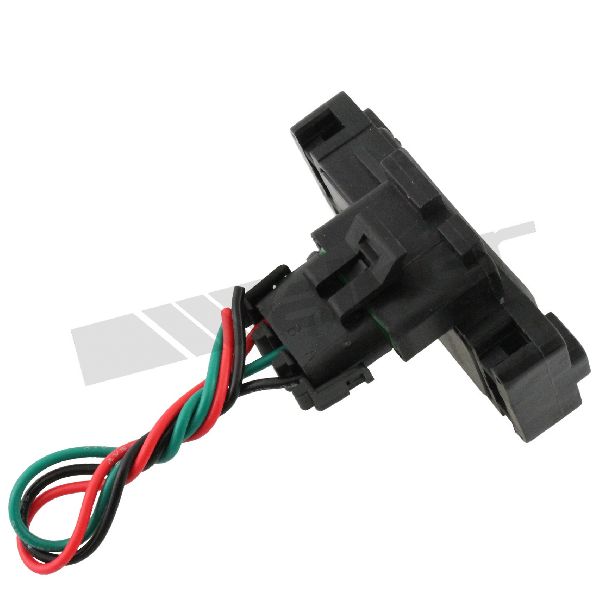
The MAP sensor on the YJ Wrangler is mounted on the firewall, typically just above the engine's valve cover. It is a small, rectangular plastic box with a 3-wire electrical connector and a single vacuum hose port.
Is replacing a MAP sensor a difficult job?
No, this is a very easy job suitable for any DIYer. It typically involves removing two screws or bolts, unplugging the electrical connector, and disconnecting one vacuum hose. The entire process can usually be completed in under 30 minutes with basic hand tools.
Can I clean a MAP sensor?
Unlike a Mass Airflow (MAF) sensor, a MAP sensor is a sealed electronic unit that measures pressure and doesn't typically get contaminated with dirt or oil in the same way. While some diesel engine MAP sensors can be cleaned of soot, for a gasoline YJ, cleaning is generally not effective. If the sensor is faulty, it needs to be replaced.
What happens if I don't replace a bad MAP sensor?
Continuing to drive with a faulty MAP sensor can lead to several problems. You will experience poor engine performance and terrible fuel economy. More seriously, running a consistently rich fuel mixture can foul your spark plugs and eventually damage the catalytic converter, which is a much more expensive repair.
Helpful Videos
Technical Specifications
OEM Part Numbers: 33000153 53009901 33004218
The MAP sensor for the 1987-1996 Jeep Wrangler is a 3-pin electronic sensor that translates intake manifold vacuum into a voltage signal for the ECU. It connects via a single vacuum port to the intake and is mounted on the vehicle's firewall.
We Have This Part in Stock


The information in this article is provided for general reference and educational purposes only. Vehicle specifications, procedures, and part compatibility can vary by production date, trim level, and region. Always consult your vehicle's factory service manual and verify part numbers before purchasing or performing repairs. Safety-critical components such as airbags, seat belts, and braking systems should be installed by a qualified professional.
- Jeep Wrangler: