

Jeep Wrangler YJ Oxygen Sensor Guide (1987-1996)
Fix poor gas mileage and a rough idle by choosing the right O2 sensor for your 4.0L, 4.2L, or 2.5L engine.
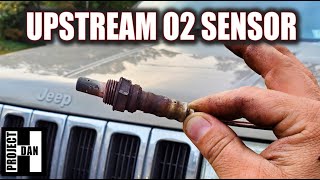
- Your 1987-1996 YJ has only ONE upstream O2 sensor; don't look for a second one.
- For best results and longevity, choose an NTK or Denso direct-fit sensor.
- Always use an O2 sensor socket and apply anti-seize to the new sensor's threads for easier future replacement.
- Ignoring a bad O2 sensor can lead to expensive catalytic converter damage over time.
Is Your YJ's Oxygen Sensor Failing?
An O2 sensor doesn't last forever. Contaminants like burned oil, carbon, and normal wear from extreme heat will cause it to fail over time. When it goes bad, your engine's computer gets bad information, leading to a poor air-fuel mixture. This can cause noticeable problems and, if ignored, can even damage your catalytic converter from running too rich.
Symptoms of a Bad O2 Sensor
- Check Engine Light: This is the most common sign. The code is often related to slow sensor response (like P0133 on later models).
- Poor Fuel Economy: If you're stopping for gas more often, a bad O2 sensor is a likely culprit. The engine often defaults to a rich fuel mixture, wasting gas.
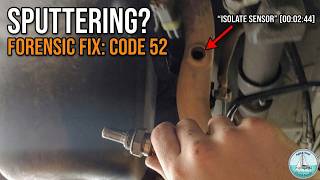
- Rough Idle or Misfire: An unstable air-fuel mix can make 🎬 See how to diagnose a sputtering engine and O2 codes your engine shake, stumble, or idle poorly.
- Failed Emissions Test: An O2 sensor is essential for controlling emissions. A bad sensor is a guaranteed way to fail a smog check.
- Rotten Egg Smell: This distinct smell from the exhaust indicates that unburned fuel is overheating in the catalytic converter, a direct result of a rich fuel mixture caused by the failing sensor.
Choosing the Right Aftermarket O2 Sensor for Your YJ
Not all aftermarket sensors are created equal. For a critical component like this, brand quality matters. Based on extensive owner feedback and mechanic recommendations, here is a breakdown of available brands.
Tier 1: OEM Quality
These brands are known to be original equipment manufacturers for many automakers, including Jeep. They offer the best reliability and compatibility.
- NGK (NTK): Widely considered the original OEM supplier for Jeep. NTK is the sensor division of NGK. This is the most recommended brand by Jeep enthusiasts for a trouble-free replacement.
- Denso: Another top-tier Japanese brand known for exceptional quality and reliability. You cannot go wrong choosing a Denso sensor.
Tier 2: Reputable Aftermarket
These brands are generally reliable and a solid choice if OEM-quality brands aren't available, though some have mixed reviews specifically for Jeeps.
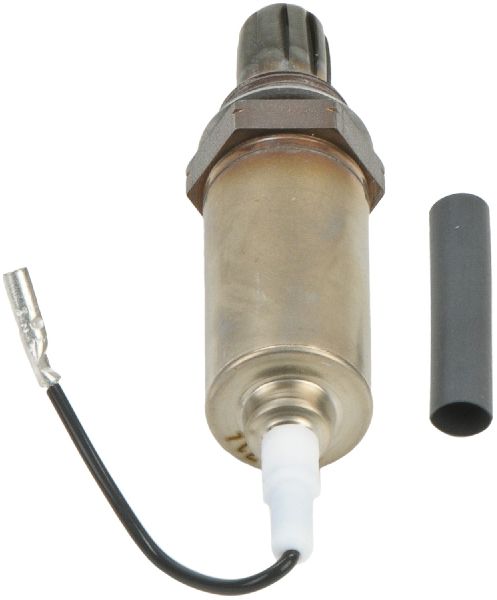
- Bosch: While Bosch invented the O2 sensor and is a huge OEM supplier, they have a hit-or-miss reputation in the Jeep community. Some owners report that their resistance values or physical size can cause issues where NTK or Denso work perfectly.
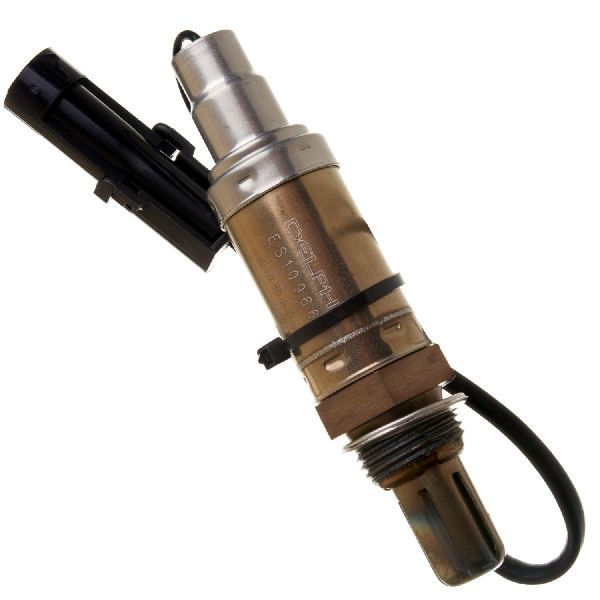
- Delphi: A well-regarded aftermarket brand that offers good quality parts.
Tier 3: Economy Brands
These brands offer attractive pricing but can be a gamble on longevity and performance. They are often specific to the Jeep aftermarket.
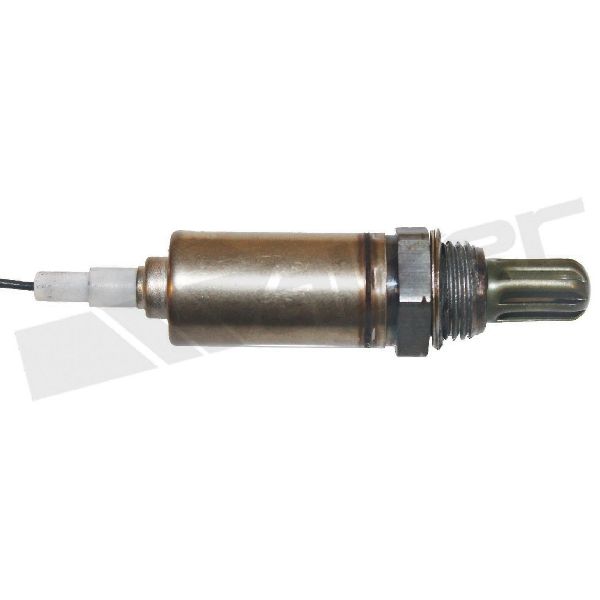
- Crown Automotive, Omix-Ada, Walker Products: These brands are popular for budget-friendly Jeep parts. However, reviews for their sensors are mixed, with some reports of premature failure. They might work fine as a budget fix, but don't be surprised if they don't last as long as a Tier 1 sensor.
| Part Type | Estimated Cost |
|---|---|
| New Aftermarket | $28 - $108 |
| New OEM (Mopar) | $75 - $150 |
| Shop Labor | $50 - $100 |
Frequently Asked Questions
How many O2 sensors does a 1987-1996 Wrangler have?
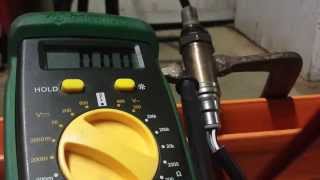
All YJ Wranglers from this period have only one oxygen sensor. It is an upstream sensor located in the exhaust pipe before the catalytic converter. 🎬 Watch: How to locate and test your YJ's oxygen sensor They do not have downstream sensors.
Is it hard to replace an O2 sensor on a YJ?
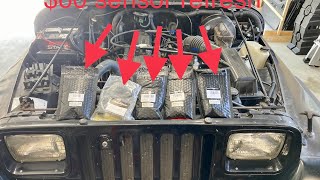
No, this is a great DIY job for beginners. 🎬 Follow this step-by-step guide for a $60 sensor tune-up It's usually easy to access in the engine bay or from under the Jeep. The main challenge is often the old sensor being seized in the exhaust pipe.
What tools do I need to replace the sensor?
You will need a specific O2 sensor socket, which has a slot for the wire to pass through. It's also highly recommended to have penetrating oil (like PB Blaster) and to warm up the engine for a few minutes to help loosen the old sensor. Always apply anti-seize compound to the threads of the new sensor before installation.
Do I need a different sensor for the 2.5L, 4.2L, or 4.0L engine?
Yes. The sensor's wiring, connector, and heating element can differ between the 4-cylinder and 6-cylinder engines, as well as between the carbureted 4.2L (87-90) and fuel-injected 4.0L (91-96). Always verify the part fits your exact year and engine before ordering.
Are there any recalls for the YJ oxygen sensor?
There are no active recalls or common Technical Service Bulletins (TSBs) from the NHTSA for the oxygen sensor on the 1987-1996 Jeep Wrangler.
Helpful Videos
Technical Specifications
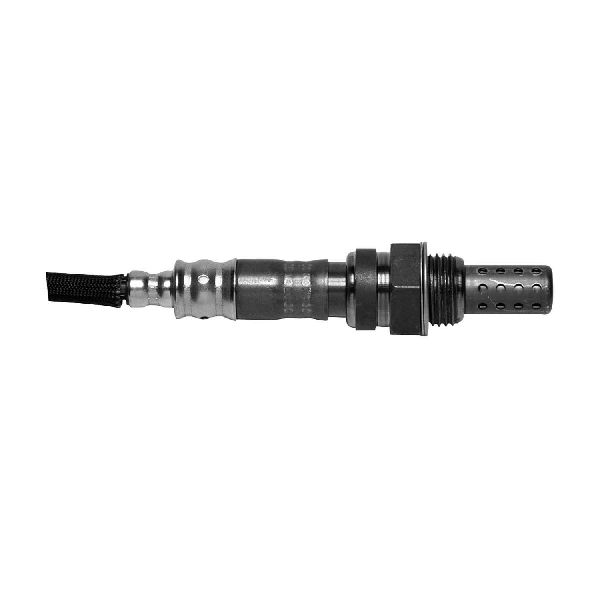
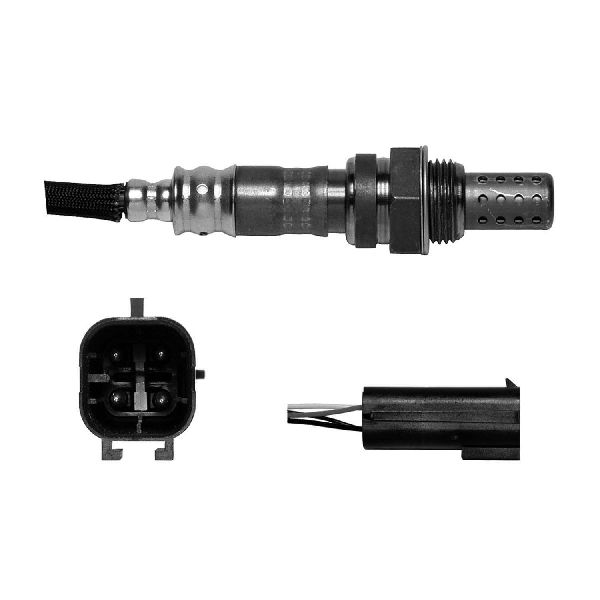
OEM Part Numbers: 56028301 53002106 56029084AA 5014780AA
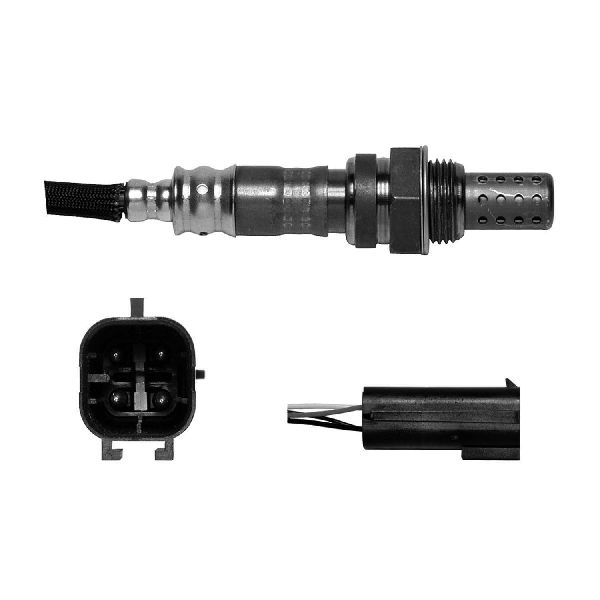
Location: Upstream (before catalytic converter). Quantity: 1. Wire Count: Varies by engine (1, 3, or 4-wire). Connector: Vehicle-specific plug (direct-fit recommended).
We Have This Part in Stock

The information in this article is provided for general reference and educational purposes only. Vehicle specifications, procedures, and part compatibility can vary by production date, trim level, and region. Always consult your vehicle's factory service manual and verify part numbers before purchasing or performing repairs. Safety-critical components such as airbags, seat belts, and braking systems should be installed by a qualified professional.
- Jeep Wrangler: