

BMW 325i (1987-1997) Engine Coolant Temperature Sensor Guide
Understand the two different coolant sensors in your E30 or E36 BMW to ensure you buy the right part the first time.
- Your BMW 325i has two coolant sensors: one for the engine computer (DME) and one for the dash gauge.
- Diagnose the symptom first: poor running is the DME sensor, a bad gauge reading is the gauge sensor.
- Before ordering, check the color of the plastic connector on your failed sensor (usually blue/black for DME, brown for gauge).
- Replacement is an easy DIY job, but the engine must be cold and you should have a new crush washer ready.
Understanding Your BMW's Two Coolant Sensors
Unlike many cars, the E30 and E36 generations of the BMW 325i use a dual-sensor system for monitoring coolant temperature. It's a common mistake to order the wrong one. Before you buy, you must identify which sensor has failed.
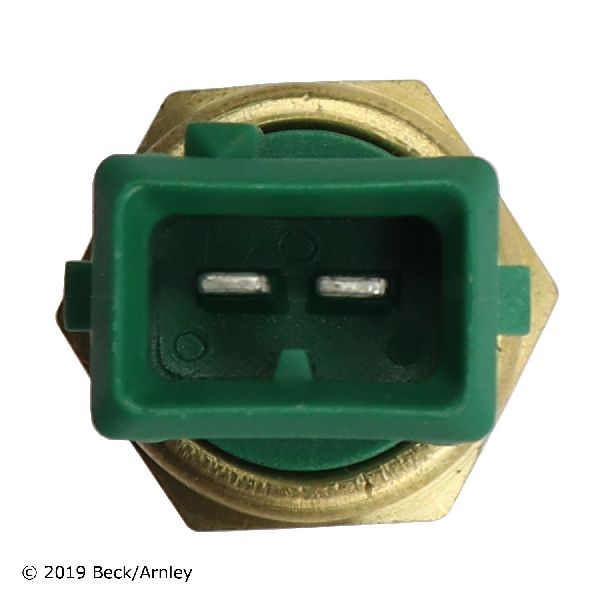
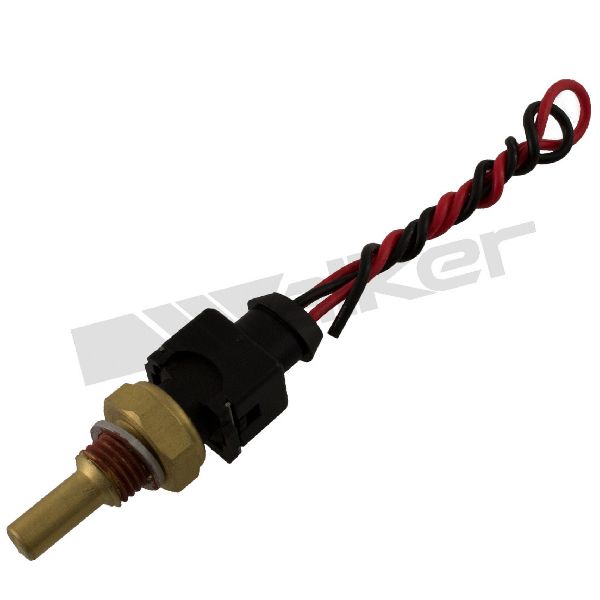
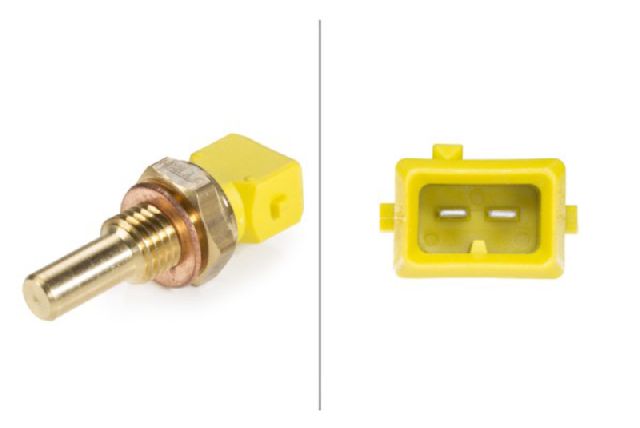
- DME/ECU Coolant Temp Sensor: This is the brain's sensor. It's the more critical of the two for engine performance. It tells the engine control unit (DME) how hot the engine is, which affects fuel injection and idle control. A failure here can make your car run poorly. It usually has a blue or black connector with two pins.
- Gauge Temp Sensor: This sensor's only job is to make the needle on your dashboard's temperature gauge move. It's a simpler, single-pin sensor, often with a brown connector. If this one fails, your gauge will read incorrectly or not at all, but it won't affect how the engine runs.
Symptoms of a Bad Coolant Temperature Sensor
The symptoms you experience will point you to the failed sensor.
- Poor Engine Performance: If you have a rough idle, bad fuel economy, hard starting when cold, or a check engine light, the DME sensor is the likely culprit.
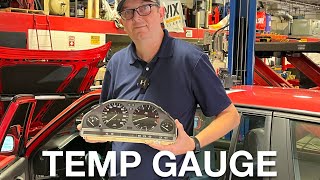
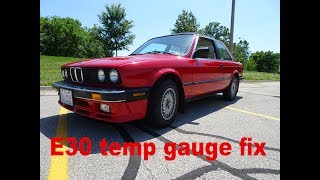
- Inaccurate Gauge Reading: If the temperature gauge on your dash is stuck on cold, jumps to hot immediately, or doesn't move at all, the gauge sensor has likely failed. 🎬 Watch this full diagnostic guide for E30 temperature gauge issues.
Common Ordering Mistake
The most frequent error is ordering a new sensor based only on the name. Always diagnose the symptom first. If your gauge is broken, replace the gauge sensor (brown top). If the engine is running poorly, replace the DME sensor (blue/black top). Check the color of the sensor in your car before ordering to be sure.
Choosing the Right Aftermarket Brand
For a part like this, you don't always need to pay for a genuine BMW part. Quality aftermarket brands offer a great balance of price and reliability. Here’s a breakdown of available brands:
- Top Tier (OEM/OES Quality): Brands like Hella and Vemo are often original equipment suppliers to German automakers. They are trusted choices for fit and long-term reliability. Bosch is also an OEM supplier for this part and a top choice if available.
- Reliable Mid-Tier: Brands such as Beck Arnley, Standard Ignition, and True Tech offer a solid combination of quality and value. They are well-known in the aftermarket and produce parts to meet or exceed original specifications.
- Budget-Friendly: Brands like Facet, Walker Products, and Global Parts are good options if the price is your main concern. For a simple sensor, many owners have success with these brands, though they may not have the same long-standing reputation as the top-tier German brands.
| Tier | Brands | Notes |
|---|---|---|
| Top Tier | Hella, Vemo | Often OEM/OES for German cars. Highest quality and reliability. |
| Mid-Tier | Beck Arnley, Standard Ignition, True Tech | Reputable aftermarket brands with a good balance of cost and quality. |
| Budget | Facet, Walker Products, Global Parts | Cost-effective options suitable for a straightforward part like a sensor. |
Pro Tip: Installation
Replacing these sensors is a simple DIY job that takes less than an hour. Always work on a cold engine. Have the new sensor ready to swap in quickly to minimize coolant loss. Use a new crush washer to prevent leaks. 🎬 See this walkthrough for removing and installing the sensor. After replacement, it's a good idea to bleed any air from the cooling system.
Frequently Asked Questions
Where are the coolant temperature sensors located?
On both E30 (M20 engine) and E36 (M50/M52 engine) 325i models, the sensors are typically located on or near the thermostat housing at the front of the engine. You will see two similar-looking sensors, distinguished by their connector colors (blue/black and brown).
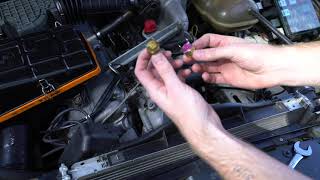
🎬 Watch a quick fix for E36 coolant temperature sensors.Are there any recalls for the 1987-1997 325i coolant temp sensor?
No. Searches of the NHTSA database and other sources show no recalls or technical service bulletins (TSBs) for the engine coolant temperature sensor on the 1987-1997 BMW 325i.
Can I replace just one sensor?
Yes. The sensors operate independently. You only need to replace the one that has failed. Diagnose the problem first to determine whether it's an engine performance issue (DME sensor) or a gauge issue (gauge sensor).
Do I need to drain the coolant to replace the sensor?
You do not need to fully drain the cooling system. If you are quick, you will only lose a small amount of coolant. Make sure the engine is completely cold to prevent hot coolant from spraying out under pressure. Have the new sensor and washer ready to screw in as soon as you remove the old one.
Helpful Videos
Technical Specifications
OEM Part Numbers: 13621709967 12621710511 12621710535 13621709966
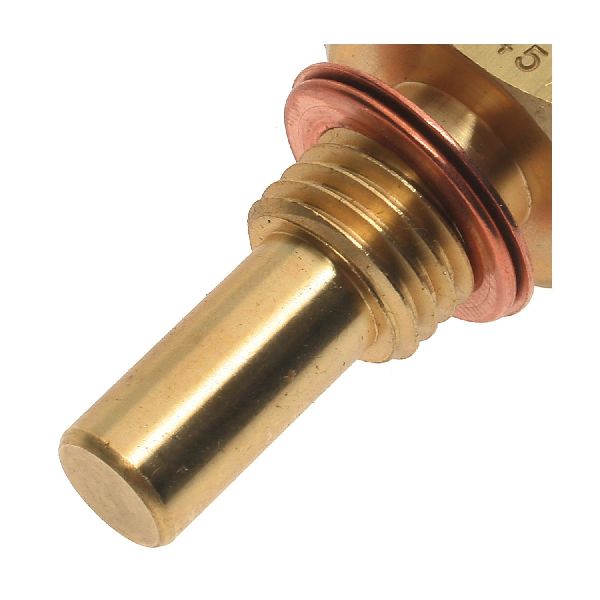
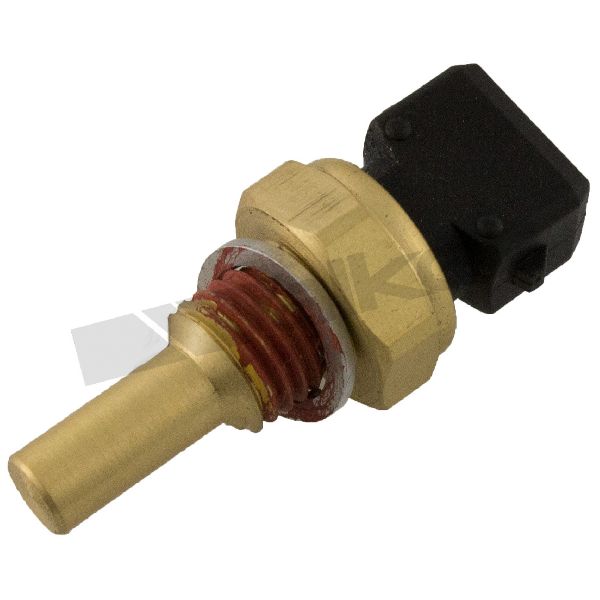
This vehicle uses two separate sensors. The DME sensor is typically a 2-pin sensor (blue or black connector) that sends data to the engine computer. The gauge sensor is a 1-pin sensor (brown connector) that sends a signal to the instrument cluster temperature gauge.
We Have This Part in Stock


The information in this article is provided for general reference and educational purposes only. Vehicle specifications, procedures, and part compatibility can vary by production date, trim level, and region. Always consult your vehicle's factory service manual and verify part numbers before purchasing or performing repairs. Safety-critical components such as airbags, seat belts, and braking systems should be installed by a qualified professional.
- BMW 325i: