

Chevrolet P30 Distributor Ignition Pickup Guide: 1987-1997
Solving stalling and no-start problems in your 1987-1997 P30 starts with a reliable ignition pickup.
- A failing ignition pickup is a primary cause of 'crank, no start' or sudden stalling issues on the 1987-1997 P30.
- Due to high engine heat, it is highly recommended to replace the ignition control module at the same time as the pickup coil.
- Replacement is a moderately difficult job that often requires removing the distributor and checking ignition timing.
- Choose a quality aftermarket brand like Delphi or Standard Ignition for reliability in this critical part.
Is Your P30 Cranking But Not Starting?
A common and frustrating issue for 1987-1997 Chevrolet P30 owners is an engine that cranks over but refuses to start. Another classic symptom is an engine that runs fine but then suddenly stalls, sometimes only after it gets hot, and may not restart until it cools down. Both of these problems often point to a failure in the ignition system, and a bad distributor ignition pickup is a frequent culprit. This component is essential for creating spark, and when it fails, it can leave you stranded.
Symptoms of a Failing Ignition Pickup
The signs of a bad pickup coil are usually clear and severe. Because this part acts as the trigger for the spark, a failure will directly impact the engine's ability to run.
- Crank But No Start: This is the most definitive symptom. The engine turns over, but there is no spark at the plugs, so it will never start.
- Engine Stalling: The engine may suddenly shut off as if you turned the key. This often happens intermittently and can be related to engine heat, which causes the failing electronics inside the coil to stop working.
- Engine Misfires or Rough Running: Before it fails completely, a weak or erratic signal from the pickup coil can cause the engine to sputter, shake, or run unevenly.
- No Injector Pulse (TBI Models): The signal from the ignition system is also used by the engine computer (ECM) to time the fuel injectors. A bad pickup coil can result in no signal, leading to both no spark and no fuel injection pulse.
Heat is the Enemy
Many ignition pickup failures are heat-related. The part may work when the engine is cold but fail as the engine bay heats up, leading to stalling. After a cool-down period, it might work again. This intermittent problem will eventually lead to a complete failure.
Choosing the Right Aftermarket Ignition Pickup
For a vehicle like the P30, which is often a motorhome or work truck, ignition reliability is crucial. While original GM parts are scarce, reputable aftermarket brands offer quality replacements. The two main brands available are Delphi and Standard Motor Products (Standard Ignition).
- Delphi: Delphi is a well-known OE (Original Equipment) supplier for GM and is widely regarded as a top-tier choice for ignition components. Choosing Delphi provides confidence that the part meets or exceeds original factory specifications for performance and durability.
- Standard Ignition (SMP): Standard is another trusted aftermarket brand with a long history of producing reliable ignition parts. For best results, it is generally recommended to choose their primary product line over their budget-friendly "T-Series" for a critical part like this.
Pro Tip: The ignition pickup works directly with the ignition control module. These two parts live in the same harsh, high-heat environment inside the distributor. It is a common and highly recommended practice to replace the ignition control module at the same time as the pickup coil. The failure of one can often damage the other.
Distributor Ignition Pickup Replacement Cost for 1987-1997 Chevrolet P30
The cost to replace the ignition pickup involves the part itself and the labor to install it. The installation is moderately difficult as it requires removing the distributor and partially disassembling it.
| Part Type | Estimated Cost |
|---|---|
| New Aftermarket (Delphi, Standard Ignition) | $28.95 - $57.39 |
| Shop Labor | $180 - $350 |
| Total Estimated Cost | $210 - $410 |
Frequently Asked Questions (FAQ)
Can I replace the distributor ignition pickup myself?
This is a DIY-feasible job for someone with moderate mechanical experience. It requires removing the distributor cap and rotor, and often the entire distributor assembly must be taken out of the engine. The distributor gear must be removed by driving out a small pin, which can be challenging. After reassembly, you may need to check and set the ignition timing with a timing light.
Are there any recalls for the P30 ignition pickup?
No. Searches of the NHTSA database show no recalls for the distributor ignition pickup on the 1987-1997 Chevrolet P30. The well-known GM ignition recalls of the 2010s were for key-operated ignition switches in much newer passenger cars and do not apply to this part or vehicle.
Should I replace the whole distributor?
If your distributor shaft has excessive play, the housing is cracked, or other internal components are heavily worn, replacing the entire distributor assembly might be a better long-term repair. However, if the rest of the distributor is in good condition, replacing just the failed pickup coil and ignition module is a cost-effective solution.
What's a common mistake when replacing the pickup coil?
The biggest mistakes are not marking the position of the distributor and rotor before removal, and re-installing the distributor gear 180 degrees off. Both mistakes will prevent the engine from starting. It is also critical to replace the small seal or o-ring on the distributor housing to prevent oil leaks.
Technical Specifications
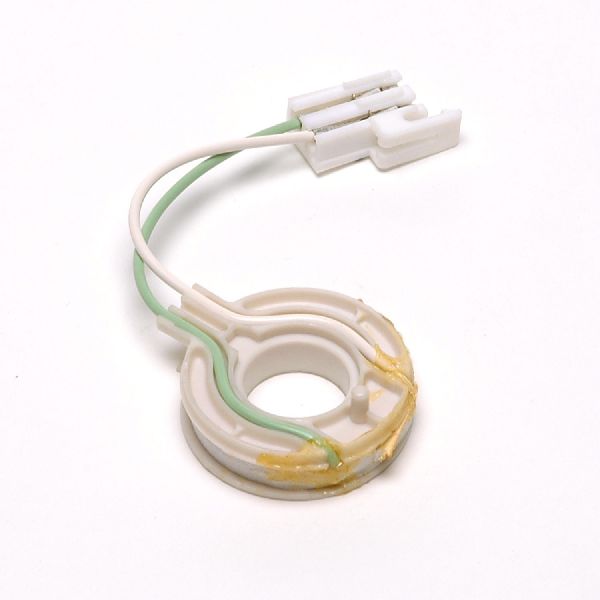
The Distributor Ignition Pickup, or pickup coil, is located inside the distributor assembly. It works in conjunction with a reluctor on the distributor shaft to generate an AC voltage signal for the ignition control module. The part consists of a small coil of wire and a magnet, housed in a plastic casing.
We Have This Part in Stock


The information in this article is provided for general reference and educational purposes only. Vehicle specifications, procedures, and part compatibility can vary by production date, trim level, and region. Always consult your vehicle's factory service manual and verify part numbers before purchasing or performing repairs. Safety-critical components such as airbags, seat belts, and braking systems should be installed by a qualified professional.
- Chevrolet P30: