

GMC P3500 Distributor Ignition Pickup Guide for 1987-1997 Models
Solving stalling and no-start problems in your 1987-1997 GMC P3500 workhorse.
- The most common symptom of failure is the engine stalling when hot and only restarting after it cools down.
- Replacement is a moderately difficult job because the entire distributor must be removed from the engine and disassembled.
- A timing light is required to correctly set the engine timing after the distributor is re-installed.
- For a work vehicle like the P3500, using a quality aftermarket brand like Delphi or Standard Ignition is crucial for a reliable, long-lasting repair.
Is Your P3500 Stalling When Hot? It Could Be the Pickup Coil.
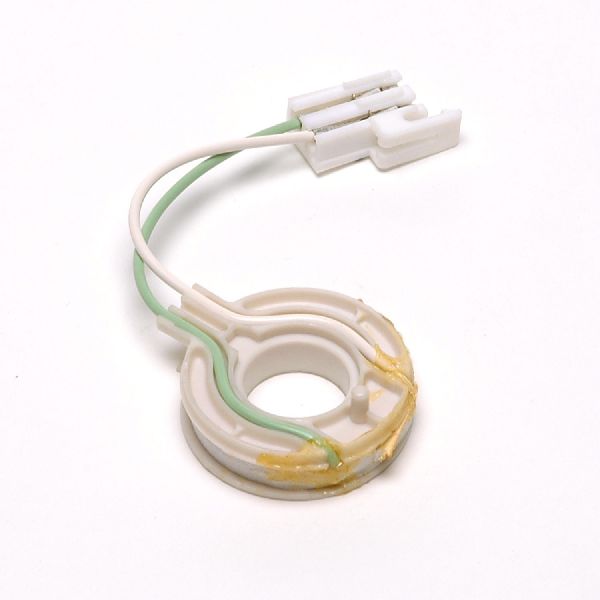
One of the most common and frustrating issues with the 1987-1995 GM TBI ignition system is an engine that starts and runs fine when cold, but then stalls unexpectedly after warming up. The truck may refuse to restart until it has cooled down for 20-30 minutes. This classic heat-related failure is often caused by the fine wire windings inside the ignition pickup coil breaking down. When the part gets hot from engine heat, the electrical connection is lost, cutting the signal to the ignition module and killing the spark. Once it cools, the connection is sometimes restored, and the truck starts again until the cycle repeats.
Symptoms of a Failing Distributor Pickup Coil
- Engine Stalls When Hot: The most telling symptom. The engine dies for no reason after reaching operating temperature and may only restart after cooling off.
- No-Start Condition: The engine will crank over with the starter, but it will never fire up. This happens when the pickup coil has failed completely, resulting in a total loss of spark.
- Engine Misfires or Rough Idle: An intermittent signal from a failing pickup coil can cause the engine to run poorly, shake, or hesitate.
- No Spark: If you test for spark at the spark plugs or from the main ignition coil wire and find nothing, the pickup coil is a primary suspect, along with the ignition control module and the ignition coil itself.
A Note on 1996-1997 Vortec Engines
This guide focuses on the pickup coil found in the TBI-style distributors used from roughly 1987 to 1995. The 1996 and later models with Vortec engines use a different distributor design that contains a Camshaft Position Sensor (CPS) instead of a pickup coil. While some symptoms can be similar, the part and repair process are different.
Choosing the Right Aftermarket Pickup Coil
For a work vehicle like the P3500, reliability is everything. Being stranded because of a cheap part is not an option. While original OEM parts are no longer available new from GM for this component, quality aftermarket brands provide a dependable solution.
- Premium Aftermarket (Delphi, Standard Ignition): Brands like Delphi and Standard Ignition are well-regarded in the industry. Delphi was an original equipment manufacturer for GM for many years, and their parts are engineered to meet or exceed OE standards. Standard Motor Products (the parent of Standard Ignition) is a trusted aftermarket leader. Choosing a part from these brands is a smart investment in reliability for your truck.
- Budget/Store Brands: While less expensive, the quality and durability of budget-level parts can be inconsistent. Given that replacing the pickup coil is a labor-intensive job that requires removing and disassembling the distributor, it's wise to avoid having to do the job twice by using a lower-quality part that might fail prematurely.
Pro Tip: While the distributor is disassembled to replace the pickup coil, it is highly recommended to also replace the ignition control module (ICM). The ICM and pickup coil live in the same harsh, high-heat environment, and the failure of one can often precede the failure of the other. Replacing both at the same time saves you from having to do the job again soon.
Distributor Pickup Coil Replacement Cost
The cost to replace the ignition pickup coil includes the part itself and the shop labor, which is significant because the distributor must be removed and disassembled.
| Item | Estimated Cost |
|---|---|
| New Aftermarket Pickup Coil | $28.95 - $57.39 |
| Shop Labor | $180 - $300 |
| Total Estimated Cost | $209 - $358 |
Cost estimates are approximate and can vary based on your location and the specific repair shop. Labor assumes 1.5-2.5 hours of work.
Frequently Asked Questions
Where is the ignition pickup coil located?
The pickup coil is located inside the distributor. To access it, you must remove the distributor cap and rotor, and then remove the entire distributor from the engine for disassembly on a workbench.
Can I replace the ignition pickup coil myself?
This is a moderately difficult DIY job. It requires removing the distributor, taking it apart with tools like a punch to remove the gear roll pin, and then correctly re-installing and timing the engine. You MUST use a timing light to set the ignition timing after re-installing the distributor. If you are not comfortable with setting engine timing, this job is best left to a professional mechanic.
Do I need a timing light to complete this job?
Yes, for the 1987-1995 TBI engines, a timing light is absolutely required. After the distributor is re-installed, you must disconnect the electronic spark control wire (a tan wire with a black stripe) and use the timing light to set the base timing according to the sticker in your engine bay. Failure to do this will result in poor performance, bad fuel economy, and potential engine damage.
Are there any recalls for the ignition pickup coil on my P3500?
No. A search of the National Highway Traffic Safety Administration (NHTSA) database shows no recalls for the distributor, ignition pickup coil, or ignition control module on the 1987-1997 GMC P3500.
Technical Specifications
This part is specific to the HEI (High Energy Ignition) distributors with an internal ignition control module, commonly found on 1987-1995 GM TBI engines. It is not compatible with 1996-1997 Vortec engine distributors, which use a camshaft position sensor.
We Have This Part in Stock


The information in this article is provided for general reference and educational purposes only. Vehicle specifications, procedures, and part compatibility can vary by production date, trim level, and region. Always consult your vehicle's factory service manual and verify part numbers before purchasing or performing repairs. Safety-critical components such as airbags, seat belts, and braking systems should be installed by a qualified professional.
- GMC P3500: