

Ford F-250 (1987-1998) Radius Arm Bushing Replacement Guide
Clunking, wandering, or sloppy steering on your F-250? Your radius arm bushings are a likely culprit.
- Worn radius arm bushings are a top cause of clunking noises and wandering steering on 1987-1998 F-250s.
- You must choose between soft rubber for a quiet ride (Delphi, Dorman) or hard polyurethane for durability and sharper handling (Energy Suspension, Prothane).
- Polyurethane bushings can create a stiffer ride and may squeak if not installed with the proper grease.
- A wheel alignment is necessary after replacement to prevent tire wear and ensure proper handling.
Is Your F-250's Front End Making Noise?
Worn radius arm bushings are a very common issue on the 1987-1998 Ford F-250. Because these trucks use a robust but older suspension design, these bushings take a lot of abuse. When they wear out, the metal radius arm can move and knock against its metal frame bracket, causing a variety of symptoms that make the truck feel loose and unsafe.
Symptoms of Bad Radius Arm Bushings
If your bushings are failing, you'll likely notice one or more of these signs:
- Clunking or Popping Noises: This is the most common symptom. You might hear a clunk or pop from the front end when going over bumps, braking, or even shifting from Drive to Reverse. 🎬 Watch: Hear what a failing radius arm bushing sounds like.
- Wandering Steering: The truck may feel like it's 'wandering' or drifting in the lane, requiring constant steering corrections to drive straight. This is a feeling that a typical wheel alignment can't fix.
- Vibrations: You may feel vibrations through the steering wheel or floor, especially on rough roads.
- Uneven Tire Wear: Worn bushings can affect your alignment, leading to tires wearing unevenly or 'cupping'.
- Loose Steering Feel: The steering may feel less responsive or sloppy, particularly when turning.
Pro Tip: You can visually inspect the bushings. Look for cracked, crumbling, or missing pieces of rubber where the radius arm meets the frame. You can also have a helper rock the steering wheel while you watch the bushing for excessive movement.
Choosing the Right Aftermarket Bushing: Rubber vs. Polyurethane
When buying new aftermarket bushings, your main choice is the material. This decision impacts ride quality and durability.
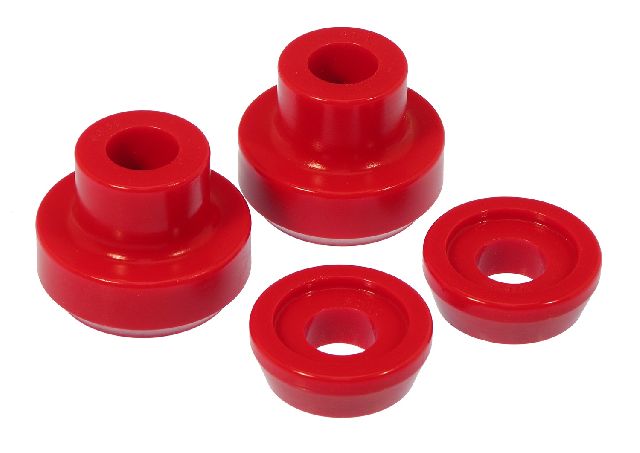
Tier 1: Performance Polyurethane (Energy Suspension, Prothane)
Polyurethane (often called 'poly') is a hard plastic that offers a significant performance upgrade over the original rubber. Brands like Energy Suspension and Prothane are leaders in this category.
- Pros: Much more durable than rubber. The stiffer material improves steering response and reduces the 'wandering' feeling.
- Cons: The ride will be noticeably firmer and you may feel more road vibration. They can also squeak if not lubricated properly with the special grease they come with during installation. Some users feel Prothane is slightly stiffer than Energy Suspension.
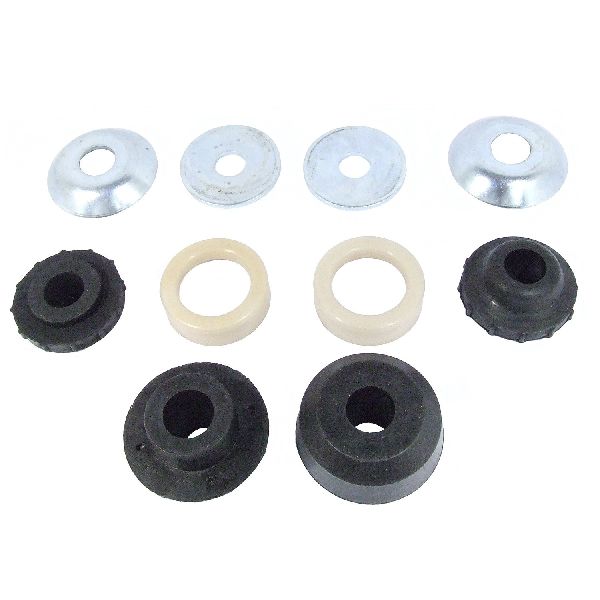
Tier 2: OEM-Style Rubber (Delphi, Dorman)
If you want to restore the original factory ride, a quality rubber bushing is the way to go. Brands like Delphi and Dorman are known for making reliable, OE-style replacement parts.
- Pros: Provides a comfortable, quiet ride by absorbing noise and vibration effectively, just like the original part.
- Cons: Rubber will eventually wear out, crack, and fail again, especially under heavy use or with a suspension lift.
Tier 3: Budget Brands (Replacement)
These are generic, unbranded parts that compete on price. While tempting, the quality can be inconsistent. For a critical suspension part like this, it's generally better to stick with a reputable brand from Tier 1 or Tier 2.
🎬 See this walkthrough for replacing bushings on late 90s Fords.Lifted Trucks: If your F-250 has a suspension lift, the angle on the radius arms is increased. This puts extra stress on the bushings and can cause them to wear out faster. Polyurethane bushings are often a better choice for lifted applications due to their durability.
Cost of Replacement
The parts themselves are inexpensive. The cost comes from the labor to install them. A professional shop will likely charge for 2-4 hours of labor.
| Item | Estimated Cost |
|---|---|
| Aftermarket Bushing Kit | $15 - $47 |
| Shop Labor | $250 - $500 |
| Total Estimated Cost | $265 - $547 |
Frequently Asked Questions (FAQ)
Do I need a wheel alignment after replacing radius arm bushings?
Yes. Replacing the radius arm bushings will change your front-end geometry. A full wheel alignment is highly recommended to ensure proper handling and prevent premature tire wear.
Can I replace just one side?
It is strongly recommended to replace both the driver and passenger side bushings at the same time. If one has failed, the other is likely not far behind. Replacing them in pairs ensures balanced handling.
Are there any recalls for the radius arm bushings on my truck?
No, searches of the National Highway Traffic Safety Administration (NHTSA) database did not find any recalls specifically for the radius arm bushings on the 1987-1998 Ford F-250.
Is this a difficult DIY job?
This job is considered moderately difficult for a DIY mechanic. The biggest challenge is often breaking loose the large radius arm nut, which can be seized with rust after decades of use. A powerful impact wrench and penetrating oil are highly recommended. The job requires safely lifting and supporting the vehicle on jack stands.
🎬 Watch: A step-by-step guide to replacing the bushings and brackets.Helpful Videos
Technical Specifications
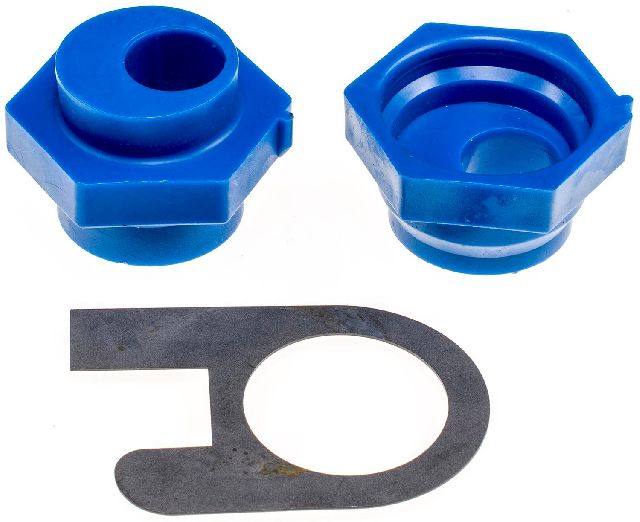
Fits 1987-1998 Ford F-250 with Twin I-Beam (2WD) or Twin Traction Beam (4WD) front suspension. Available in OEM-style rubber or performance polyurethane.
We Have This Part in Stock


The information in this article is provided for general reference and educational purposes only. Vehicle specifications, procedures, and part compatibility can vary by production date, trim level, and region. Always consult your vehicle's factory service manual and verify part numbers before purchasing or performing repairs. Safety-critical components such as airbags, seat belts, and braking systems should be installed by a qualified professional.
- Ford F-250:
- 🎬 Helpful Videos
- 🛍️ Shop This Part
- Is Your F-250's Front End Making Noise?
- Symptoms of Bad Radius Arm Bushings
- Choosing the Right Aftermarket Bushing: Rubber vs. Polyurethane
- Tier 1: Performance Polyurethane (Energy Suspension, Prothane)
- Tier 2: OEM-Style Rubber (Delphi, Dorman)
- Tier 3: Budget Brands (Replacement)
- Cost of Replacement
- Frequently Asked Questions (FAQ)
- 🎟️ Get 5% Off