

1987-1998 Lincoln Continental Engine Coolant Bypass Hose: A Complete Guide
This small hose is critical for your Continental's engine health; ignoring it can lead to major problems.
- Verify your engine (3.8L V6 or 4.6L V8) before ordering, as the parts are different for each generation.
- A failing bypass hose can cause catastrophic engine damage from overheating; replace it at the first sign of a leak or damage.
- When replacing, always install new hose clamps and carefully compare the new hose's shape to the old one to ensure a proper fit.
- For 4.6L V8 models, you must properly bleed the cooling system after replacement to avoid air pockets and overheating.
A Critical Note on Vehicle Year and Engine
The 1987-1998 Lincoln Continental was built across three distinct platforms, each with a different engine. It is absolutely critical to identify your specific engine before ordering a coolant bypass hose, as the parts are not interchangeable.
- 1987 Models: These cars have a rear-wheel-drive (RWD) chassis with a 5.0L V8 engine.
- 1988-1994 Models: These cars are front-wheel-drive (FWD) and use a 3.8L V6 engine.
- 1995-1998 Models: These cars are also front-wheel-drive (FWD) but are equipped with a 4.6L V8 engine.
Pro Tip: Double-check your vehicle's manufacturing year and engine size. The wrong hose will not fit.
Symptoms of a Failing Bypass Hose
A bad coolant bypass hose will show clear signs of failure. Ignoring them can lead to severe engine damage from overheating.
- Coolant Leaks: This is the most common symptom. You may find puddles of green or orange fluid under your car, or notice a crusty residue on or around the hose.
- Sweet Smell: Leaking coolant often produces a distinct sweet, syrupy smell from the engine bay as it burns off on hot surfaces.
- Engine Overheating: If the hose collapses internally or leaks significantly, it will restrict coolant flow, causing your engine's temperature gauge to climb into the red.
- Visible Hose Damage: Inspect the hose (when the engine is cool). Look for cracks, swelling, bulging, or sections that feel overly soft, spongy, or hard and brittle. Any of these signs mean the hose is failing and should be replaced immediately.
Choosing the Right Aftermarket Part
For a vehicle of this age, original equipment (OEM) hoses from Ford or Motorcraft are often discontinued or hard to find. Aftermarket brands offer a reliable and accessible alternative. The most common brands available are Gates, Dayco, and Continental.
Brand Quality Comparison
| Brand | General Reputation & Notes |
|---|---|
| Gates | Often viewed as a top-tier aftermarket brand. Many professional mechanics and DIYers trust Gates for good fitment and durability. They often engineer their hoses to resist electrochemical degradation, a common cause of internal hose failure. |
| Dayco | A solid, well-known brand that is widely available. While many have success with Dayco, some users have reported occasional issues with the shape and fit of their molded hoses not perfectly matching the original part. |
| Continental | Another reputable manufacturer of rubber components. Like Dayco, it is generally considered a reliable choice, though as with any brand, occasional fitment problems on specific applications have been noted by users. |
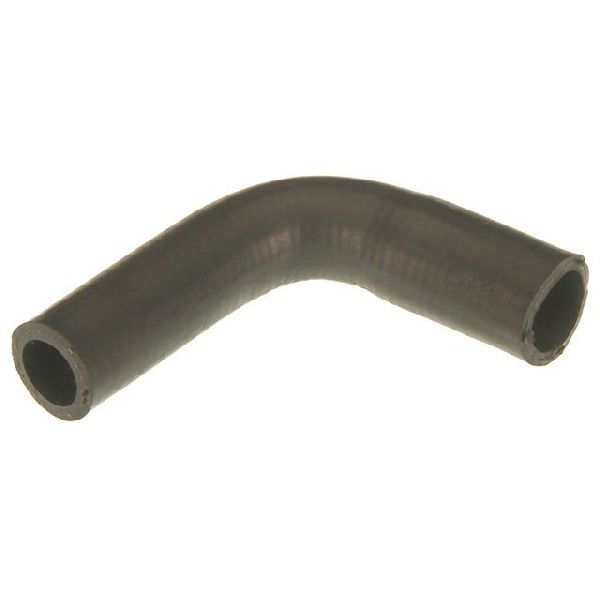
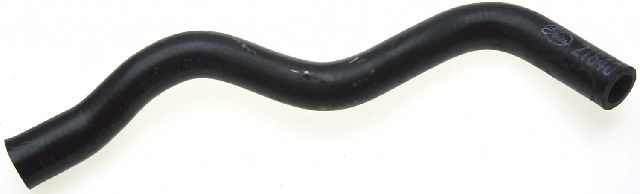
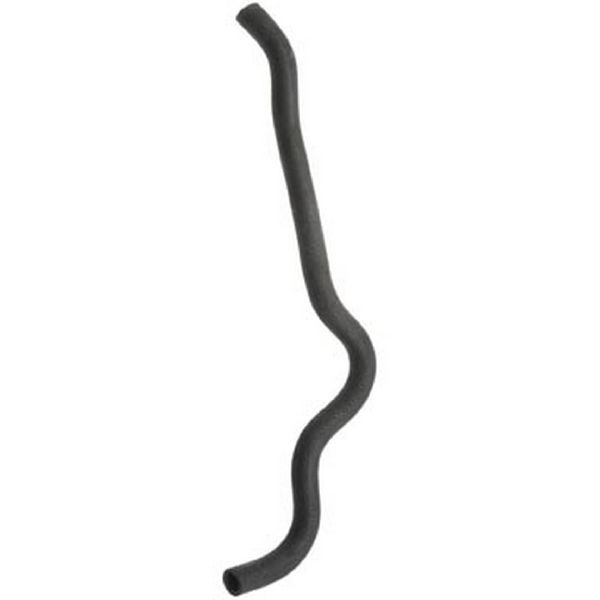
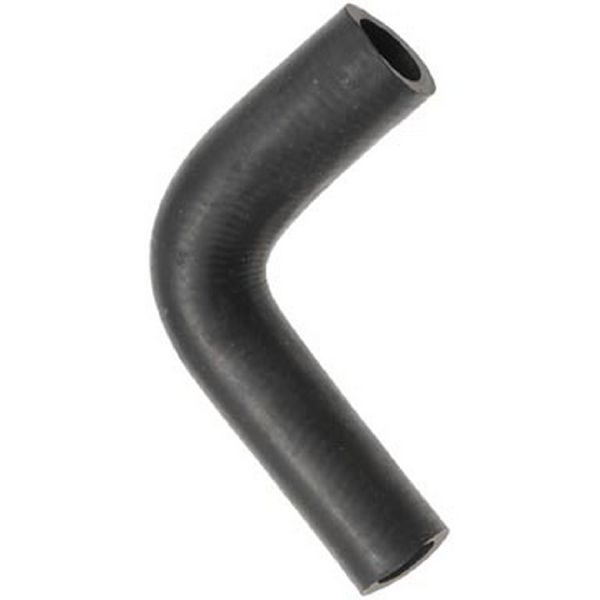
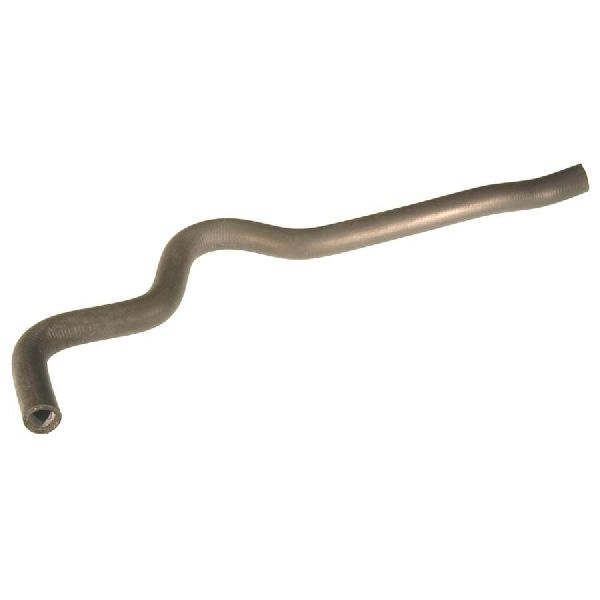
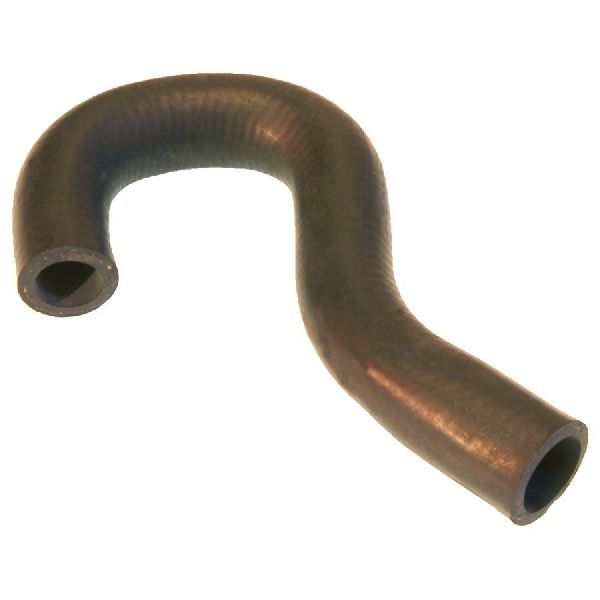
Pro Tip: Regardless of the brand you choose, compare the new hose to the old one before installation. Make sure all the bends and angles match up. A poorly fitting hose can kink or rub against other components, leading to premature failure.
Known Issues & Recalls
Searches of the National Highway Traffic Safety Administration (NHTSA) database did not find any specific recalls or Technical Service Bulletins (TSBs) for the engine coolant bypass hose on the 1987-1998 Lincoln Continental. Failures are almost always due to the age and degradation of the rubber.
Frequently Asked Questions (FAQ)
Can I replace the engine coolant bypass hose myself?
Yes, this is a DIY-feasible job for someone with basic mechanical skills and tools. The main steps involve draining the coolant, accessing the hose (which may be in a tight spot), removing the old clamps and hose, installing the new one, and then refilling and bleeding the cooling system. For the 4.6L V8, properly bleeding the air out of the system is a critical step that can be tricky.
How do I make sure I buy the right hose for my Continental?
First, confirm your engine: 5.0L V8 (1987), 3.8L V6 (1988-1994), or 4.6L V8 (1995-1998). Use your vehicle's specific information when searching for the part. If possible, visually inspect the existing hose on your car and compare its shape to product photos online before ordering.
Should I replace the hose clamps too?
Yes. It is highly recommended to replace the hose clamps whenever you replace a coolant hose. Old clamps can lose their tension, leading to leaks even with a new hose. Spring-style clamps are often preferred over worm-gear clamps as they provide constant tension as the hose material expands and contracts.
What is the most important thing to know about this repair?
For the 1995-1998 4.6L V8 models, the cooling system has a specific bleeding procedure to remove trapped air. Filling only the reservoir will cause the engine to overheat. You must fill the system through the crossover tube located above the alternator and follow the correct procedure to burp all air pockets. Failure to do so will result in overheating.
Technical Specifications
This part is specific to engine type. The 1988-1994 models use a 3.8L V6. The 1995-1998 models use a 4.6L V8. The 1987 model uses a 5.0L V8. Ensure you are purchasing the correct hose for your specific engine.
We Have This Part in Stock

The information in this article is provided for general reference and educational purposes only. Vehicle specifications, procedures, and part compatibility can vary by production date, trim level, and region. Always consult your vehicle's factory service manual and verify part numbers before purchasing or performing repairs. Safety-critical components such as airbags, seat belts, and braking systems should be installed by a qualified professional.
- Lincoln Continental: