

Choosing the Right Disc Brake Rotor for Your 1987-1998 Saab 900
Don't get the wrong part—learn the critical differences between Classic 900 and NG900 brake rotors.
- First, confirm if you have a 'Classic' (1987-1994) or 'New Generation' (1994-1998) 900, as parts are not interchangeable.
- For Classic 900s, verify if your car is a pre-1988 model with a front handbrake or a later model with a rear handbrake.
- Always replace rotors in pairs (both front or both rear) and install new brake pads at the same time for safety and performance.
- Choosing a quality coated rotor from a brand like ATE, Zimmermann, or Bosch can prevent rust and ensure proper fit.
Is Your Saab a 'Classic' or 'New Generation'?
This is the most important step. The 1987-1998 year range covers two completely different Saab 900 models. Their brake parts are not interchangeable. Ordering the wrong rotor is the most common mistake.
- Classic 900 (c900): Made from 1987 to 1993 (and 1994 for convertibles). These have a boxy, upright windshield and a clamshell hood.
- New Generation 900 (NG900): Made from 1994 to 1998. These are based on a GM platform and have a more rounded, modern body with a sloping windshield.
Brake Systems on the Classic 900 (1987-1994)
Even within the Classic 900, brakes are not all the same. A major change happened in 1987-1988.
- 1987 Models: Some early 1987 models may still have the older system where the parking brake works on the front wheels. Always verify your car's specific setup.
- 1988-1994 Models: For the 1988 model year, Saab updated the hubs and brakes, moving the parking brake to the rear wheels. This is a more common and conventional setup. The front and rear rotors for these later cars are different from the earlier versions.
Pro Tip: When ordering for a Classic 900, pay close attention to the model year and whether your car is a Turbo or not, as this can affect which rotors you need. Some aftermarket rear rotors have been reported to have machining issues, causing them to not sit flat on the hub. Choosing a quality brand is essential.
Brake Systems on the New Generation 900 (1994-1998)
The NG900 uses a completely different brake system derived from its GM platform.
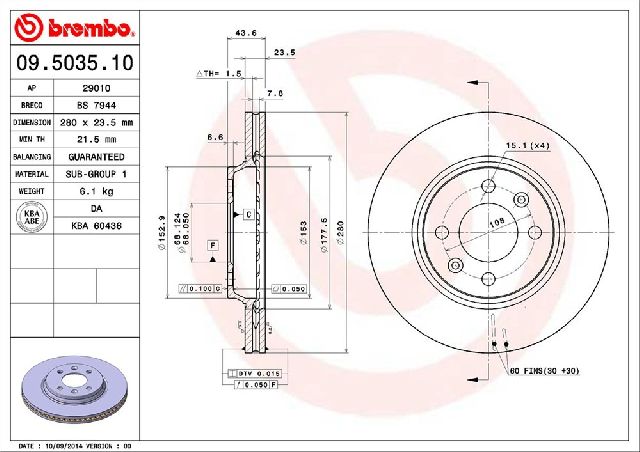
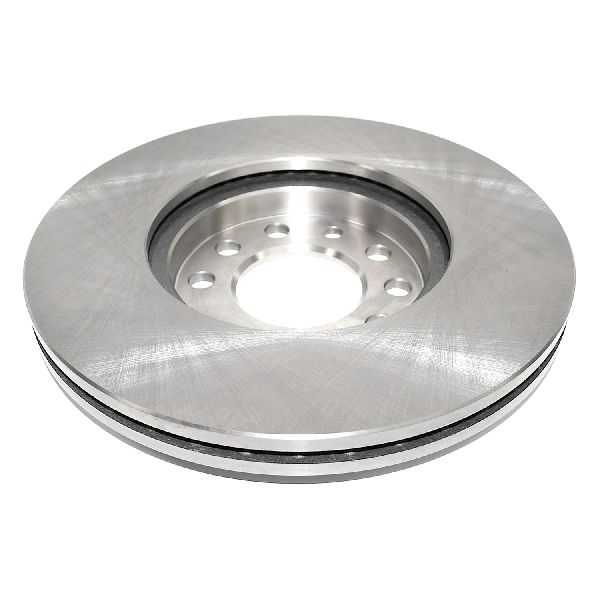
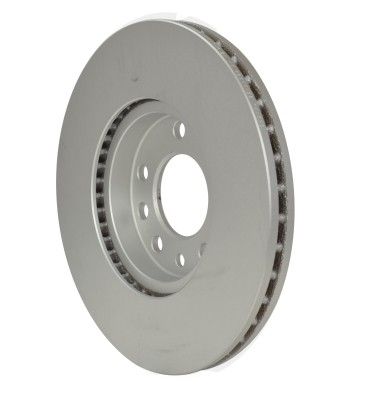
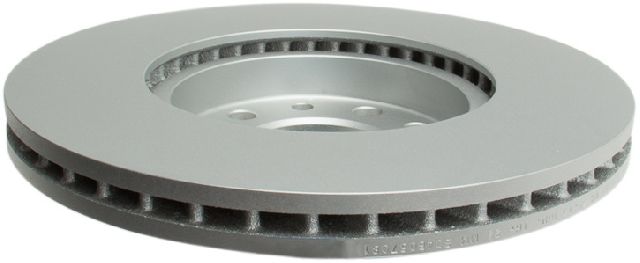
- Front Rotors: These are a standard vented disc design.
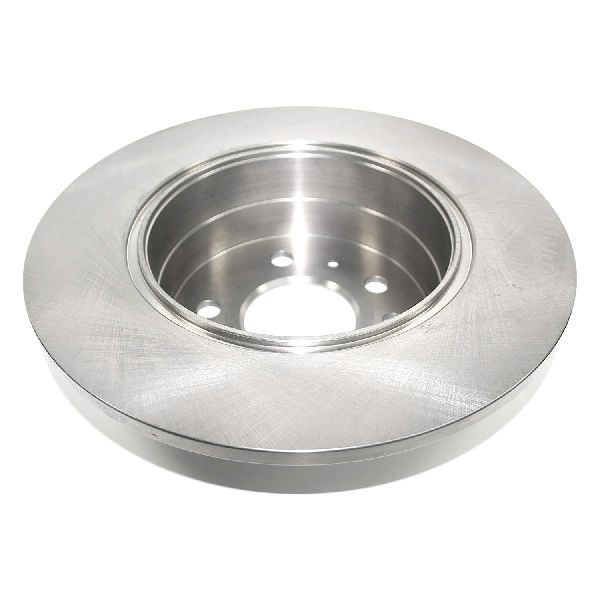
- Rear Rotors: The rear rotors on an NG900 have a special design. They look like a regular rotor but have a small brake drum built into the center section (the "hat"). This is for the parking brake, which uses a set of small brake shoes inside the rotor. Adjusting this system can be tricky.
- Mid-Generation Update: Some sources indicate that brakes on 1994-1996 models may be smaller than those on later 1997-1998 models. Double-check fitment information when ordering.
Choosing the Right Aftermarket Rotor Brand
You don't need to hunt down expensive original Saab parts. Many aftermarket brands offer excellent quality, often with improvements like better rust protection.
| Brand Tier | Brands | Best For |
|---|---|---|
| Premium / OEM-Equivalent | ATE, Brembo, Zimmermann | Owners who want the best possible fit, performance, and longevity. These brands are often original equipment suppliers to German and Swedish automakers. ATE and Zimmermann are well-regarded for their anti-corrosion coatings. |
| Quality Daily Driver | Bosch, Centric, Raybestos | The best balance of price and quality for most drivers. These brands provide reliable, quiet performance for everyday use. Bosch QuietCast rotors are known for being well-balanced and coated for corrosion resistance. |
| Economy | Dynamic Friction, Pronto, Powerstop, Store Brands | Budget-focused repairs. These will get the job done, but may not have the same level of corrosion protection or precise manufacturing as premium brands. Reviews for some economy brands can be mixed, with occasional reports of noise or premature warping. |
Frequently Asked Questions (FAQ)
Do I have to replace my rotors with my brake pads?
It is highly recommended. Installing new pads on old, worn rotors can cause noise, poor braking, and will wear out the new pads much faster. If your current rotors have a noticeable lip on the edge, deep grooves, or cause a vibration when you brake, they must be replaced.
Why is the parking brake on my Classic 900 so weird?
Early Saabs, up to 1987, used a unique design that applied the parking brake to the front wheels using the main brake calipers. This system was abandoned in 1988 for a more conventional rear parking brake. If you have an early model, it's critical to be aware of this.
What is a "drum-in-hat" rotor on my NG900?
This refers to the rear rotors. The main outer surface is for normal braking with the brake pads. The inside of the central hub, or "hat," is shaped like a small drum. A separate set of brake shoes expands inside this drum when you pull the parking brake handle.
What does "bedding in" new brakes mean?
Bedding-in is the process of performing a series of controlled stops after installing new pads and rotors. This transfers an even layer of friction material from the pad to the rotor surface. It ensures quiet, smooth, and powerful braking for the life of the components. Always follow the procedure recommended by the parts manufacturer.
Technical Specifications
Brake rotors for the Saab 900 vary by generation, model year, and trim. Key specifications to verify are: Generation (Classic vs. NG900), Axle (Front or Rear), Rotor Type (Vented or Solid), and Diameter. The parking brake design is also critical: Classic models changed from front-acting to rear-acting around 1988, and NG900 models use a rear drum-in-hat system. Due to the many variations, always use your vehicle's specific information to confirm part numbers before ordering.
We Have This Part in Stock

The information in this article is provided for general reference and educational purposes only. Vehicle specifications, procedures, and part compatibility can vary by production date, trim level, and region. Always consult your vehicle's factory service manual and verify part numbers before purchasing or performing repairs. Safety-critical components such as airbags, seat belts, and braking systems should be installed by a qualified professional.
- Saab 900: