

Engine Coolant Thermostat Guide for the 1987-1998 Toyota Corolla
Learn how to spot a failing thermostat in your Corolla and choose the right replacement part.
- Choose an Aisin or Genuine Toyota thermostat for the best reliability and fit.
- Always replace the rubber gasket and ensure the thermostat's 'jiggle valve' is at the 12 o'clock position upon installation.
- A stuck-open thermostat is not an emergency, but it should be fixed to restore fuel economy and heater function.
- A stuck-closed thermostat will cause rapid overheating; pull over immediately to prevent engine damage.
Is Your Toyota Corolla Thermostat Failing?
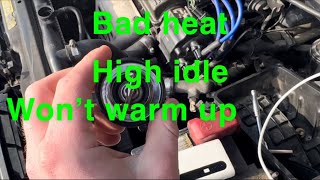
A thermostat is a simple part, but when it fails, it can cause noticeable problems. It can fail 🎬 Watch: How to quickly spot a broken thermostat in your Corolla. in two ways: stuck open or stuck closed. A stuck-closed thermostat is the most dangerous, as it will cause your engine to overheat quickly. A thermostat stuck open is more common and will prevent your engine from reaching its proper operating temperature, leading to poor fuel economy, a lack of cabin heat, and potentially a check engine light on 1996-1998 models.
Common Symptoms of a Bad Thermostat
- Overheating: If the thermostat is stuck closed, the temperature gauge will climb into the red. This is a critical issue that requires you to stop driving immediately to prevent severe engine damage.
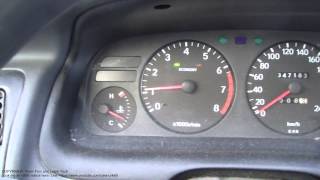
- Engine Runs Too Cool: A stuck-open thermostat will cause the temperature gauge to stay in the cold range, especially during highway driving. You may also notice that your heater doesn't blow hot air.
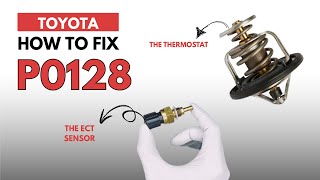
- Check Engine Light: On 1996-1998 Corollas, a thermostat that is stuck open can trigger the Powertrain Control Module (PCM) to log a P0128 trouble code. 🎬 See how to fix the P0128 engine error code using two methods.
- Poor Fuel Economy: An engine that runs too cool is not efficient and will use more fuel than normal.
Choosing the Right Aftermarket Thermostat
For a critical part like a thermostat, quality matters. While many brands are available, owner and mechanic feedback points to a clear hierarchy for the 1987-1998 Corolla.
Aftermarket Brand Quality Tiers
| Tier | Brands | Assessment |
|---|---|---|
| OEM & OEM-Equivalent | Toyota (Genuine), Aisin | Aisin is widely considered the original equipment manufacturer (OEM) for Toyota. Choosing either a Genuine Toyota part or an Aisin thermostat ensures a perfect fit and the highest reliability. This is the most recommended option. |
| High-Quality Aftermarket | Beck Arnley, Gates | Gates is a reputable name in cooling system parts. Beck Arnley is a re-packager that often sources parts from OEM suppliers, but this is not guaranteed. Both are generally solid choices if Aisin is not available. |
| Performance | Mishimoto | Mishimoto is a trusted performance brand. Their thermostats may open at different temperatures for performance applications, but for a daily-driven Corolla, it's best to stick to the OEM temperature. |
| Standard/Economy | Calorstat, Motorad | These brands are functional but some forum users report higher failure rates with budget options like Motorad. They can be a viable choice for a budget-conscious repair, but OEM-equivalent parts offer better long-term peace of mind. |
Pro Tip: Always replace the thermostat gasket or rubber seal when you replace the thermostat. Most quality thermostats come with a new one in the box. Re-using the old gasket can easily cause a coolant leak.
Known Issues, Recalls, or TSBs
There are no known recalls or Technical Service Bulletins (TSBs) from Toyota or the NHTSA specifically related to the engine coolant thermostat for the 1987-1998 Toyota Corolla.
DIY Replacement Guide
Replacing the thermostat on a 4A-FE or 7A-FE engine is a straightforward job for a DIYer with basic tools. The thermostat is located where the lower radiator hose connects to the engine. The job involves partially draining the coolant, removing two 10mm nuts from the thermostat housing, swapping the part, and then refilling and bleeding the system.
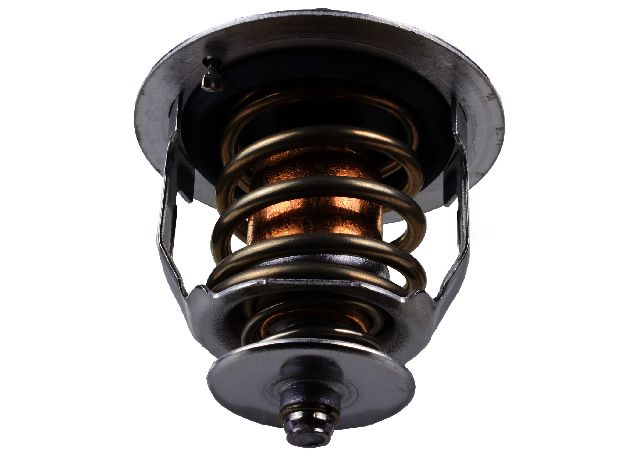
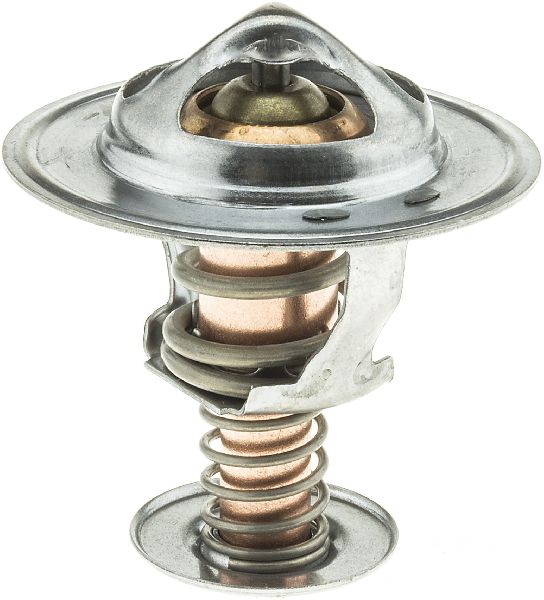
🎬 Follow this step-by-step thermostat replacement walkthrough for 1993-1997 models.Important Installation Note: The new thermostat must be installed with the small 'jiggle valve' or air bleed pin at the top (12 o'clock position). This allows trapped air to escape the system and is critical for proper function.
Frequently Asked Questions (FAQ)
What temperature thermostat should I use for my Corolla?
You should use a thermostat with the OEM-specified opening temperature, which is 82°C or 180°F for this generation of Corolla. Using a thermostat with a different temperature can cause performance issues or trigger a check engine light.
Do I have to drain all the coolant to change the thermostat?
No. You only need to drain enough coolant to bring the level below the thermostat housing. This usually means draining about half of the system's capacity from the radiator's drain plug (petcock).
My thermostat came with a rubber ring gasket. Does it need sealant?
No. If your thermostat uses a rubber O-ring style gasket, do not use any additional sealant. The rubber ring is designed to create the seal on its own. Just ensure the housing surfaces are clean and free of old gasket material or corrosion.
What is the 'jiggle valve' and why is its position important?
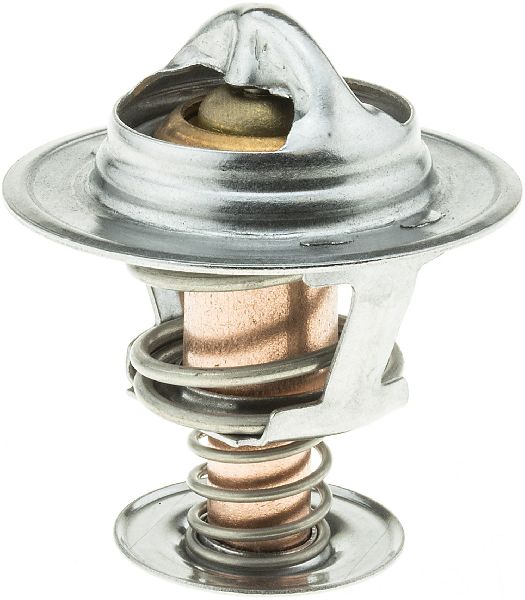
The jiggle valve is a tiny pin in a small hole on the thermostat's flange. It allows small amounts of air and coolant to bleed through when the thermostat is closed. This helps purge air from the cooling system when you refill it. It must be installed at the highest point (12 o'clock) to let air, which rises to the top, escape.
Helpful Videos

Technical Specifications
OEM Part Numbers: 90916-A3003 90916-03129 90916-03084 90916-03090
Standard Opening Temperature: 82°C (180°F)
We Have This Part in Stock


The information in this article is provided for general reference and educational purposes only. Vehicle specifications, procedures, and part compatibility can vary by production date, trim level, and region. Always consult your vehicle's factory service manual and verify part numbers before purchasing or performing repairs. Safety-critical components such as airbags, seat belts, and braking systems should be installed by a qualified professional.
- Toyota Corolla: