

GMC P3500 Engine Coolant Temperature Sensor Guide (1987-1999)
Learn to spot a failing coolant sensor in your P3500 and choose the right replacement part for your truck.
- A bad ECT sensor commonly causes poor fuel economy, black smoke, and Check Engine Light codes P0117 or P0118.
- 1994-1999 P3500s with the 6.5L diesel have two separate, non-interchangeable coolant sensors; one for the gauge and one for the computer.
- Replacement is a simple DIY task that takes less than an hour with basic tools.
- Premium aftermarket brands like Delphi and Standard Ignition (SMP) offer OEM-level quality and are excellent choices for this repair.
Is Your P3500's Engine Acting Up? It Could Be the Coolant Sensor.
The Engine Coolant Temperature (ECT) sensor is a simple part that plays a big role in how your 1987-1999 GMC P3500 runs. Whether you have a gas (5.7L or 7.4L) or diesel (6.2L or 6.5L) engine, this sensor tells the main computer how hot or cold the engine is. A bad sensor can feed the computer false information, leading to a host of problems from bad gas mileage to a no-start condition.
Symptoms of a Failing ECT Sensor
A bad coolant sensor can make your truck behave strangely. Here are the most common signs:
- Check Engine Light: This is often the first sign. The computer will store a fault code, most commonly P0117 (signal low) or P0118 (signal high).
- Poor Fuel Economy: If the sensor tells the computer the engine is always cold, the computer will enrich the fuel mixture, wasting gas.
- Black Smoke from Exhaust: A rich fuel mixture from a bad sensor signal can result in unburned fuel exiting the tailpipe as black smoke.
- Engine Overheating: If the sensor fails to report that the engine is getting too hot, it can't trigger the cooling fans (if equipped) or adjust performance to prevent damage.
- Erratic Temperature Gauge: The gauge on your dash might swing wildly, read completely cold on a hot engine, or vice-versa.
- Hard Starting: Especially when the engine is cold, a bad sensor can prevent the computer from creating the right fuel mixture for startup.
A Critical Note for 6.5L Diesel Owners
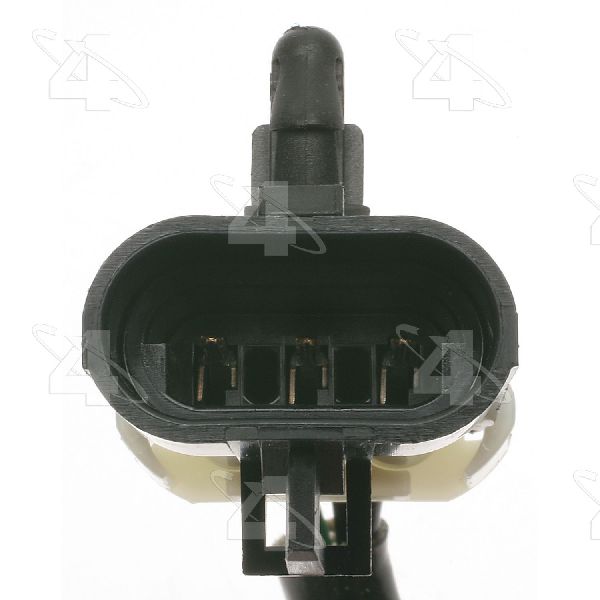
If you have a 1994-1999 P3500 with the 6.5L diesel, you have two separate coolant temperature sensors. One is on the driver's side cylinder head and controls your dashboard gauge. The other is on the coolant crossover pipe and sends its signal to the ECM for engine management. These two sensors are not interchangeable and have different electrical connectors. Be sure to diagnose which one is faulty before ordering a replacement.
Choosing the Right Aftermarket Sensor
For a vehicle like the 1987-1999 P3500, a high-quality aftermarket sensor is often just as reliable as an OEM part, and sometimes more readily available. The brands available can be grouped into tiers based on reputation and quality.
- Premium Aftermarket (OEM Quality): Brands like Delphi, Standard Ignition (SMP), and NGK/NTK are well-regarded. Delphi was a major OEM supplier for General Motors, so their parts are often identical to the original. Standard and NGK are known for producing reliable sensors that meet or exceed original specifications.
- Standard Aftermarket: Brands such as Beck Arnley, Four Seasons, Hella, Holstein, and Walker Products offer a good balance of price and quality. They are reliable replacements for a daily driver or work truck.
- Economy Brands: While budget-friendly, brands like True Tech may not have the same long-term durability or precise calibration as premium options. For a critical sensor like the ECT, spending a few extra dollars for a better-known brand is wise.
Pro Tip: When replacing the sensor, it's a good idea to replace the thermostat at the same time. They are often located near each other, and doing both at once can save you from a future repair. Also, apply a small amount of dielectric grease to the new sensor's electrical connector to protect against moisture.
Cost of Replacing the ECT Sensor
| Part Type | Estimated Cost |
|---|---|
| New Aftermarket | $12.58 - $153.12 |
| New OEM (GM/ACDelco) | $15 - $50 |
| Shop Labor | $60 - $120 |
Frequently Asked Questions
Where is the ECT sensor located on my P3500?
For gasoline engines (5.7L, 7.4L), the ECT sensor is typically screwed into the intake manifold near the thermostat housing. For 6.5L diesel engines, the sensor for the computer is on the coolant crossover pipe (1994+), while the sensor for the dash gauge is on the driver's side cylinder head.
Can I replace the ECT sensor myself?
Yes, this is a DIY-friendly job for most home mechanics. It requires basic tools, primarily a deep socket (often 19mm or 3/4") and a ratchet. The engine must be cool before you start, and you should expect a small amount of coolant to spill when you remove the old sensor.
Are there any recalls for the P3500 coolant sensor?
No. Searches of the NHTSA database did not find any recalls or technical service bulletins (TSBs) specifically for the engine coolant temperature sensor on the 1987-1999 GMC P3500.
Do I need to drain the coolant to change the sensor?
You do not need to drain the entire cooling system. However, since the sensor is below the coolant level, some fluid will leak out when it's removed. Having the new sensor ready to quickly screw into place will minimize the loss. You will need to top off the coolant afterward.
Technical Specifications
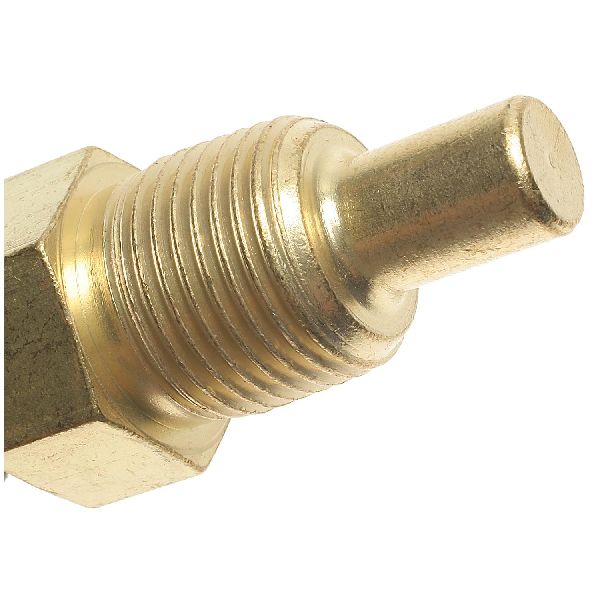
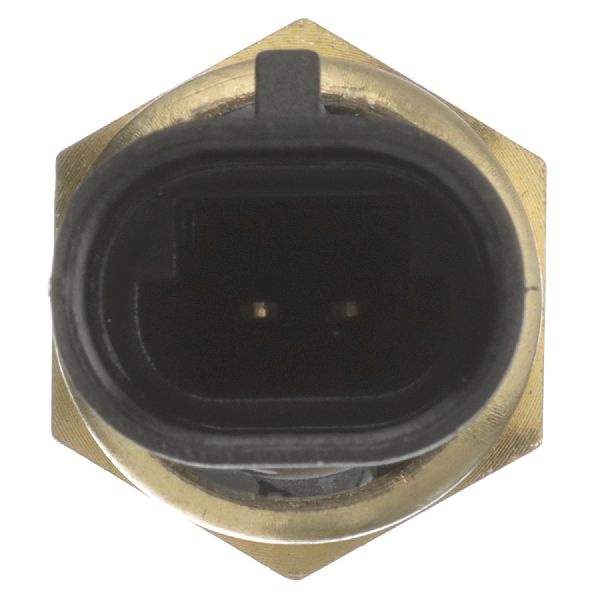
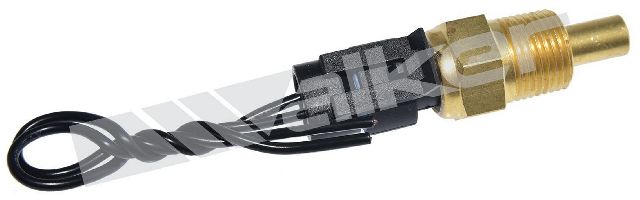
The sensor is a thermistor that changes resistance based on temperature. It is typically brass with a plastic two-pin electrical connector. The specific sensor and connector style varies by engine type (5.7L, 7.4L, 6.2L, 6.5L) and year. Always verify the part matches your specific engine.
We Have This Part in Stock


The information in this article is provided for general reference and educational purposes only. Vehicle specifications, procedures, and part compatibility can vary by production date, trim level, and region. Always consult your vehicle's factory service manual and verify part numbers before purchasing or performing repairs. Safety-critical components such as airbags, seat belts, and braking systems should be installed by a qualified professional.
- GMC P3500: