

Throttle Position Sensor Guide for the 1987-1999 GMC P3500
Address poor acceleration, rough idling, and stalling by understanding and replacing your P3500's throttle position sensor.
- Verify your engine (4.3L, 5.7L, 7.4L Gas, or 6.5L Diesel) before ordering, as the TPS parts are different.
- Replacement is a simple DIY task for most owners, requiring basic tools and less than an hour.
- Symptoms like stalling, hesitation, and erratic shifting are common indicators of a failing TPS.
- Choosing a quality brand like ACDelco, Delphi, or NGK is recommended for reliability, as the cost difference is often small.
Is Your Throttle Position Sensor Failing?
A bad throttle position sensor can cause a variety of drivability issues that can be frustrating and sometimes unsafe. Because the P3500 is a heavy-duty work vehicle, these symptoms can be very noticeable under load. Watch for these common signs:
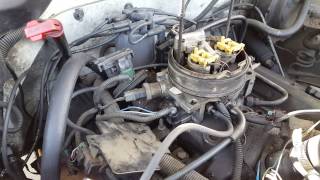
🎬 Watch: A breakdown of common throttle position sensor symptoms.- Hesitation or Stumbling on Acceleration: The truck may bog down or hesitate when you press the gas pedal.
- Rough or Unstable Idle: The engine might idle too high, too low, or surge up and down on its own.
- Engine Stalling: The engine may stall unexpectedly, especially when you let off the gas or come to a stop.
- Poor Fuel Economy: An incorrect signal from the TPS can cause the ECM to deliver too much fuel, hurting your gas mileage.
- Erratic Automatic Transmission Shifting: You might experience hard, delayed, or unpredictable gear shifts.
- Check Engine Light: A failing TPS will often trigger the Check Engine Light. Common trouble codes include P0120, P0121, P0122, and P0123.
Choosing the Right Aftermarket TPS
For a critical sensor like the TPS, brand quality matters. While many options are available, they generally fall into a few tiers. Given the straightforward replacement, spending a little more for a quality part can prevent future headaches.
Aftermarket Brand Quality Tiers
| Tier | Brands | General Assessment |
|---|---|---|
| Premium / OE-Equivalent | Delphi, NGK (NTK), ACDelco (GM Genuine) | These brands are often original equipment manufacturers for GM. They are built to high standards and are the most recommended choice for reliability and longevity. Forum users consistently recommend sticking with ACDelco or other OE brands for critical sensors. |
| Mid-Grade / Reputable Aftermarket | Standard Motor Products (SMP), Walker Products | Standard Motor Products is a well-regarded aftermarket manufacturer that sometimes produces parts for other brands, including ACDelco's service lines. These are generally solid choices if an OE part is unavailable or out of budget. |
| Economy / Budget | Dorman, Replacement, True Tech | These brands offer the lowest price point. However, some user reviews indicate a higher potential for premature failure with budget electronic components. They can be a viable option for a quick fix, but may not offer the same long-term reliability as premium brands. |
Known Issues, Recalls, and TSBs
While there was a forum mention of a recall for 1990-1991 models, extensive searches of the NHTSA database did not uncover any official safety recalls specifically for the throttle position sensor on the 1987-1999 GMC P3500. GM did issue Technical Service Bulletins (TSBs) for TPS-related issues on later model trucks, but none were found that directly apply to this generation. The primary issues for this vehicle are age-related wear and tear of the sensor's internal components.
DIY Replacement Guide
Replacing the TPS on a P3500 with a gas engine is a simple job that most DIYers can complete in under an hour. The sensor is located on the side of the throttle body.
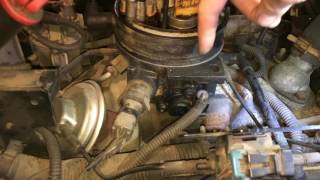
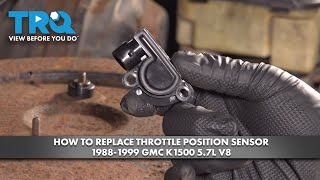
🎬 Watch this step-by-step walkthrough of the TPS replacement process.- Disconnect the Battery: Always disconnect the negative battery terminal before working on electrical components.
- Remove the Air Cleaner Assembly: This will give you clear access to the throttle body.
- Unplug the Sensor: Carefully disconnect the electrical connector from the TPS.
- Remove the Old Sensor: The sensor is typically held on by two T20 or T25 Torx screws. Remove them and pull the old sensor straight off.
- Install the New Sensor: Mount the new sensor, ensuring it is properly seated. The shaft is often keyed to fit only one way. Lightly tighten the screws.
- Reconnect and Test: Plug the electrical connector back in, reconnect the battery, and start the engine. Ensure it idles smoothly. No special calibration or relearn procedure is typically required for these models.
Pro Tip: Before installing the new sensor, take a moment to clean any carbon buildup from around the throttle body bore and plate with a dedicated throttle body cleaner. This can help ensure a smooth idle.
Frequently Asked Questions (FAQ)
Do I need to calibrate the new TPS?
For the 1987-1999 GMC P3500 with a mechanical throttle, a specific calibration or 'relearn' procedure is generally not necessary. These sensors have slotted mounting holes that allow for minor adjustment, but most aftermarket parts are designed to work correctly when bolted into the center of the adjustment range. The ECM will read the new sensor's baseline voltage at startup.
Is the TPS different for the 5.7L, 7.4L, and 6.5L diesel engines?
Yes. There are different part numbers for the gas and diesel engines, and even between different year ranges of the gas engines. The 6.5L diesel uses a specific sensor (OEM part #10137417) that is part of the accelerator pedal assembly. The TBI gas engines used at least two different designs during this period. It is critical to verify the correct part for your specific year and engine before ordering.
What happens if I don't replace a bad TPS?
Continuing to drive with a faulty TPS can be unsafe. The engine may stall in traffic, and unpredictable acceleration can make merging or pulling out dangerous. It can also lead to damage to the catalytic converter over time due to an incorrect air-fuel mixture and cause unnecessary wear on the transmission from erratic shifting.
Can I just clean my old TPS?
The TPS is a sealed electronic component. The failure is usually internal wear on the sensor's resistive track, which cannot be fixed by cleaning. While cleaning the electrical connector contacts can sometimes help a poor connection, if the sensor itself has failed, it must be replaced.
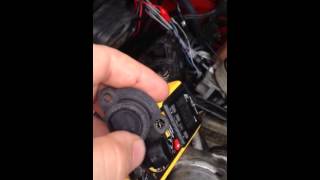
🎬 See how to test your TPS before buying a replacement.Helpful Videos
Technical Specifications
OEM Part Numbers: 17106681 17123852 213-912 10137417
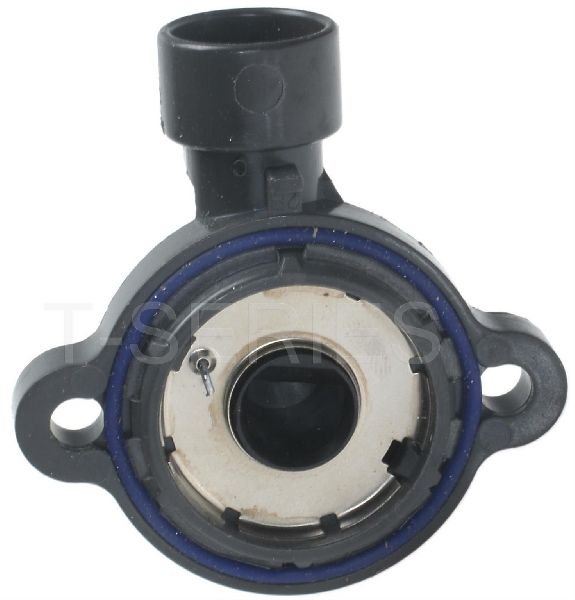
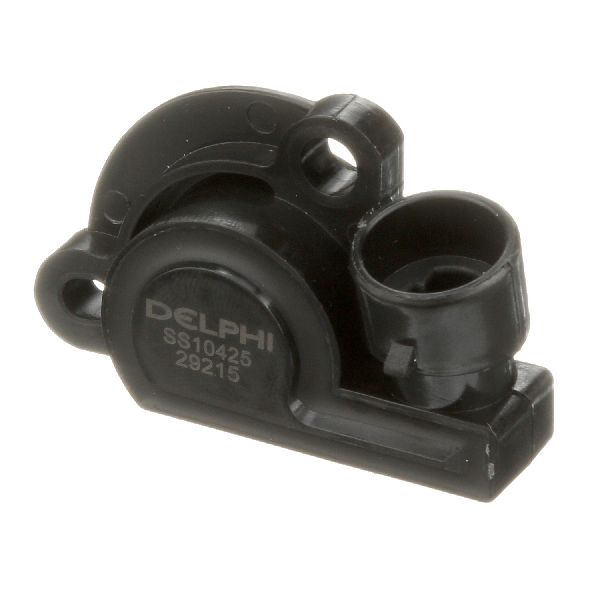
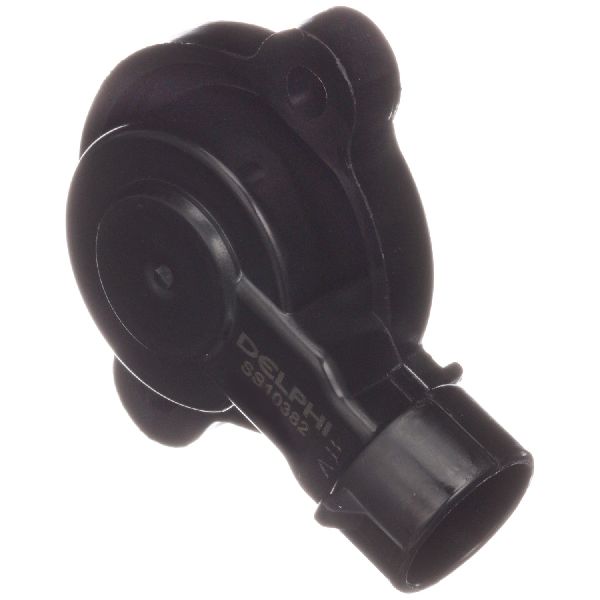
The TPS for this generation is a 3-pin potentiometer-style sensor for gas engines and a different design for diesel models. It is a standalone part on gas engines, mounted to the throttle body. It is not integrated into the throttle body, making replacement simple. The correct idle voltage is approximately 0.5V, and wide-open throttle should read between 4.5V and 5.0V.
We Have This Part in Stock


The information in this article is provided for general reference and educational purposes only. Vehicle specifications, procedures, and part compatibility can vary by production date, trim level, and region. Always consult your vehicle's factory service manual and verify part numbers before purchasing or performing repairs. Safety-critical components such as airbags, seat belts, and braking systems should be installed by a qualified professional.
- GMC P3500: