

Mercury Tracer Rear Brake Drum Replacement Guide (1987-1999)
Restore the stopping power and safety of your 1987-1999 Mercury Tracer by understanding when and how to replace your rear brake drums.
- For the 1987-1999 Tracer, quality aftermarket brake drums from brands like Centric, Bendix, or Dynamic Friction offer the best value.
- Always replace brake drums, shoes, and hardware all at the same time and in pairs (both rear wheels).
- Scraping noises from the rear are a critical safety warning that requires immediate inspection.
- There are no widespread recalls or TSBs specifically for brake drum failure on the Mercury Tracer; issues are typically due to normal wear and tear.
Is Your Tracer's Braking Feeling Off?
The Mercury Tracer is a reliable car, but its brake components wear out over time. The rear brake drums are a critical part of your ability to stop safely. Since these cars are now classics, original Ford OEM (Original Equipment Manufacturer) parts are nearly impossible to find. Fortunately, the aftermarket offers many quality replacement options that meet or exceed the original specifications and are perfect for keeping your Tracer on the road.
Symptoms of a Worn Brake Drum
Pay attention to these signs. They indicate your rear brake drums or shoes need inspection and likely replacement.
- Scraping or Grinding Noises: A loud scraping sound from the rear when you brake is a serious warning. It usually means the brake shoes have worn completely away, and metal is now grinding against the inside of the drum.
- Spongy or Soft Brake Pedal: If your brake pedal feels soft, goes down further than usual, or feels less responsive, it could be a sign of worn-out drums or other hydraulic issues like air in the lines.
- Reduced Stopping Power: If you notice your car is taking longer to stop, your worn brake drums may not be creating enough friction.
- Vibrations: While more common with warped front rotors, severely out-of-round rear drums can sometimes cause a vibration when braking.
- Parking Brake Issues: A parking brake that doesn't hold the car securely or pulls up much higher than it used to can indicate that the rear brakes (shoes and drums) are worn and out of adjustment.
Pro Tip: Replace in Pairs
Always replace brake drums in pairs (both rear wheels at the same time). Replacing only one can create a dangerous braking imbalance, causing the car to pull to one side when you stop. It is also highly recommended to install new brake shoes and a new hardware kit along with new drums.
Choosing the Right Aftermarket Brake Drum
For a vehicle like the 1987-1999 Tracer, a quality aftermarket drum is the best and most practical choice. Here’s a breakdown of available brands, from good daily-driver quality to economy options.
Good & Better Quality Brands
- Centric: A highly regarded aftermarket brand known for making parts that meet or exceed OEM quality. They are praised for precision manufacturing, which helps ensure a good fit and quiet operation. For a daily-driven Tracer, Centric is a reliable and popular choice.
- Bendix: Bendix is a historic brand with a strong reputation for quality and has supplied parts to automakers directly. They are known for using high-quality metals for strong, quiet braking performance. While generally excellent, some users have noted occasional balance issues on new drums, so professional installation is a good idea.
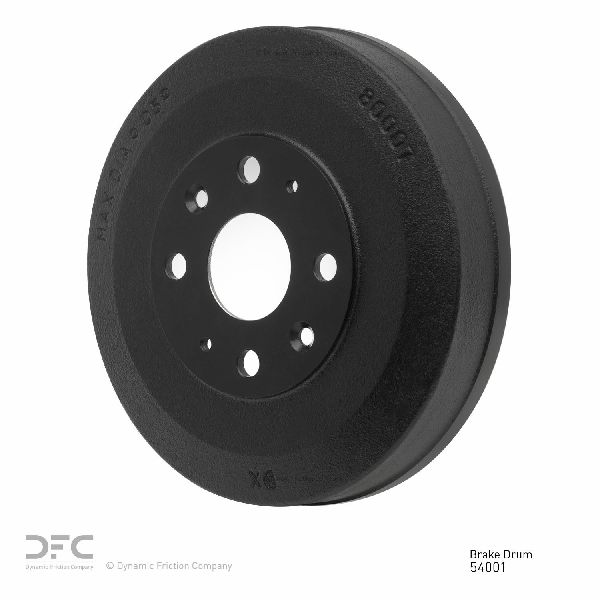
- Dynamic Friction (DFC): This brand focuses on producing drums that are 100% mill-balanced to prevent vibrations. They use quality castings and often feature a corrosion-resistant coating, which is a nice feature to prevent rust. They are considered a solid choice that provides good value.
Standard & Economy Brands
- Raybestos: Raybestos is a well-known name, but recent reviews can be mixed. While they produce parts to OE specifications using G3000-grade iron, some users have reported inconsistent quality on their lower-end lines. Their mid-grade or coated products are generally considered more reliable.
- Pronto: This brand typically falls into the economy or standard replacement category. It offers a cost-effective solution for basic transportation needs, meeting minimum requirements to get your car safely back in service.
Known Issues for the Mercury Tracer
Searches for official recalls and Technical Service Bulletins (TSBs) did not find any specific patterns of failure for the rear brake drums on the 1987-1999 Mercury Tracer. Most reported brake problems are related to general wear, sticking front calipers, or hydraulic issues like a failing master cylinder.
Estimated Replacement Costs
The cost to replace brake drums can vary by location and the parts you choose. Since you should always replace shoes and hardware with the drums, those costs are factored in.
| Part / Service | Estimated Cost |
|---|---|
| Aftermarket Brake Drums (Pair) | $69 - $168 |
| Aftermarket Brake Shoes & Hardware | $30 - $60 |
| Shop Labor | $150 - $275 |
| Total Estimated Cost | $249 - $503 |
Frequently Asked Questions
Do I need to replace my brake shoes with the drums?
Yes. Always install new brake shoes and a new spring/hardware kit with new drums. Old shoes will have worn into the pattern of the old drums and won't make proper contact with the new, smooth surface, leading to poor performance and noise.
Can I just resurface my old drums?
While resurfacing (machining) a drum was once common, the low cost of new aftermarket drums for the Tracer makes it more practical and safer to simply replace them. A new drum has its full material thickness for better heat dissipation and a longer service life.
Why are my new brakes making noise?
New brakes can sometimes make noise during the first 50-100 miles as the shoes "bed-in" to the new drums. However, a loud grinding or scraping indicates a problem with the installation, such as a misaligned part or incorrect hardware placement. Have the installation checked immediately.
Is replacing rear brake drums a DIY job?
For a home mechanic with some experience, it is a manageable job. However, drum brakes contain many springs and clips that can be tricky to handle without the right tools. If you are not comfortable, it is a relatively quick job for a professional mechanic.
Technical Specifications
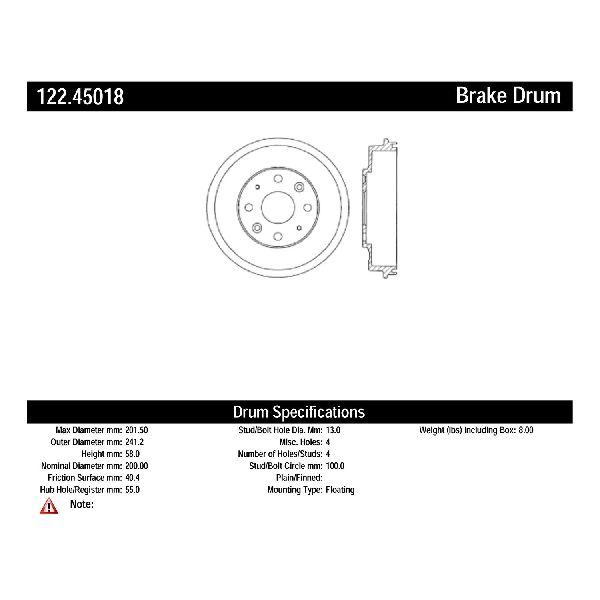
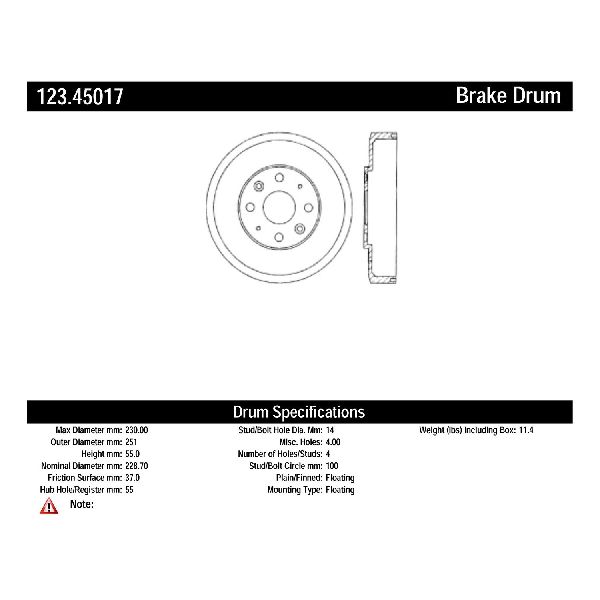
Varies by year and model. The 1997-1999 Tracer typically uses a 200mm (7.87 inch) inner diameter drum. Always verify the exact size for your specific year before ordering.
We Have This Part in Stock

The information in this article is provided for general reference and educational purposes only. Vehicle specifications, procedures, and part compatibility can vary by production date, trim level, and region. Always consult your vehicle's factory service manual and verify part numbers before purchasing or performing repairs. Safety-critical components such as airbags, seat belts, and braking systems should be installed by a qualified professional.
- Mercury Tracer:
- 🛍️ Shop This Part
- Is Your Tracer's Braking Feeling Off?
- Symptoms of a Worn Brake Drum
- Pro Tip: Replace in Pairs
- Choosing the Right Aftermarket Brake Drum
- Good & Better Quality Brands
- Standard & Economy Brands
- Known Issues for the Mercury Tracer
- Estimated Replacement Costs
- Frequently Asked Questions
- 🎟️ Get 5% Off