

Mercury Tracer Brake Light Switch Guide: 1987-1999 Problems and Replacement
Solve common brake light, cruise control, and shifting issues on your 1987-1999 Tracer.
- A bad brake light switch is a critical safety issue; do not drive if your brake lights are not working.
- Symptoms include lights not working, lights staying on, being stuck in Park, and cruise control failure.
- Before replacing the switch, check for a small, broken plastic bushing at the brake pedal arm, a common failure point.
- Replacement is simple, located in the driver's footwell, and is a good DIY task for most owners.
Is Your Mercury Tracer Brake Light Switch Failing?
A faulty brake light switch can cause some confusing problems that might not seem related to the brakes at first. Because the 1991-1999 Tracer is mechanically identical to the Ford Escort, and the 1987-1990 models share a platform with the Mazda 323, we can look at common issues from all three cars to understand what goes wrong. The most common failure is simple wear and tear from constant use. On some models, a small plastic bushing on the brake pedal that presses the switch can become brittle and break, causing the switch to think the pedal is always pressed.
Symptoms of a Bad Brake Light Switch
- Brake Lights Don't Work: The most obvious and dangerous symptom is when your brake lights fail to illuminate when you press the pedal.
- Brake Lights Stay On: The switch can fail in the 'on' position, leaving your brake lights constantly lit, which can confuse other drivers and drain your battery overnight.
- Cannot Shift Out of Park: Automatic transmission models require a signal from the brake switch to allow the gear shifter to move out of the Park position as a safety feature.
- Cruise Control Won't Engage or Disengages Randomly: The cruise control system relies on the brake switch to disengage. A faulty switch can prevent it from working at all.
Safety First: A Critical Part
Driving without functional brake lights is extremely dangerous and illegal. If you suspect your brake lights are not working, you should not drive the vehicle until it is repaired. This is a critical safety issue that makes it impossible for other drivers to know when you are stopping.
Choosing the Right Aftermarket Brake Light Switch
For a vehicle like the 1987-1999 Mercury Tracer, aftermarket parts offer excellent value. The original OEM parts are likely discontinued, and aftermarket brands have been making reliable replacements for years. The technology is simple, and quality aftermarket options are more than sufficient.
Here's a look at the available brands:
- Standard Ignition (SMP): Often considered a top-tier aftermarket brand, Standard produces parts that meet or exceed original specifications. They are a trusted choice for electrical components and a safe bet for reliability.
- Rostra Powertrain: Rostra is well-known for transmission components and other electronic accessories. Their switches are solid, standard-grade replacements that provide reliable function for daily driving.
- Facet: Facet is a brand that produces a wide range of engine management components. They are generally seen as a standard replacement or economy option, offering a balance of affordability and function.
Pro Tip: Check the Bushing First
Before ordering a new switch, look in the driver's footwell above the brake pedal. Owners of the identical Ford Escort have reported that a small plastic bushing that the switch plunger rests against can crumble. If you see broken plastic pieces on the floor mat and the switch plunger is not touching anything, you may only need to replace this inexpensive bushing, not the entire switch.
Brake Light Switch Cost for 1987-1999 Mercury Tracer
| Part Type | Price Range | Notes |
|---|---|---|
| New Aftermarket | $17.80 - $57.72 | This is the most common and recommended option. Price varies by brand and specific features. |
| New OEM | null | Original Ford/Mercury parts are likely no longer available new. |
| Shop Labor | $50 - $100 | Replacement is quick, typically taking less than an hour. |
Frequently Asked Questions (FAQ)
Can I replace the brake light switch myself?
Yes, this is a very DIY-friendly repair. The switch is located above the brake pedal and is usually held in place by a clip or a small nut. It can be removed by twisting it counter-clockwise or unbolting it. The job requires working in the tight space of the driver's footwell but needs only basic hand tools.
Are there any recalls on the Mercury Tracer brake light switch?
No, searches of the National Highway Traffic Safety Administration (NHTSA) database show no specific safety recalls for the brake light switch on the 1987-1999 Mercury Tracer.
What's the difference between a brake light switch and a brake light sensor?
For the Mercury Tracer, these terms are often used for the same part. It's a simple switch that senses the pedal's movement. On much newer cars, a 'brake pedal position sensor' can be more complex, but for this generation, it's a straightforward on/off switch.
My brake lights work, but my car is still stuck in Park. Could it be the switch?
It's possible. Some brake light switches have multiple internal circuits. One circuit might control the lights while another sends the signal to the shift interlock. If one circuit fails, you can have partial function. However, you should also check the brake light fuse and the shift interlock solenoid itself.
Technical Specifications
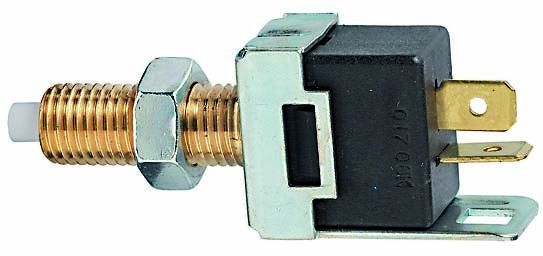
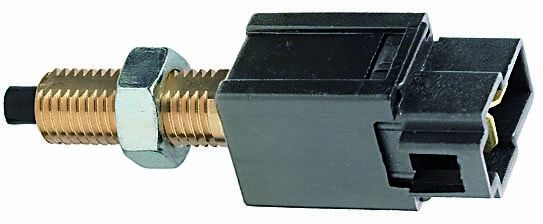
Plunger-activated mechanical switch located on the brake pedal assembly. Typically features a 2-pin or 4-pin electrical connector.
We Have This Part in Stock


The information in this article is provided for general reference and educational purposes only. Vehicle specifications, procedures, and part compatibility can vary by production date, trim level, and region. Always consult your vehicle's factory service manual and verify part numbers before purchasing or performing repairs. Safety-critical components such as airbags, seat belts, and braking systems should be installed by a qualified professional.
- Mercury Tracer:
- 🛍️ Shop This Part
- Is Your Mercury Tracer Brake Light Switch Failing?
- Symptoms of a Bad Brake Light Switch
- Safety First: A Critical Part
- Choosing the Right Aftermarket Brake Light Switch
- Pro Tip: Check the Bushing First
- Brake Light Switch Cost for 1987-1999 Mercury Tracer
- Frequently Asked Questions (FAQ)
- 🎟️ Get 5% Off