

Mercury Tracer Engine Coolant Temperature Sensor Guide (1987-1999)
Address poor fuel economy, rough idling, and overheating by understanding and replacing your Tracer's ECT sensor.
- Your Tracer may have two separate parts: a 'sensor' for the engine computer and a 'sender' for the dash gauge. Identify the correct part before buying.
- Common symptoms of a bad sensor include poor gas mileage, overheating fans not turning on, and a Check Engine Light.
- This is an easy and inexpensive DIY replacement. The part itself is affordable, and the job requires basic tools and less than an hour.
- For this vehicle, a quality aftermarket brand like Delphi, NGK, or Standard Ignition offers excellent value and reliability.
Understanding the Two Coolant Temperature Units in Your Tracer
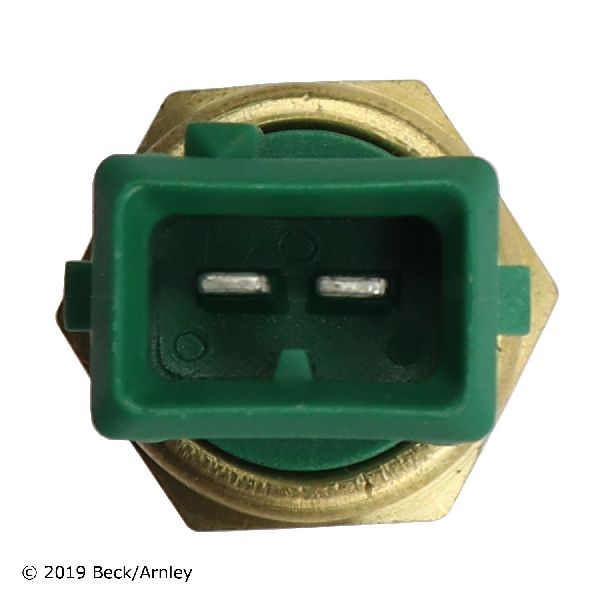
Many vehicles from the 1987-1999 era, including the Mercury Tracer, often used two separate components for monitoring coolant temperature. It's a common point of confusion. One part is the Engine Coolant Temperature (ECT) Sensor, which has two wires and sends a signal to the engine computer (ECU/PCM). This signal is crucial for engine management, affecting fuel injection and fan control. The other part is the Coolant Temperature Sender, which typically has only one wire. Its sole job is to operate the temperature gauge on your dashboard. If your gauge is acting erratically but the engine runs fine, the sender is likely the problem. If you're experiencing engine performance issues like those listed below, the ECT sensor is the probable culprit.
Symptoms of a Failing ECT Sensor
When the main ECT sensor fails, it sends incorrect information to the engine computer. This can make your Tracer's engine behave as if it's always cold or always hot, leading to a variety of noticeable problems.
- Poor Fuel Economy: If the sensor wrongly tells the computer the engine is cold, the computer will enrich the fuel mixture, causing you to use more gas than necessary.
- Check Engine Light: A faulty sensor will often trigger a Check Engine Light. Common trouble codes include P0115, P0117, and P0118.
- Engine Overheating: A failed sensor might not signal the computer to turn on the cooling fans when the engine gets hot, leading to overheating, especially in stop-and-go traffic.
- Black Smoke from Exhaust: An overly rich fuel mixture from a bad sensor reading can result in unburnt fuel exiting the exhaust as black smoke.
- Rough Idle and Hard Starts: The wrong air-fuel mixture can cause the engine to idle poorly, shake, or be difficult to start, especially when the engine is warm.
Aftermarket Brand Quality Tiers for Mercury Tracer
| Tier | Brands | General Assessment |
|---|---|---|
| Premium Aftermarket | Delphi, NGK (NTK), Beck Arnley, Hella | Often original equipment suppliers. Offer reliability and performance very close to the original factory part. A solid choice for peace of mind. |
| Standard Aftermarket | Standard Ignition (SMP), Four Seasons, Walker Products, Motorad | These brands are well-known in the aftermarket and provide a good balance of quality and value. They are a reliable choice for most repairs. |
| Economy Aftermarket | URO Parts, True Tech, Global Parts, Facet, Holstein | These are budget-friendly options. While functional, their lifespan and consistency may not match that of higher-tiered brands. Best for situations where budget is the primary concern. |
Choosing the Right Aftermarket Sensor
For a vehicle like the 1987-1999 Mercury Tracer, new OEM parts from Ford (Motorcraft) can be difficult to find and expensive. Aftermarket parts are a practical and affordable solution. The quality of a simple electronic part like an ECT sensor from reputable aftermarket brands such as Delphi, NGK, or Standard Ignition is generally very good and perfectly suitable for the Tracer. Given the low cost of even premium aftermarket brands, it is often worth spending a few extra dollars over an economy brand for better reliability and longevity.
Pro Tip: Before you replace the sensor, inspect the electrical connector and wiring. Sometimes, a poor connection, corrosion, or a broken wire can mimic the symptoms of a failed sensor. Cleaning the connector or repairing the wire might solve your problem for free.
Frequently Asked Questions
Where is the ECT sensor located on my Mercury Tracer?
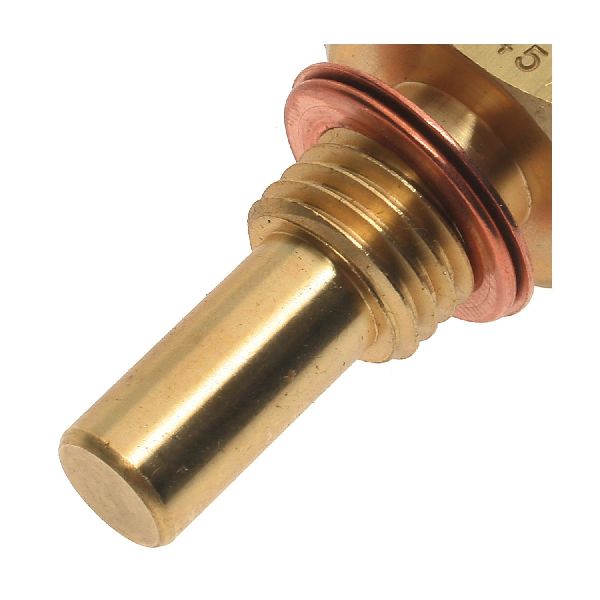
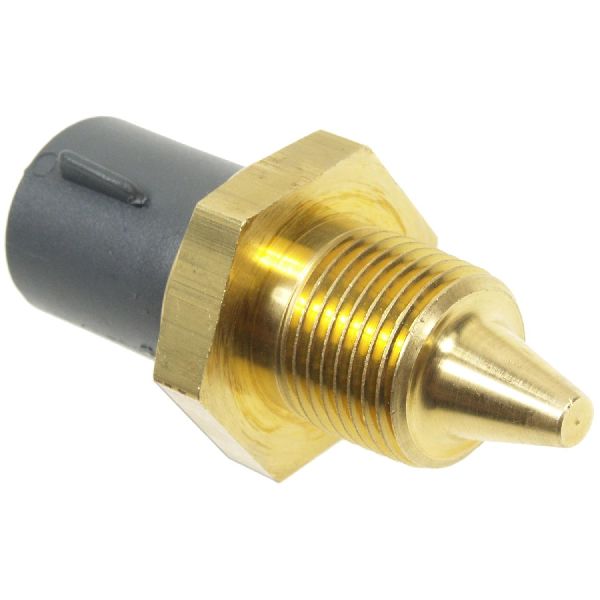
The location can vary slightly by year and engine (1.6L, 1.8L, 1.9L, 2.0L). Generally, the ECT sensor is screwed into the cylinder head or the thermostat housing, where it can accurately measure coolant temperature. The sender for the gauge is often located nearby. Look for a small, brass-colored sensor with a plastic electrical connector.
Can I replace the Tracer's ECT sensor myself?
Yes, this is a very DIY-friendly job for most home mechanics. It typically requires only basic hand tools like a deep socket or wrench. The main challenges are accessing the sensor, which may be in a tight spot, and dealing with a small amount of coolant spillage. The job can usually be done in under an hour.
Do I need to drain the coolant to replace the sensor?
You don't need to drain the entire system. Some coolant will leak out when you unscrew the old sensor. To minimize the loss, have the new sensor ready to screw in immediately. Make sure the engine is completely cool before starting, as hot coolant is under pressure and can cause severe burns. After replacement, you will need to top off the coolant level.
What is the difference between a sensor and a sender?
A 'sensor' sends data to the engine's computer. A 'sender' sends data to a gauge on your dashboard. On many older cars like the Tracer, these were two different parts. If your engine is running poorly, the sensor is the likely issue. If only your temperature gauge is wrong, the sender is the problem.
Technical Specifications
OEM Part Numbers: 9U2Z12A648A E0AZ12A648A DY1145 F5CZ10D968AA
Typically features a brass body with a 2-terminal plug-in connector. Thread size and connector shape can vary by engine and year, so visual confirmation is recommended.
We Have This Part in Stock


The information in this article is provided for general reference and educational purposes only. Vehicle specifications, procedures, and part compatibility can vary by production date, trim level, and region. Always consult your vehicle's factory service manual and verify part numbers before purchasing or performing repairs. Safety-critical components such as airbags, seat belts, and braking systems should be installed by a qualified professional.
- Mercury Tracer: