

Mercury Tracer Oxygen Sensor Guide for 1987-1999 Models
Everything a Mercury Tracer owner needs to know about replacing a failing oxygen sensor for better performance and fuel economy.
- Verify the correct sensor for your Tracer's year, engine, and position (upstream/downstream for 1996+ models).
- A direct-fit sensor from a reputable brand like Bosch, Denso, or NGK is the best choice for reliability and ease of installation.
- Driving with a bad O2 sensor will decrease fuel economy and can eventually damage your expensive catalytic converter.
- Replacing an O2 sensor is a feasible DIY job with a special O2 sensor socket, but rust can make removal difficult.
Understanding Oxygen Sensor Failure in Your Tracer
The oxygen sensor in your 1987-1999 Mercury Tracer is a key player in engine performance. When it starts to fail, it can't send accurate information to the engine computer. This often leads to a poor air-fuel mixture, causing noticeable problems. The most common sign of a bad O2 sensor is the check engine light coming on. You might also experience poor gas mileage, a rough idle, hesitation when you accelerate, or even a smell like rotten eggs from the exhaust. Over time, ignoring a bad sensor can lead to more expensive repairs, including a damaged catalytic converter.
Generation and Engine Differences
The 1987-1999 Mercury Tracer was built on different platforms with various engines (1.8L, 1.9L, 2.0L). Models from 1996 onward are OBDII compliant and will have at least two O2 sensors: one upstream (before the catalytic converter) and one downstream (after the catalytic converter). Pre-1996 models may only have one. It is crucial to get the correct sensor for your specific year, engine size, and sensor position (upstream or downstream). Always verify the part by your vehicle's specifications.
Choosing the Right Aftermarket Oxygen Sensor
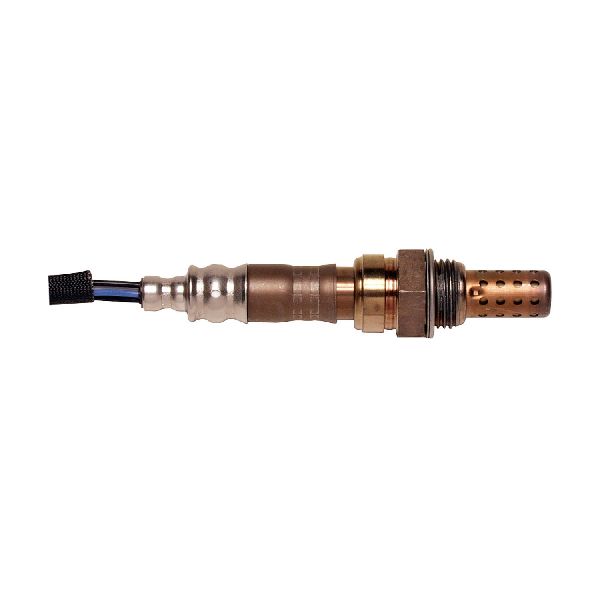
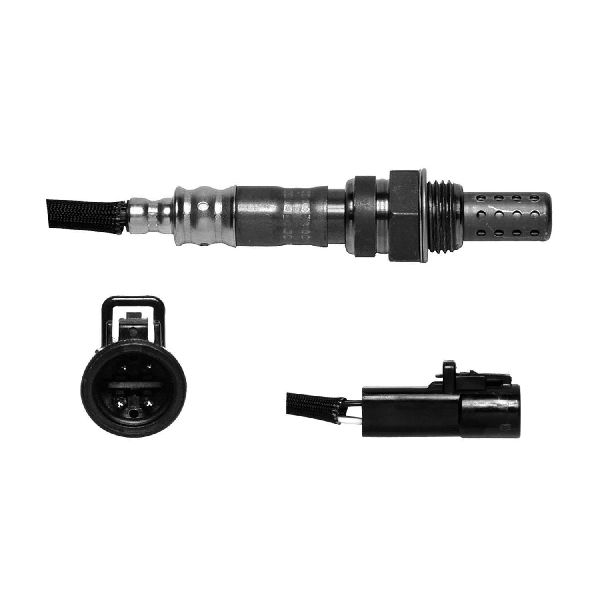
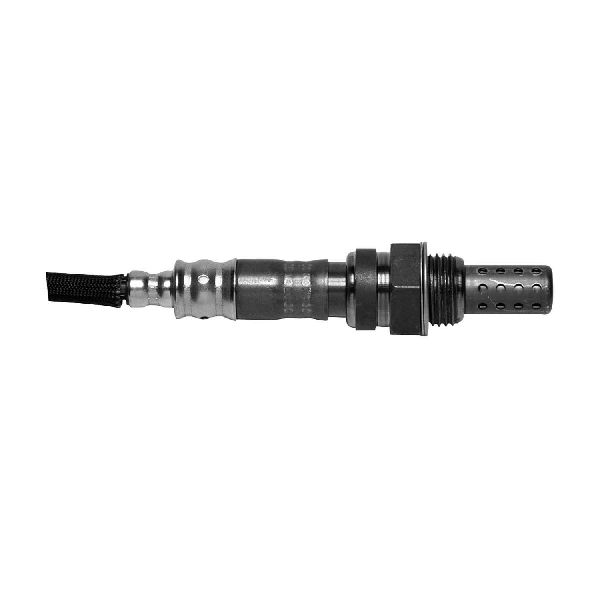
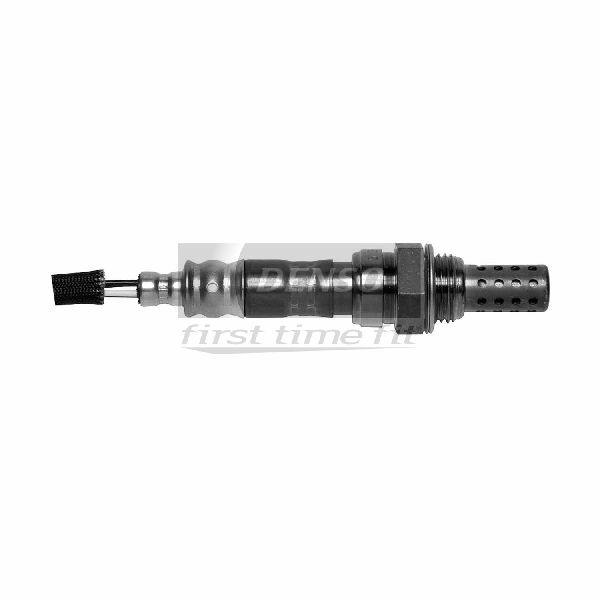
For a vehicle like the Mercury Tracer, a quality aftermarket oxygen sensor provides the same performance as an OEM (Original Equipment Manufacturer) part but at a better price. The key is to choose a reputable brand. Aftermarket sensors are available as "Direct-Fit" or "Universal."
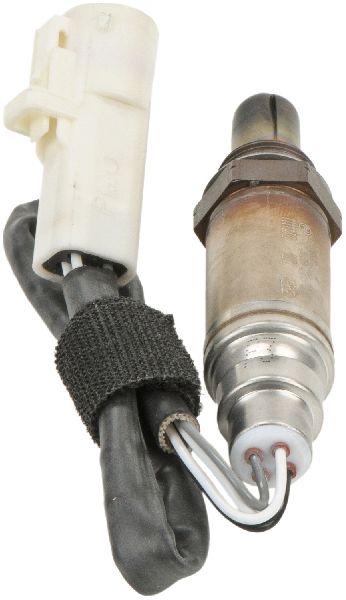
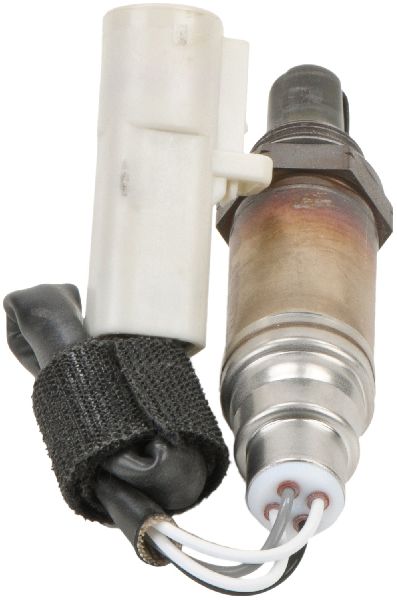
- Direct-Fit: These are highly recommended. They come with the correct electrical connector for your Tracer, making installation a simple plug-and-play process.
- Universal: These require you to cut the old connector off and splice it onto the new sensor's wires. While cheaper, this adds complexity and a potential point of failure if not done correctly.
Aftermarket Brand Quality Tiers
Not all brands are created equal. Based on general market reputation, here’s how the available brands stack up:
Top Tier (OEM Quality): Bosch, Denso, and NGK (also sold as NTK) are often the original suppliers to automakers. Bosch invented the first automotive oxygen sensor. These brands are known for their reliability and are a top choice for a dependable repair.
Mid-Tier (Reliable Value): Delphi, Walker Products, and Spectra offer a good balance of quality and price. They are well-regarded in the aftermarket and produce reliable sensors that meet or exceed OEM specifications.
Value Tier (Budget-Friendly): DriveWire is a budget-oriented option. While it can get your vehicle back on the road, long-term durability may not match that of the higher-tier brands.
Pro Tip: Replacing Sensors in Pairs
If your Tracer has over 100,000 miles and one oxygen sensor fails, it's often a good idea to replace the other original sensors at the same time. They have all been subjected to the same conditions, and the others may not be far from failing. On OBDII models (1996+), replacing both upstream sensors (if applicable) can help maintain balanced engine performance.
Cost to Replace a Mercury Tracer Oxygen Sensor
| Part Type | Estimated Cost |
|---|---|
| New Aftermarket Oxygen Sensor | $21 - $125 |
| Shop Labor | $50 - $120 |
| Total DIY Cost | $21 - $125 |
| Total Shop Cost | $71 - $245 |
Cost estimates are for a single sensor and do not include taxes or diagnostic fees. Labor costs are based on an estimated 0.5-1.0 hours of work.
Frequently Asked Questions (FAQ)
How many oxygen sensors does my 1987-1999 Mercury Tracer have?
It depends on the year and engine. Models from 1996-1999 with the 2.0L engine have two sensors: one upstream (before the catalytic converter) and one downstream (after it). Earlier models, especially those before 1996, typically have only one sensor. Four-cylinder engines have one bank, so you will see codes for Bank 1.
What tools do I need to replace the oxygen sensor?
You will typically need a special oxygen sensor socket (which has a slot for the wire), a ratchet, and possibly some penetrating oil to loosen a stuck sensor. It's also helpful to have anti-seize compound for the threads of the new sensor, though many new sensors come with it pre-applied.
Can I clean my old oxygen sensor instead of replacing it?
It is not recommended. Cleaning solvents can damage the sensor's delicate internal components. Given the relatively low cost of a new aftermarket sensor and the importance of its function, replacement is the only reliable solution for a failing sensor.
What are common check engine light codes for a bad O2 sensor?
For a 1996 or newer Tracer, common codes include P0135 (O2 Sensor Heater Circuit Malfunction Bank 1, Sensor 1), P0141 (Heater Circuit Malfunction Bank 1, Sensor 2), P0131 (O2 Sensor Circuit Low Voltage), and P0133 (O2 Sensor Circuit Slow Response). A Ford/Mercury Technical Service Bulletin (TSB 01-9-7) also lists various HO2S-related codes.
Were there any recalls for the Mercury Tracer oxygen sensor?
No specific recalls for the oxygen sensor on the 1987-1999 Mercury Tracer were found during research on the NHTSA database. However, Ford did issue a Technical Service Bulletin (TSB 01-9-7) that provides diagnostic help for technicians dealing with Heated Oxygen Sensor (HO2S) related issues on the 1996-1999 Tracer, among other models.
Technical Specifications
OEM Part Numbers: E93F9F472AA E93F9F472DA E93F9F472EA
Varies by year and engine. Pre-1996 models often use 1 or 2-wire unheated sensors. 1996 and newer models use 4-wire heated oxygen sensors (HO2S). Thread size is typically M18-1.50.
We Have This Part in Stock

The information in this article is provided for general reference and educational purposes only. Vehicle specifications, procedures, and part compatibility can vary by production date, trim level, and region. Always consult your vehicle's factory service manual and verify part numbers before purchasing or performing repairs. Safety-critical components such as airbags, seat belts, and braking systems should be installed by a qualified professional.
- Mercury Tracer:
- 🛍️ Shop This Part
- Understanding Oxygen Sensor Failure in Your Tracer
- Generation and Engine Differences
- Choosing the Right Aftermarket Oxygen Sensor
- Aftermarket Brand Quality Tiers
- Pro Tip: Replacing Sensors in Pairs
- Cost to Replace a Mercury Tracer Oxygen Sensor
- Frequently Asked Questions (FAQ)
- 🎟️ Get 5% Off