

BMW M6 (1987-2005) Engine Oil Pressure Switch Replacement Guide
Understanding the oil pressure switch in your E24 or E63 M6 is key to preventing serious engine issues.
- The 1987-2005 M6 range covers two different generations (E24 and E63) which use different parts; verify fitment.
- Never ignore an oil pressure light; always stop the engine immediately and verify the oil level before assuming it's a bad sensor.
- Replacement is a simple DIY task, typically requiring a 24mm wrench and access to the oil filter housing area.
- Choosing a quality aftermarket brand like Hella, Febi, or Beck Arnley is a reliable, cost-effective alternative to OEM.
Understanding Your M6's Oil Pressure Switch
The 1987-2005 production range for the BMW M6 covers two very different generations: the classic E24 M6 (1987-1989) with its S38 inline-six engine, and the first model year of the E63 M6 (2005), powered by the formidable S85 V10. While both cars have an engine oil pressure switch that serves the same vital function, their locations and specific part designs differ. This guide covers what owners of both chassis should know when it's time for a replacement.
Symptoms of a Failing Oil Pressure Switch
A bad oil pressure switch can cause confusion and anxiety, as it directly relates to your engine's health. The symptoms can mimic a real, severe oil pressure problem.
🎬 Watch this video to learn more about bad sensor symptoms.- Oil Pressure Light On or Flickering: The most common symptom is the red oil pressure light on your instrument cluster illuminating, either staying on steadily or flickering. This can happen even if the oil level and actual pressure are perfectly fine.
- Oil Light Stays Off: In a more dangerous failure, the switch can fail to activate even when there is a genuine loss of oil pressure. This is why any suspected issue should be investigated immediately.
- Oil Leak from the Switch: The switch itself can develop a leak. Oil may seep from the plastic connector housing or the seal where it threads into the engine block. You might notice a small puddle of oil under the car or see residue around the sensor itself. 🎬 See how to diagnose and fix a leaking oil pressure switch.
Warning: Do Not Ignore the Oil Pressure Light
Never assume the warning light is just a faulty sensor. Always stop the car safely and shut off the engine immediately. Check your oil level. If the level is correct, it's best to have the vehicle towed to a mechanic to have the actual oil pressure tested with a mechanical gauge before starting the engine again. Driving with low oil pressure can destroy an engine in minutes.
Choosing the Right Aftermarket Part
For a simple but crucial part like an oil pressure switch, quality matters. While an OEM BMW part is always a safe bet, several reputable aftermarket brands offer reliable alternatives at a lower cost. One forum user noted that an unbranded aftermarket part failed within 9 months, recommending a genuine part for the E63 M6. However, many owners have success with quality aftermarket options.
Here’s a breakdown of available brands:
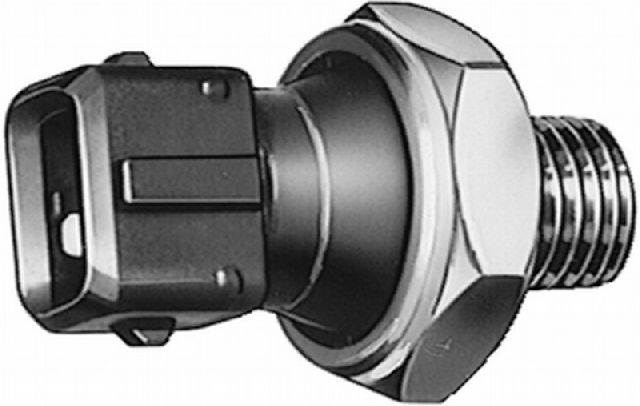
- OEM-Quality Tier (Recommended): Brands like Hella, Febi Bilstein, and CRP (Rein) are often original equipment manufacturers for BMW and other German brands. They are known for high-quality parts that meet or exceed OEM specifications and are a trusted choice for reliability.
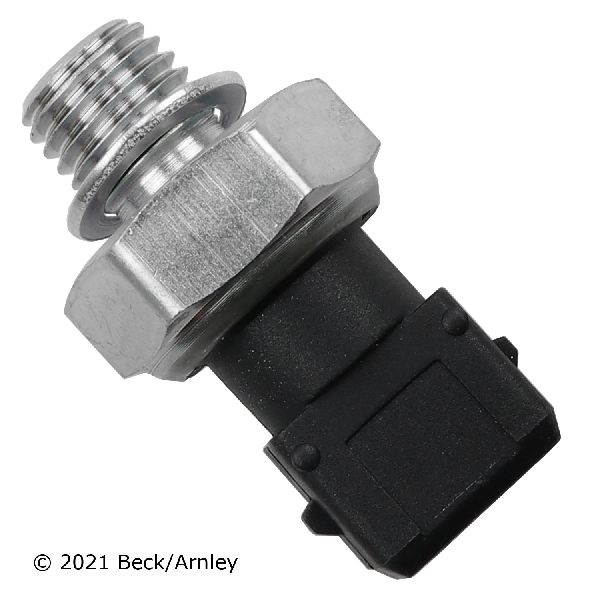
- Trusted Aftermarket Tier: Beck Arnley and Standard Ignition (SMP) are well-regarded brands in the North American market. They focus on providing parts that match OE form, fit, and function and are generally a solid, reliable option.
- Budget Tier: Brands like URO Parts and others such as Facet or Global Parts fall into this category. While they offer the lowest prices, their quality can sometimes be inconsistent. For a critical sensor like this, it's often worth spending a few extra dollars for a part from a higher-tier brand to ensure reliability and peace of mind.
Replacement Overview & Locations
Replacing the oil pressure switch is a feasible DIY job for those with basic mechanical skills. The key is locating the sensor, which differs between the two M6 generations.
Pro Tip: Always work on a cold engine to avoid burns from hot oil or engine components. It's also a good idea to have a rag ready, as a small amount of oil will drip out when the old sensor is removed.
- For the E24 M6 (1987-1989): The oil pressure switch on the S38 engine (and related M88/M30 engines) is typically located on the cylinder head. Some parts diagrams show it on the oil filter housing base. It will have a single wire connector.
- For the E63 M6 (2005): On the S85 V10 engine, the oil pressure switch is generally located on the oil filter housing, which is at the front of the engine. You will likely need to remove the engine cover to access it. It is a single-pin sensor that requires a 24mm wrench to remove. 🎬 View the oil pressure switch location on the E63 chassis. One user on a forum noted for the E63 platform that the switch is on the left-hand side of the engine and only accessible from underneath the car.
Known Issues, Recalls, and TSBs
Searches for recalls and Technical Service Bulletins (TSBs) related specifically to the oil pressure switch on the 1987-2005 M6 did not yield specific results. However, there are some related items to be aware of:
- E63 M6 (and related models) Oil Pump Recall: Some 2013 M5 and M6 models were recalled for a potential engine oil pump failure that could lead to a sudden loss of oil pressure (NHTSA 12V-475). While this doesn't affect the 2005 model year directly, it highlights the importance of the S85's lubrication system.
- General Recalls: Both generations have had recalls for other issues. The E63 M6 had recalls for battery cables, airbags, and driveshafts. It's always wise to check if your vehicle has any open recalls by entering your VIN on the NHTSA website.
| Part Type | Price Range |
|---|---|
| New Aftermarket | $6.77 - $22.55 |
| New OEM (Estimate) | $30 - $55 |
| Shop Labor (Estimate) | $101 - $148 |
Frequently Asked Questions (FAQ)
Is a flickering oil light definitely a bad switch?
Not necessarily. While a faulty switch is a common cause, a flickering light can also indicate a genuinely low oil level, a clogged oil filter, or a failing oil pump. Always check your oil level first and have the engine's oil pressure professionally tested to rule out a serious mechanical problem.
What tools do I need to replace the oil pressure switch?
You will typically need a deep socket or wrench, usually 24mm, to remove and install the switch. You'll also need a rag to clean up spilled oil and potentially a socket set to remove engine covers for access. A torque wrench is recommended for proper tightening.
Do I need to drain the engine oil to replace the switch?
No, you do not need to drain all the oil. The switch is located high enough on the engine that only a small amount of residual oil will leak out when you remove it. Having the new switch ready to install quickly will minimize the mess.
What do the technical specifications like 'M12 x 1.5' mean?
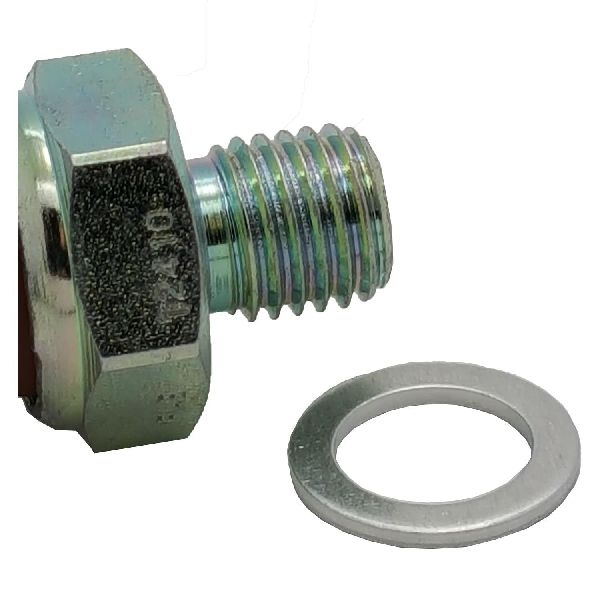
'M12 x 1.5' refers to the thread size of the sensor. It's crucial to ensure the replacement part has the correct thread size and pressure rating (measured in 'bar') to fit and function correctly in your specific M6 engine.
Helpful Videos
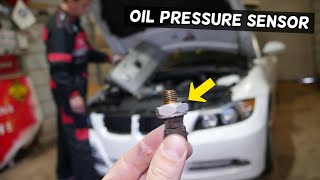
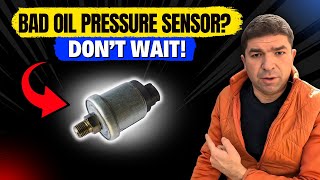
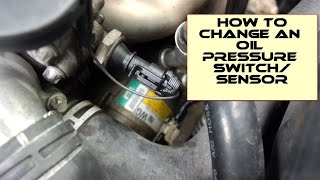
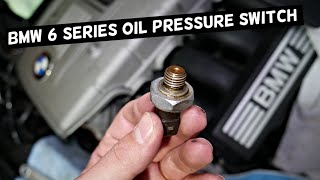
Technical Specifications
OEM Part Numbers: 12618611273 12617620512 12617568480 12611730160 12611710509
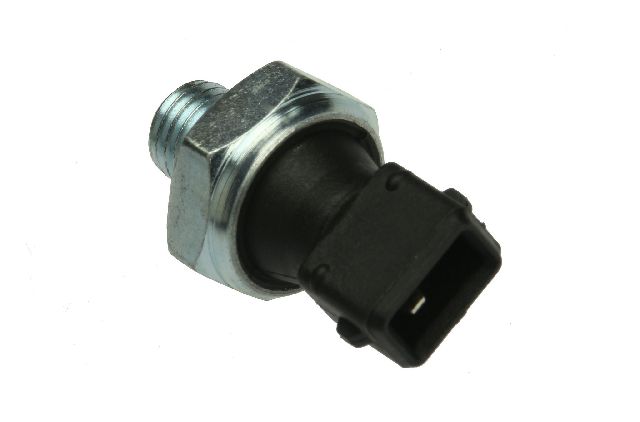
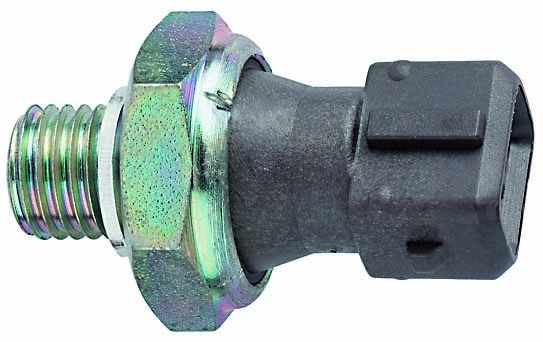
Thread Size: M12x1.5, Spanner Size: 24mm, Connector: 1-Pin.
We Have This Part in Stock


The information in this article is provided for general reference and educational purposes only. Vehicle specifications, procedures, and part compatibility can vary by production date, trim level, and region. Always consult your vehicle's factory service manual and verify part numbers before purchasing or performing repairs. Safety-critical components such as airbags, seat belts, and braking systems should be installed by a qualified professional.
- BMW M6:
- 🎬 Helpful Videos
- 🛍️ Shop This Part
- Understanding Your M6's Oil Pressure Switch
- Symptoms of a Failing Oil Pressure Switch
- Warning: Do Not Ignore the Oil Pressure Light
- Choosing the Right Aftermarket Part
- Replacement Overview & Locations
- Known Issues, Recalls, and TSBs
- Frequently Asked Questions (FAQ)
- 🎟️ Get 5% Off