

1988-1991 Bentley Turbo R Engine Coolant Temperature Sensor: A Comprehensive Guide
An essential component for your Turbo R's engine health, this sensor plays a critical role in performance and fuel efficiency.
- A failing ECT sensor commonly causes poor fuel economy, rough idle, and black exhaust smoke.
- For this vehicle, choose a quality aftermarket brand like NGK or Facet to ensure correct performance without the full OEM price.
- The sensor is located in the thermostat housing and is accessible for a skilled DIYer, but the engine must be cold.
- This vehicle predates OBD-II, so standard diagnostic codes do not apply; diagnosis requires specific knowledge of the car's systems.
Understanding the Role of the ECT Sensor in Your Turbo R
The Engine Coolant Temperature (ECT) sensor is a key part of your 1988-1991 Bentley Turbo R's engine management system. Think of it as a thermometer for your engine. It tells the main computer, called the Engine Control Unit or ECU, how hot or cold the engine is. This allows the computer to inject the right amount of fuel. A cold engine gets a richer fuel mixture (more fuel, less air), and a warm engine gets a leaner mixture. This process is essential for smooth idling, good fuel economy, and overall engine performance. On some systems, this sensor also helps control when the electric cooling fans turn on.
Symptoms of a Failing Coolant Temperature Sensor
A faulty ECT sensor can cause a range of problems because it sends incorrect information to the ECU. Owners may experience issues that seem unrelated, but often trace back to this single component.
- Poor Fuel Economy: If the sensor wrongly tells the ECU the engine is always cold, the computer will continuously send extra fuel. This causes your car to use more gas than necessary.
- Black Smoke from Exhaust: An overly rich fuel mixture may not burn completely. This unburnt fuel exits through the exhaust, creating visible black smoke.
- Engine Overheating: If the sensor fails to report that the engine is getting too hot, the cooling fans may not turn on when needed, leading to overheating.
- Rough Idle and Poor Performance: The engine is very sensitive to the wrong air-fuel mixture at idle. A bad sensor can lead to a shaky or vibrating idle and sluggish acceleration.
- Hard Starting: A failing sensor can make it difficult to start the engine, especially when it's cold, as noted by some Bentley owners in forums.
- Check Engine Light: While your Turbo R predates modern OBD-II systems, the engine management system can still detect a problem with the sensor's signal and trigger a warning light on your dashboard.
A Note on Diagnostic Codes
Your 1988-1991 Bentley Turbo R was built before the On-Board Diagnostics II (OBD-II) system became standard in 1996. Generic fault codes like P0115 or P0118 do not apply to this vehicle. Diagnosing issues requires a specialist with knowledge of the Bosch Motronic or Zytek engine management systems used in these cars.
Choosing the Right Aftermarket Sensor
For a classic vehicle like the Turbo R, choosing between Original Equipment Manufacturer (OEM) and aftermarket parts can be a concern. While OEM parts offer a guarantee of perfect fit and function, quality aftermarket brands can provide a reliable and cost-effective alternative. The OEM part number for this sensor is UE71610. Here is an honest look at the available aftermarket brands.
- NGK / NTK: NGK is a world-renowned manufacturer, often supplying parts directly to carmakers (OEM). Their NTK sensor line is known for high-quality engineering and rigorous testing that meets or exceeds original specifications. They are a top-tier choice for reliability.
- Facet: With over 75 years of experience, Facet is an Italian company that specializes in parts for European vehicles. They state their parts are designed to offer quality equal or superior to original components, making them a strong and reliable option for a Bentley.
- Standard Ignition (SMP): A long-standing leader in the aftermarket, Standard Ignition produces a vast range of engine management parts. Their products are widely available and generally considered a reliable mid-tier option, though some online reviews for their sensors on other vehicles are mixed.
- True Tech: Information on True Tech as a parts manufacturer is limited. It appears to be a budget-friendly or private-label brand associated with auto repair shops. For a critical component on a high-performance engine, choosing a brand with a more established reputation for sensor manufacturing is recommended.
OEM vs. Aftermarket Quality
For electronic sensors, quality matters. Cheaper, unbranded sensors can have incorrect resistance values, leading to the same problems as a failed part. Brands like NGK/NTK and Facet have a strong reputation for producing sensors that perform to OE standards. For a Bentley Turbo R, investing in a quality aftermarket part from a reputable manufacturer is a sensible approach that balances cost and reliability.
Typical Replacement Costs
The cost for a new aftermarket Engine Coolant Temperature Sensor is quite reasonable. The main cost of the job will be labor, as accessing the sensor can be time-consuming.
| Part Type | Estimated Cost |
|---|---|
| New Aftermarket Sensor | $22 - $65 |
| New Genuine Bentley Sensor | $75 - $95 |
| Shop Labor | $100 - $200 |
Frequently Asked Questions
Where is the ECT sensor located on my Bentley Turbo R?
The primary engine coolant temperature sensor is located in the thermostat housing. Access can be tight, and in some cases, other components may need to be removed to reach it. One owner noted it was easier to replace while also changing the thermostat.
Can I replace the ECT sensor myself?
Yes, this is a DIY-feasible job for someone with moderate mechanical skill. You will need to partially drain the coolant to avoid a spill when the old sensor is removed. Ensure the engine is completely cold before starting. The sensor itself usually just unscrews from the housing. Always use a new sealing washer if one is provided.
Are there any recalls for the Turbo R coolant sensor?
There are no official recalls or Technical Service Bulletins (TSBs) from the NHTSA related to the engine coolant temperature sensor for the 1988-1991 Bentley Turbo R. This is common for a low-production vehicle of this era.
My temperature gauge on the dashboard works fine. Does that mean the sensor is okay?
Not necessarily. Some vehicles use two separate sensors: one for the dashboard gauge and one for the ECU. The sensor that affects engine performance is the one that communicates with the ECU. A failure of this sensor might not affect your dashboard gauge reading at all.
Technical Specifications
OEM Part Numbers: UE71610 UE71610P
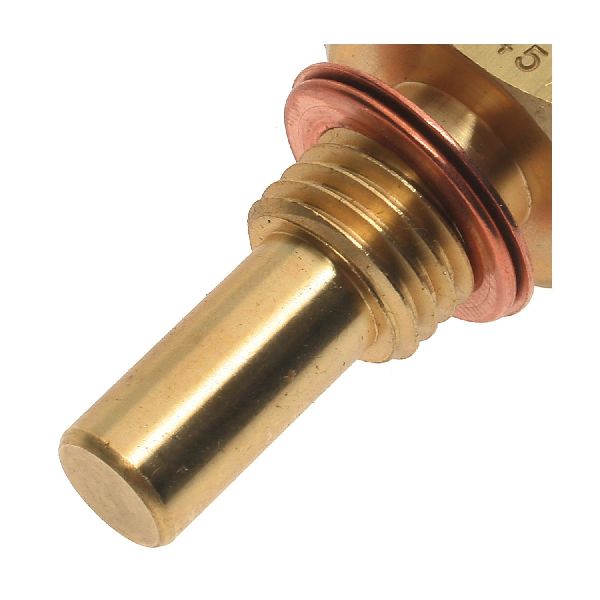
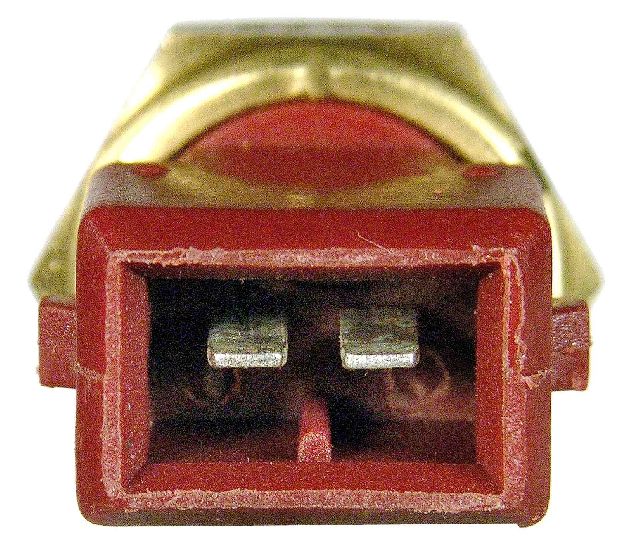
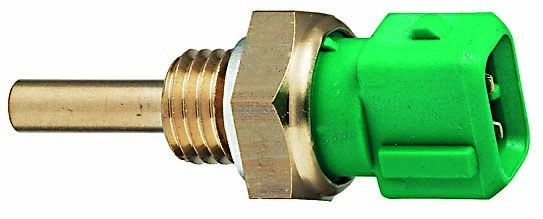
Location: Thermostat Housing. Connector: Typically 2-pin.
We Have This Part in Stock


The information in this article is provided for general reference and educational purposes only. Vehicle specifications, procedures, and part compatibility can vary by production date, trim level, and region. Always consult your vehicle's factory service manual and verify part numbers before purchasing or performing repairs. Safety-critical components such as airbags, seat belts, and braking systems should be installed by a qualified professional.
- Bentley Turbo R: