

Your Guide to the 1988-1992 Audi 80 Alternator
Keep your classic Audi 80's electrical system running strong by choosing the right replacement alternator.
- Symptoms like dimming lights, a battery warning on the dash, and a whining noise point directly to a failing alternator.
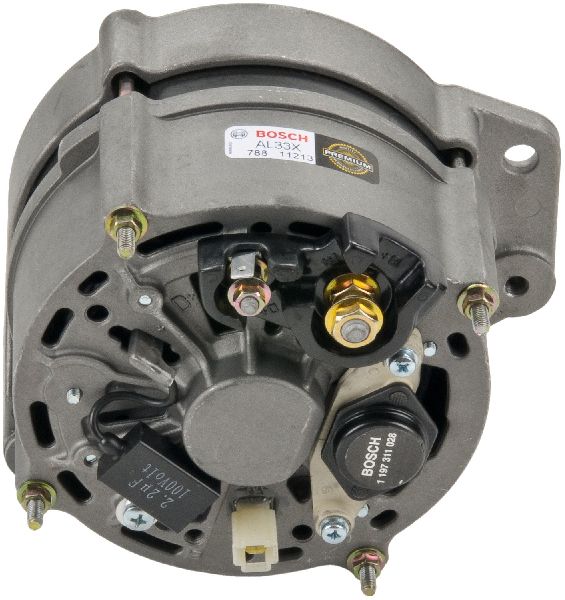
- A new Bosch alternator offers the best quality and reliability, as Bosch was an original supplier for Audi.
- You can drive with a failing alternator, but only for a very short distance until the battery is completely drained and the car stalls.
- There are no known recalls or specific TSBs from Audi for alternator issues on the 1988-1992 Audi 80.
Is Your Audi 80 Alternator Failing?
On a classic car like the 1988-1992 Audi 80, the signs of a failing alternator are usually clear and direct. Because the electrical system is simpler than in modern cars, you can often spot the problem before you get stranded. Watch for these common symptoms:
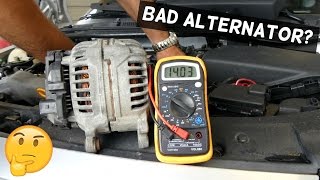
🎬 Watch: How to know if your Audi alternator is bad- Dimming or Flickering Lights: This is a classic sign. You may notice the headlights and dashboard lights get dim when the car is idling, and then brighten up when you press the gas.
- Battery Warning Light: A red light shaped like a battery on your dashboard indicates a problem with the charging system. Sometimes, other warning lights like the engine or coolant light may come on at the same time.
- Weak or Dead Battery: If the alternator isn't recharging the battery, your car will become hard to start. You might find the battery is dead even after a recent replacement or jump-start.
- Strange Noises: A high-pitched whining or a grinding sound coming from the engine area can mean the bearings inside the alternator are worn out and failing.
- Slow Electrical Accessories: Power windows that move slowly, a radio that cuts out, or a weak air conditioner fan can all be signs that the alternator isn't producing enough power.
Choosing the Right Aftermarket Alternator
For a vehicle like the Audi 80, you don't necessarily need to buy an expensive original part from the dealer. High-quality aftermarket alternators offer excellent performance and value. Here’s a breakdown of the available brands:
- Bosch (Premium Choice): Bosch was a major original equipment (OEM) supplier for Audi during this era. Choosing a new or professionally remanufactured Bosch alternator is the closest you can get to the original part's quality and fit. They are highly recommended by mechanics for their reliability in European vehicles.
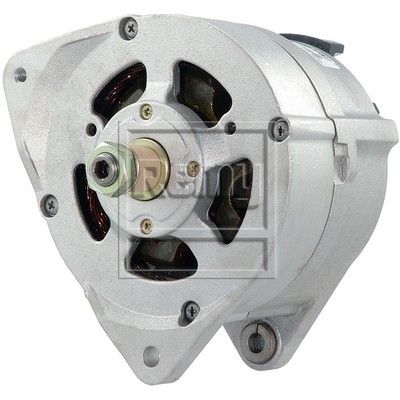
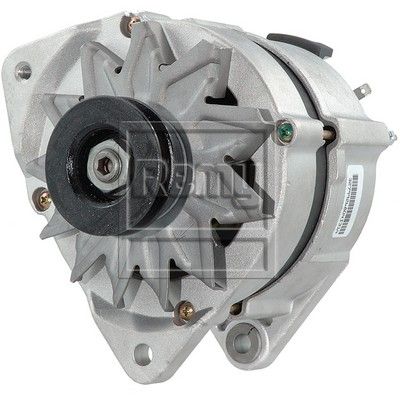
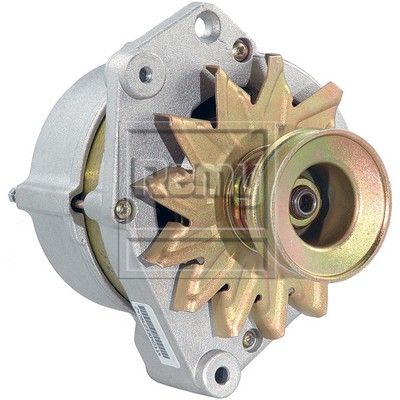
- Remy (Value Choice): Remy is a well-known aftermarket brand that provides a good balance of price and quality. While generally reliable, some owners have reported occasional issues with premature bearing failure on new units. It serves as a solid budget-friendly alternative to Bosch.
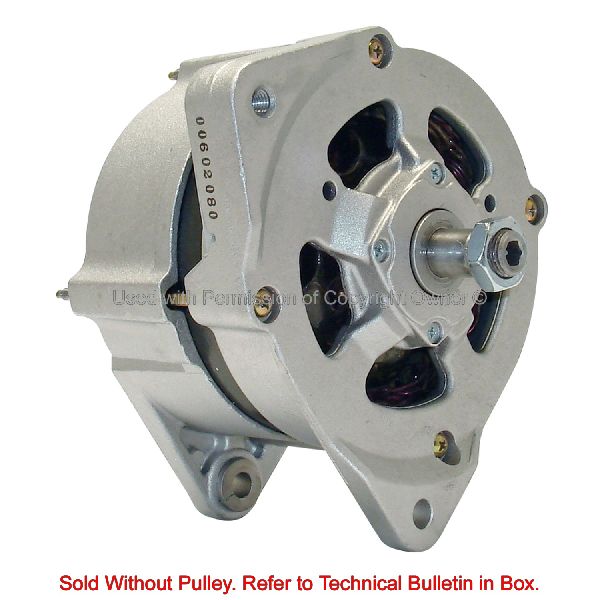
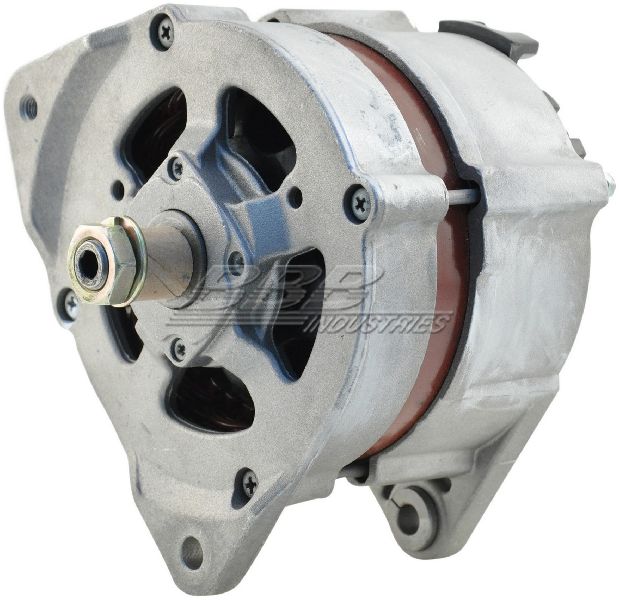
- BBB Industries & MPA (Remanufactured Specialists): These companies are large-scale remanufacturers that supply parts for many store brands. A remanufactured alternator is an original unit that has been rebuilt with new wear-and-tear components like bearings and brushes. Quality can vary, so it's a good idea to buy from a retailer with a good warranty. Pro Tip: If you buy a remanufactured alternator, ask the parts store to test it on their machine before you take it home to ensure it works correctly out of the box.
| Part Type | Estimated Cost |
|---|---|
| New Aftermarket | $136 - $191 |
| Remanufactured Aftermarket | $120 - $180 |
| Shop Labor | $134 - $197 |
| Total Professional Job | $270 - $388 (Aftermarket) |
Frequently Asked Questions
Is it hard to replace the alternator on an Audi 80 myself?
For a DIY mechanic with some experience, it is a manageable job. Access can be tight, and you will need to disconnect the battery, remove the drive belt, and possibly move other components like the air intake hose to reach the alternator's mounting bolts. The job is estimated to take between 1.5 and 2.5 hours.
Are there any recalls for the 1988-1992 Audi 80 alternator?
No. Searches of the National Highway Traffic Safety Administration (NHTSA) database show no open recalls or relevant technical service bulletins (TSBs) for the alternator on the 1988-1992 Audi 80.
What's the difference between a new and a remanufactured alternator?
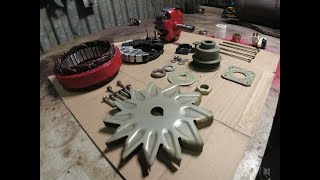
A new alternator is made with 100% new components. A remanufactured alternator is a used OEM core that has been disassembled, cleaned, and rebuilt with new internal wear parts like bearings, brushes, and the voltage regulator. 🎬 Watch this step-by-step Bosch alternator bearing replacement and repair A quality remanufactured unit from a top brand like Bosch can perform just as well as a new one and is a great way to save money.
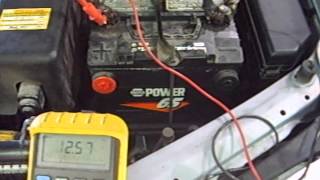
My battery voltage is 11.3V when the engine is running. Is that the alternator?
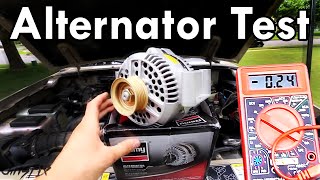
Yes, that is a very strong indication of a failed alternator. A healthy charging system should produce a voltage of around 14 volts when the engine is running to power the car and charge the battery. A reading below 12 volts means the alternator is not producing a charge, 🎬 See how to perform a charging system test with a multimeter and the car is running solely off battery power.
Helpful Videos

Technical Specifications
Amperage: 65A (pre-1991 models) or 90A (post-1991 models). Voltage Output: Approximately 14V. Drive: V-belt or Serpentine Belt.
We Have This Part in Stock

The information in this article is provided for general reference and educational purposes only. Vehicle specifications, procedures, and part compatibility can vary by production date, trim level, and region. Always consult your vehicle's factory service manual and verify part numbers before purchasing or performing repairs. Safety-critical components such as airbags, seat belts, and braking systems should be installed by a qualified professional.
- Audi 80: