

Guide to the 1988-1992 Audi 80 Differential Bearing Set
Address that humming or grinding noise from your drivetrain with the right parts.
- A humming, whining, or grinding noise that changes with speed is the primary symptom of a failing differential bearing.
- A recall was issued for these models due to oil loss, which causes premature bearing failure; using high-quality fluid is critical.
- Timken is a trusted, OEM-quality aftermarket brand for these bearings.
- This is a complex, labor-intensive repair that should be performed by a professional mechanic.
Signs of a Failing Differential Bearing Set
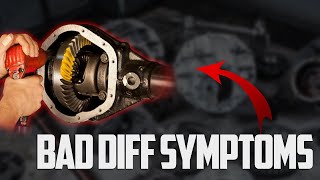
Worn differential bearings make specific noises that change with your speed. It's important to distinguish these sounds from other issues like bad wheel bearings. A failing differential bearing often starts as a humming or whining sound. 🎬 Watch this video to learn more about common bad differential symptoms. As the wear gets worse, it can turn into a grinding or rumbling noise. You might notice the noise is loudest at specific speeds. In Quattro models, this noise could come from the front or the rear of the car depending on which differential is failing.
Don't Ignore the Noise
A noisy bearing is a bearing that has failed. Continuing to drive can cause the bearing to break apart, sending metal fragments through the differential. This can destroy the gears, leading to a much more expensive repair. In a worst-case scenario, the differential could lock up, which is a serious safety hazard.
Is There a Recall on the Audi 80 Differential?
Yes, there was a recall for the 1988-1992 Audi 80 related to the differential. NHTSA campaign number 25030 notes that differential oil could be lost over time due to evaporation. This low oil level leads to premature wear on the bearings and gears, eventually causing failure. The remedy was to replace the gear oil with a higher-performance version. While this recall is very old, it highlights the importance of using high-quality fluid and checking for leaks, as worn seals are a common problem on these cars.
Choosing Your Aftermarket Bearings: Timken
For a vehicle like the 1988-1992 Audi 80, finding original equipment (OEM) parts can be difficult and expensive. The good news is that high-quality aftermarket brands are available. Timken is a well-known and trusted name in the bearing industry. Mechanics widely consider Timken to be an industry-standard, OEM-quality supplier, and they are used in heavy-duty applications. For your Audi 80, a Timken differential bearing set is a reliable choice that meets or exceeds the quality of the original parts. While some brands may re-box parts from other manufacturers, Timken has a long-standing reputation for quality engineering.
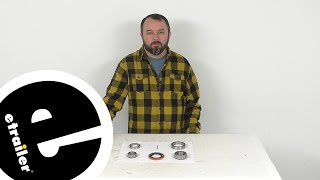
🎬 See a detailed review of a Timken bearing and race kit.Pro Tip: Replace in Sets
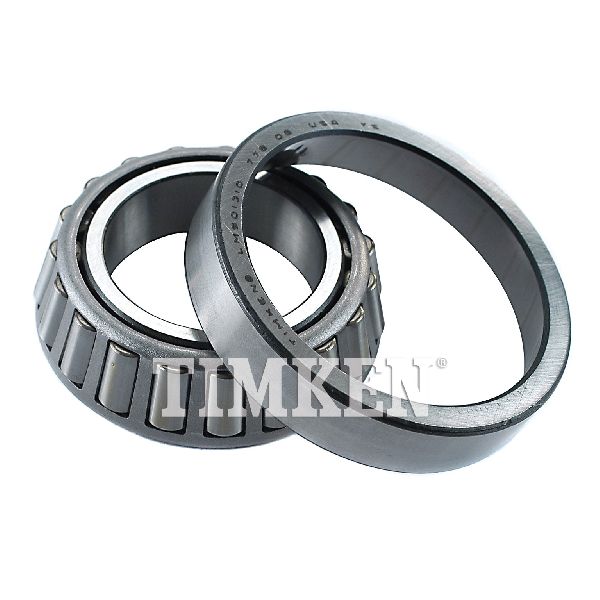
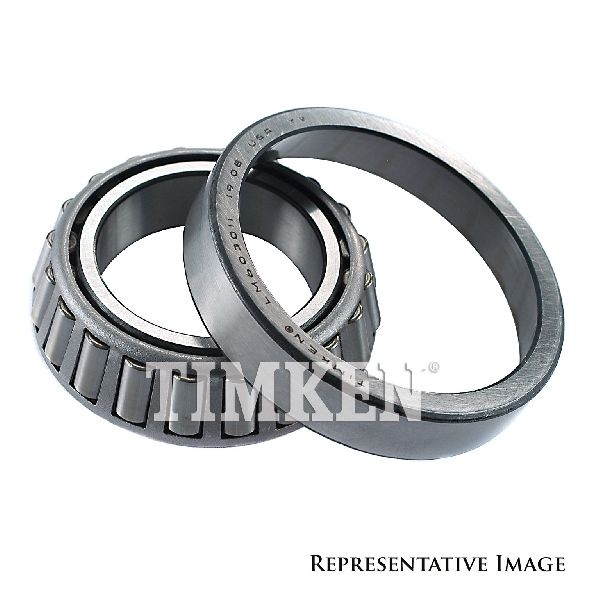
A differential bearing set includes the tapered bearing and the matching race (also called a cup). It is critical to replace both the bearing and the race together. Never install a new bearing with an old race, as this will lead to rapid failure.
Replacement Cost
Replacing differential bearings is a labor-intensive job that requires special tools. It is not typically a DIY project for beginners. The parts themselves are affordable, but the labor will be the largest part of the cost.
| Part/Service | Estimated Cost |
|---|---|
| New Aftermarket Differential Bearing Set (Timken) | $35 - $40 |
| Shop Labor | $600 - $1200+ |
| Total Estimated Cost | $635 - $1240+ |
Note: Costs are estimates and can vary based on your location and the specific shop. Labor costs are high because the transaxle or rear differential must be removed from the vehicle and disassembled.
Frequently Asked Questions
Is this a front or rear differential part?
This depends on your Audi 80. If you have a front-wheel-drive model, the differential is inside the transaxle at the front of the car. If you have a Quattro model, you have a front differential (in the transaxle) and a rear differential. Bearing sets are available for both locations. Make sure you order the correct part for the location that needs repair.
Can I replace just the bearings, or do I need a whole new differential?
If you catch the problem early when it's just a noise, you can typically just replace the bearings and seals. However, if you've driven on it for a long time, the failed bearing may have damaged the gears. In that case, a used or rebuilt differential might be a better option.
Is this a DIY job?
Replacing differential bearings is an advanced-level job. It requires removing the differential from the car, a hydraulic press to install the bearings, and special tools to set the correct gear backlash and bearing preload. For most owners, this job is best left to a professional mechanic with experience working on Audi or VW transaxles.
What else should I replace at the same time?
While the differential is out, it is a perfect time to replace all the seals, including the axle seals and the input shaft seal. You should also change the differential fluid. Using a high-quality synthetic gear oil is recommended, especially given the history of the original fluid.
Helpful Videos
Technical Specifications
The set includes a tapered roller bearing and a matching bearing race (cup). Specific part numbers will vary depending on whether it is for the front transaxle or the rear differential on Quattro models.
We Have This Part in Stock

The information in this article is provided for general reference and educational purposes only. Vehicle specifications, procedures, and part compatibility can vary by production date, trim level, and region. Always consult your vehicle's factory service manual and verify part numbers before purchasing or performing repairs. Safety-critical components such as airbags, seat belts, and braking systems should be installed by a qualified professional.
- Audi 80: