

Choosing the Right Spark Plugs for Your 1988-1992 Audi 80
Get your classic Audi 80 running smoothly with the correct new aftermarket spark plugs.
- Bosch and NGK are the most recommended aftermarket brands, often matching original equipment quality for the Audi 80.
- Replacement is a simple DIY task that can be done in under an hour with basic tools.
- Symptoms of failure include rough idle, poor acceleration, and difficulty starting.
- For this vehicle, standard copper or platinum plugs provide the best balance of performance and value.
Symptoms of Failing Spark Plugs
When your Audi 80's spark plugs are worn out, your car will tell you. The signs can be subtle at first but will get worse over time. Ignoring them can lead to poor performance and potentially harm other engine components.
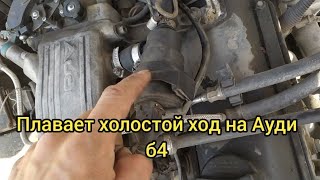
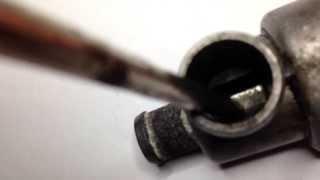
- Rough Idle: The engine may shake or vibrate more than usual when the car is stopped. 🎬 See how failing components can cause a rough or surging idle.
- Difficulty Starting: A weak spark from a worn plug can make it hard for the engine to turn over.
- Engine Misfires: You might feel a hesitation or stumbling from the engine, especially under acceleration. A failing plug may only work sometimes, causing an intermittent misfire.
- Reduced Fuel Economy: Worn plugs lead to inefficient fuel combustion, meaning you'll use more gas.
- Poor Acceleration: Your car may feel sluggish or less powerful than it used to be.
Choosing the Right Aftermarket Spark Plugs
For a 1988-1992 Audi 80, you don't need the most expensive, high-tech spark plugs. The original plugs were a simpler design, and sticking with a quality equivalent is the best approach. Both Bosch and NGK were used as original equipment for Audis of this era, making them excellent choices.
Brand Quality Tiers
When shopping for new aftermarket spark plugs, you'll find several trusted brands available.
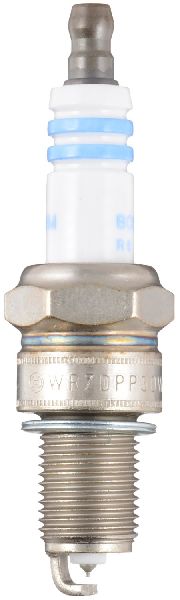
- Top Tier (OEM Equivalents): Bosch and NGK are highly recommended for European vehicles like your Audi 80. Bosch is a German brand known for performance and reliability, while NGK is a Japanese brand with a strong reputation for quality and durability. Many owners stick with these two brands and have good experiences.
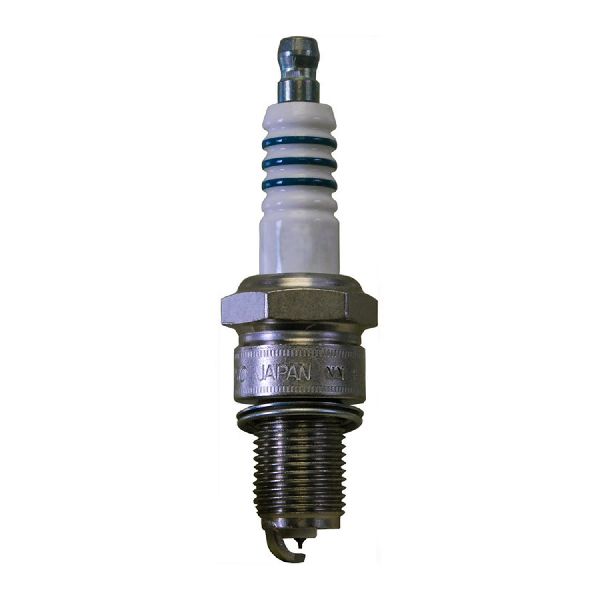
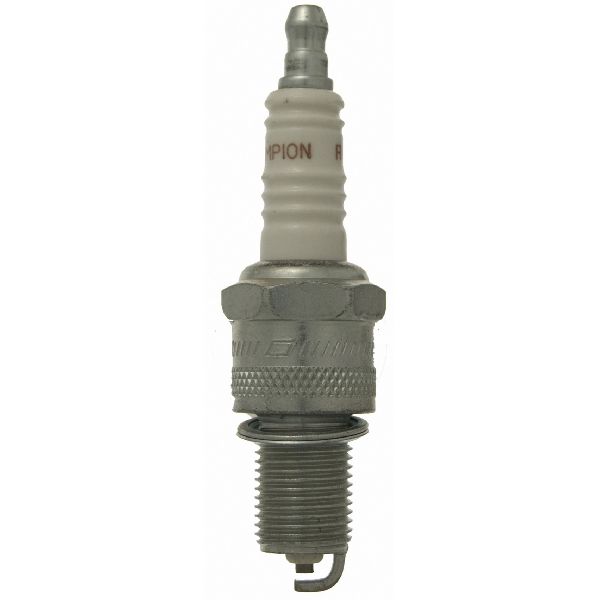
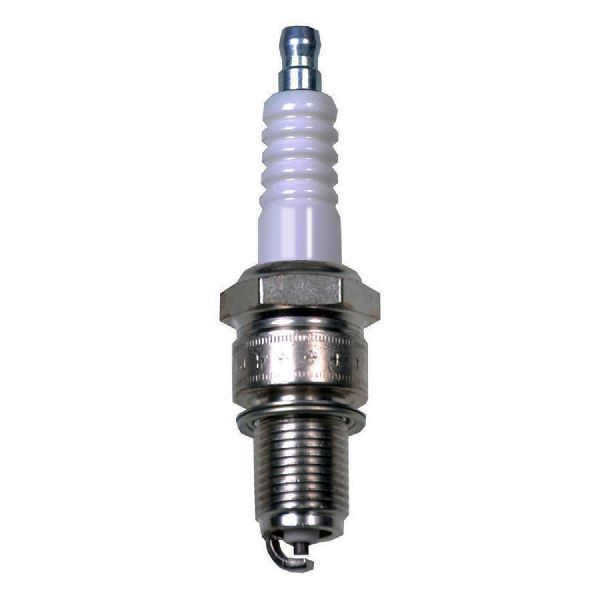
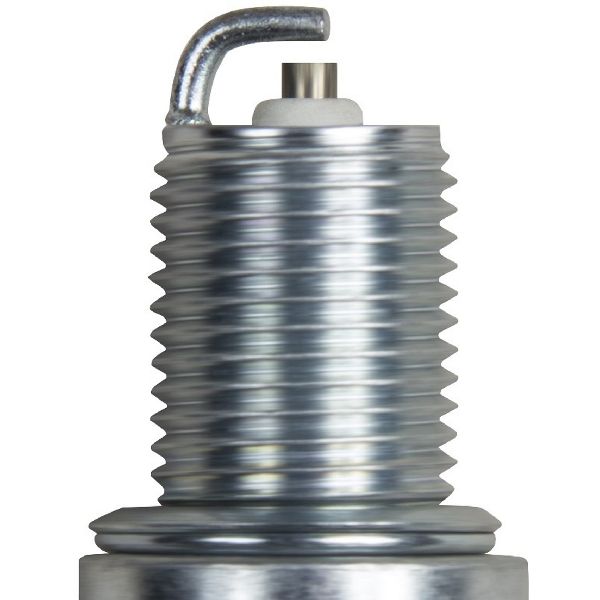
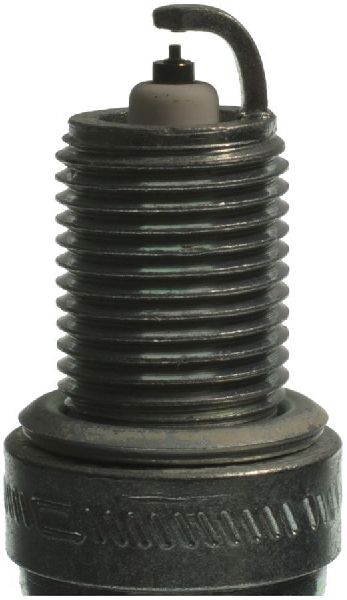
- Mid-Grade (Reliable Alternatives): Denso and Champion are also well-regarded manufacturers. Denso is known for advanced technology and long-lasting iridium plugs, while Champion is an established American brand that makes quality copper plugs that work well in older vehicles.
- Economy: Brands like Autolite offer a budget-friendly option. While they meet basic requirements, they may not offer the same longevity or performance consistency as the top-tier brands.
Pro Tip: Material Matters
For the Audi 80, standard copper or platinum plugs are a great choice. Copper plugs are affordable and conduct electricity well but wear out faster. Platinum plugs cost a bit more but offer a longer service life. More modern and expensive Iridium plugs can last up to 100,000 miles, but may be unnecessary for this vehicle's ignition system.
Known Issues, Recalls, and Service Bulletins
There are no specific recalls or technical service bulletins (TSBs) from the NHTSA related to spark plugs for the 1988-1992 Audi 80. This is a standard maintenance part. Any issues are typically related to normal wear and tear or problems elsewhere in the ignition system, like faulty spark plug wires or a worn distributor cap.
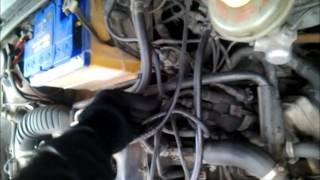
🎬 Watch a detailed teardown of the classic Audi 5-cylinder engine.Aftermarket Spark Plug Cost for 1988-1992 Audi 80
| Part Tier | Price Range (Per Plug) |
|---|---|
| Top Tier (Bosch, NGK) | $5.00 - $15.50 |
| Mid-Grade (Denso, Champion) | $4.00 - $11.00 |
| Economy (Autolite) | $3.50 - $8.00 |
*Pricing is approximate and can vary based on material (copper, platinum, iridium) and retailer.
Frequently Asked Questions (FAQ)
Can I replace the spark plugs on my Audi 80 myself?
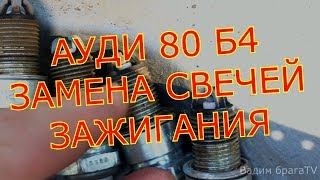
Yes, this is a very DIY-friendly job. 🎬 Watch this step-by-step guide on replacing your Audi 80 spark plugs. You will need a ratchet, an extension, and a specific spark plug socket (usually 20.8mm or 21mm for these engines). The key is to work on a cold engine, clean the area around the plugs before removing them, and tighten the new plugs to the correct torque (around 25 Nm). Do not overtighten them, as this can damage the engine's cylinder head.
Do I need to gap the new spark plugs?
Sometimes. Many modern plugs, especially platinum and iridium types, come pre-gapped and should not be adjusted. However, it is always a good practice to check the gap with a feeler gauge to ensure it matches your vehicle's specification (e.g., .032 inches for the 2.3L engine). If you buy basic copper plugs, you will likely need to gap them yourself.
How often should I change the spark plugs?
For this era of vehicle, a good interval for standard copper or platinum plugs is every 30,000 to 60,000 miles. If you use long-life iridium plugs, they can last longer, but it's still wise to inspect them periodically. Check your owner's manual for the specific recommendation for your engine.
Should I use anti-seize on the plug threads?
This is a topic of debate, but many mechanics recommend a very thin layer of high-temperature anti-seize lubricant on the threads of the new plugs. This helps prevent the plugs from getting stuck in the aluminum cylinder head. However, some plug manufacturers, like NGK, advise against it because their plugs have a special plating that prevents seizing. If you do use anti-seize, be careful not to get any on the electrode.
Helpful Videos
Technical Specifications
Thread Diameter: 14 mm. Spark Plug Gap: ~0.032 in (0.8 mm). Tightening Torque: 25 Nm. Socket Hex Size: 20.8 mm.
We Have This Part in Stock

The information in this article is provided for general reference and educational purposes only. Vehicle specifications, procedures, and part compatibility can vary by production date, trim level, and region. Always consult your vehicle's factory service manual and verify part numbers before purchasing or performing repairs. Safety-critical components such as airbags, seat belts, and braking systems should be installed by a qualified professional.
- Audi 80: