

A/C Condenser Guide for the 1988-1992 BMW E30 M3
Keep your classic M3's cabin cool by understanding your A/C condenser options.
- A modern 'parallel flow' condenser is essential for cars converted to R134a refrigerant to get cold air.
- Always replace the receiver/drier and O-rings when replacing the condenser.
- Nissens is a highly recommended aftermarket brand that offers a direct-fit parallel flow unit for the E30.
- Refrigerant must be legally recovered by a shop before work begins and the system must be professionally vacuumed and recharged after.
Symptoms of a Failing A/C Condenser
A bad or failing A/C condenser will prevent your air conditioning from cooling properly. Here are the most common signs to watch for:
- Poor or No Cooling: This is the most obvious symptom. If the condenser is clogged, damaged, or leaking, it cannot cool the refrigerant effectively, resulting in warm air from your vents.
- Visible Leaks or Damage: You might see physical damage like bent or broken fins from road debris. Leaks can sometimes be visible as an oily residue on the condenser's surface, which is a mix of refrigerant and A/C oil.
- A/C System Warning Lights: While less common on the E30 M3, on some vehicles, pressure issues caused by a faulty condenser can trigger system warnings.
- Overheating at Idle: The condenser sits in front of the radiator. If it's severely clogged with dirt and debris, it can block airflow to the engine's radiator, potentially causing the car to run hot when stationary.
Choosing the Right Aftermarket Condenser
For a classic like the 1988-1992 E30 M3, finding new OEM (Original Equipment Manufacturer) parts can be difficult and expensive. Aftermarket condensers are often the most practical choice. The most important factor for this car is the switch from the original R12 refrigerant to modern R134a. R134a requires a more efficient condenser to provide adequate cooling.
Pro Tip: Parallel Flow is a Must for R134a Conversions
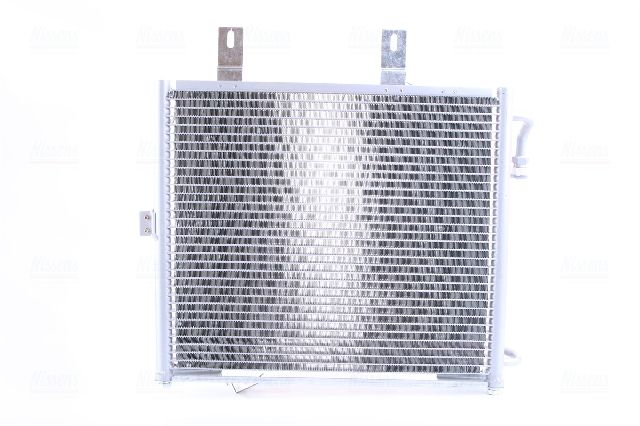
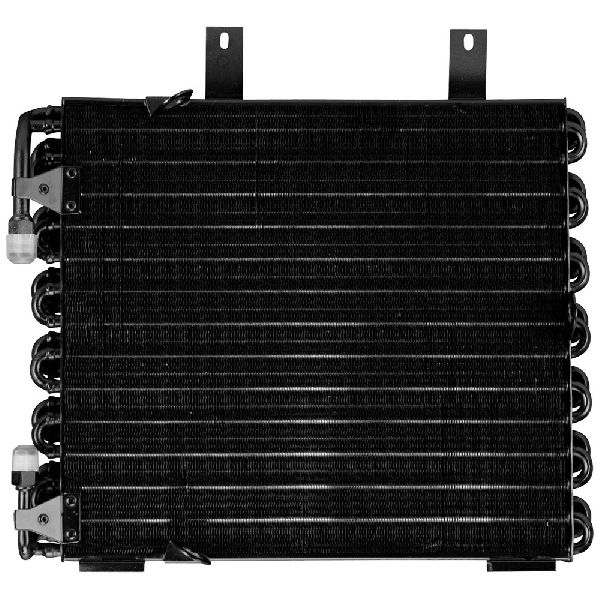
The original E30 M3 used a serpentine or tube-and-fin style condenser designed for R12 refrigerant. If your car has been converted to R134a (which is highly likely), you need a modern "parallel flow" condenser. These are much more efficient and are essential to get cold air with R134a. Fortunately, brands like Nissens offer direct-fit parallel flow condensers for the E30 chassis.
Aftermarket Brand Tiers
When shopping for an aftermarket condenser, you'll find several brands available. Here’s a general breakdown of quality:
- Premium Aftermarket (Nissens): Nissens is a well-regarded European brand, often considered near-OEM quality. They are known for making reliable parts and, importantly, offer a parallel-flow condenser that is a direct-fit replacement for the E30, making it a top choice for R134a conversions.
- Standard Aftermarket (APDI, Global Parts): These brands provide a more budget-friendly option. While they are functional, they may not have the same long-term durability or precise fitment as premium brands. For a high-performance classic like the M3, investing in a higher-quality condenser is often recommended for better cooling performance and longevity.
A Note on OEM Parts
A new OEM condenser for a vehicle of this age is likely no longer available from BMW. If you find one, it will be extremely expensive. A used OEM condenser is an option but carries risk, as you don't know its history and it could fail shortly after installation.
Cost of Replacing an E30 M3 A/C Condenser
The cost can vary based on the parts you choose and who does the labor. Here are some general estimates for the US market.
| Part/Service | Estimated Cost |
|---|---|
| New Aftermarket Condenser | $169 - $322 |
| Shop Labor (including system evacuation and recharge) | $394 - $578 |
| Total Estimated Cost | $563 - $900 |
Note: Prices are estimates and can vary by location and shop. These costs do not include a full R134a conversion if not already performed.
Frequently Asked Questions
Do I need to replace other parts with the condenser?
Yes. Any time the A/C system is opened, you must replace the receiver/drier (also called an accumulator). The drier contains a desiccant that absorbs moisture, and it becomes saturated once exposed to air. It's also wise to replace all the rubber O-rings at the connections you open to ensure a good seal with the new components.
What is an R134a conversion and does it affect my choice?
Your M3 originally used R12 refrigerant, which is no longer available. Nearly all cars of this age have been converted to the modern R134a standard. This is critical because R134a is less efficient and requires a modern parallel-flow condenser to provide cold air. If you are replacing your condenser, you must buy a parallel-flow model. You should also ensure your system has the correct R134a service ports and compatible oil (PAG or Ester).
🎬 Learn how a Sanden compressor conversion can improve your system.Can I replace the A/C condenser myself?
While the physical replacement is possible for an experienced DIY mechanic, handling refrigerant requires special equipment. The law requires that any remaining refrigerant be recovered by a certified shop with a special machine before you start work. After installation, the system must be put under a deep vacuum to remove moisture before being recharged with the precise amount of refrigerant and oil. For these reasons, the final steps of the job must be done by a professional A/C shop.
Are there any recalls for the 1988-1992 M3 A/C system?
No, there are no specific recalls or technical service bulletins (TSBs) from the NHTSA or BMW for the A/C condenser on the 1988-1992 E30 M3. Any issues today are typically due to age-related wear and tear.
Helpful Videos
Technical Specifications
OEM Part Numbers: 64538391509 64583191509
For cars converted to R134a, a parallel-flow design is required for efficient cooling. The original design was a serpentine or tube-and-fin style.
We Have This Part in Stock

The information in this article is provided for general reference and educational purposes only. Vehicle specifications, procedures, and part compatibility can vary by production date, trim level, and region. Always consult your vehicle's factory service manual and verify part numbers before purchasing or performing repairs. Safety-critical components such as airbags, seat belts, and braking systems should be installed by a qualified professional.
- BMW M3: