

Eagle Premier HVAC Heater Hose: A Replacement Guide for 1988-1992 Models
Leaking coolant or no heat in your Eagle Premier? Your heater hoses may be the culprit—here's what you need to know before you buy.
- Be aware of the major NHTSA recalls for heater core rupture on this platform; a failing hose could be a symptom of excessive system pressure.
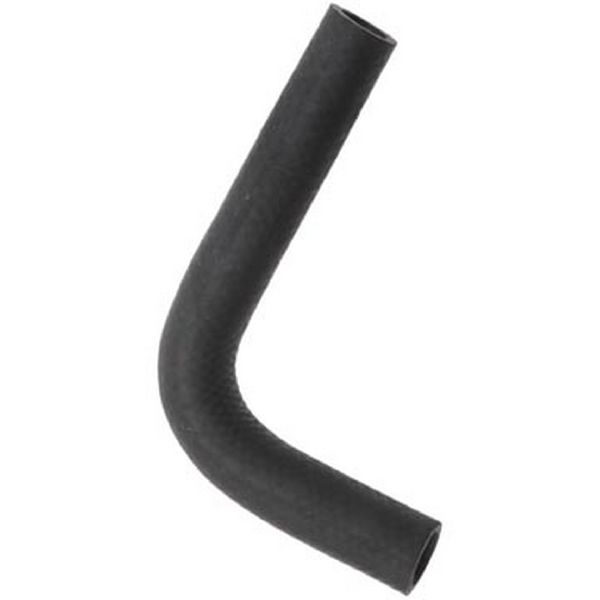
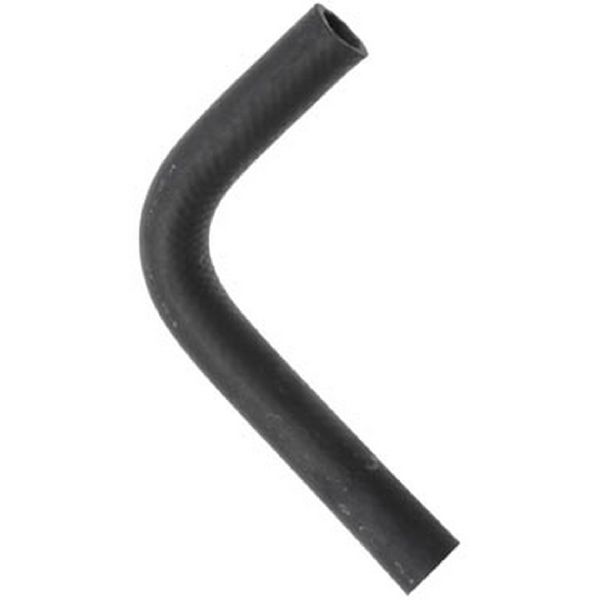
- Only molded aftermarket hoses are available. Choose a reputable brand like Gates, Continental, or Dayco to ensure proper fit and avoid kinks.
- Always replace heater hoses in pairs and install new hose clamps to prevent future leaks.
- Do not drive with a leaking heater hose. Rapid coolant loss can lead to critical engine overheating and severe damage.
Symptoms of a Failing Heater Hose
Heater hoses are made from rubber that breaks down over decades of exposure to high temperatures, pressure, and chemicals. On a vehicle like the Eagle Premier, these hoses are well past their expected service life. Failure is a matter of when, not if. Watch for these clear signs:
- Coolant Leaks: This is the most obvious symptom. You may find puddles of green or pinkish fluid under your car, often near the back of the engine bay by the firewall (the wall between the engine and the passenger cabin).
- Sweet Smell: A distinct sweet, syrupy smell inside or outside the car is the unmistakable scent of leaking antifreeze (coolant). You may smell this even if you can't see a puddle.
- Visible Hose Damage: Inspect the hoses running from the engine to the firewall. Look for cracks, splits, bulging, or sections that feel unusually soft, spongy, or excessively hard and brittle.
- Engine Overheating: A significant leak from a heater hose will cause a rapid loss of coolant. If the engine's temperature gauge climbs into the red, pull over immediately to prevent catastrophic engine damage.
- No Cabin Heat: If a hose is clogged or the system is low on coolant from a leak, the heater core won't get hot, leaving you with cold air blowing from the vents.
- Foggy Interior Windows: If a leak from the heater core or its hose connections is severe, it can spray a fine mist of hot coolant into the HVAC case, which then fogs up the inside of your windows.
Known Issues: Heater Core Recalls for the Eagle Premier Platform
The Eagle Premier and its twin, the 1990-1992 Dodge Monaco, were subject to significant NHTSA safety recalls related to the heating system. While not for the hoses themselves, these issues create excess pressure that can cause hoses to fail.
- NHTSA Campaign #88V087000: Affecting early models, this recall addressed an inadequate cooling system pressure cap that could fail to vent properly, leading to pressure buildup that could rupture the heater core.
- NHTSA Campaign #94V006000: This recall was for heater core end caps that could rupture, allowing hot coolant to spray into the passenger compartment near the driver's feet. The fix involved installing a bypass valve to control coolant temperature.
Because of this history, it is critical to ensure your cooling system is in good health. A failing hose could be a symptom of a larger pressure problem. When replacing hoses, it's wise to also inspect your radiator cap and the rest of the cooling system.
Choosing the Right Aftermarket Heater Hose
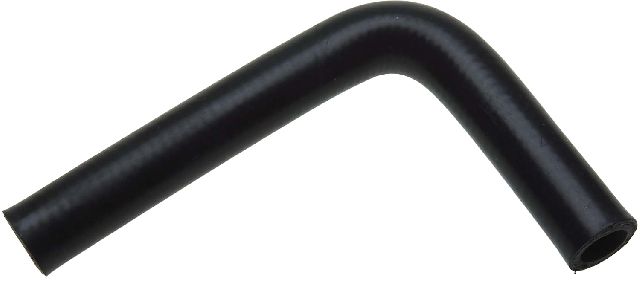
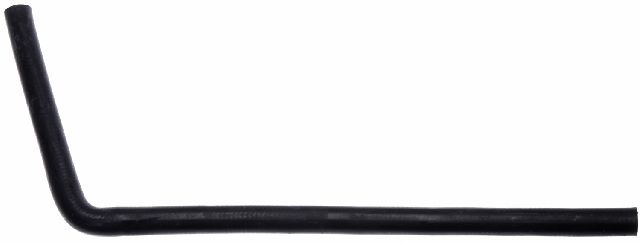
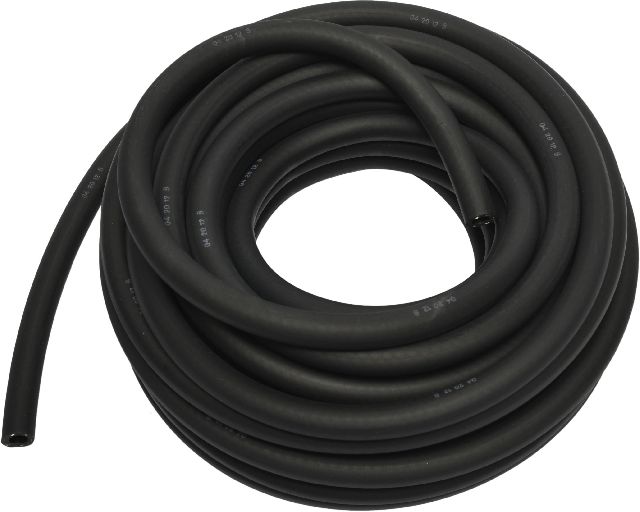
Original equipment (OEM) Mopar heater hoses for the Eagle Premier have been discontinued for many years. Fortunately, high-quality aftermarket replacements are readily available and are your only option. The most important factor is to buy a molded hose specifically listed for your 1988-1992 Eagle Premier. Using a generic, straight piece of hose will cause it to kink, blocking coolant flow and leading to overheating or no heat.
Here’s a breakdown of the available brands:
- Gates: Often considered a top-tier aftermarket brand, Gates is frequently praised in forums for providing good fitment that matches the original part's bends. They are a reliable choice for quality and durability.
- Continental (ContiTech): Another premium brand that is known for producing OEM-quality parts. Continental hoses are a solid choice if available for your specific application.
- Dayco: Dayco is a well-known and widely available brand that offers a serviceable, budget-friendly option. Some mechanics note that Dayco hoses can sometimes be slightly thicker than other brands, but fitment is generally acceptable.
Pro Tip: Always replace heater hoses in pairs. They have been exposed to the same heat and age, so if one has failed, the other is likely not far behind. It is also highly recommended to replace the spring or worm-gear clamps at the same time to ensure a tight, leak-free seal on the new hoses.
| Part/Service | Estimated Cost |
|---|---|
| New Aftermarket Heater Hose (Single) | $11.67 - $41.00 |
| New Aftermarket Heater Hose (Set of 2+) | $25.00 - $70.61 |
| Shop Labor | $120 - $250 |
| Total Professional Replacement | $145 - $320 |
Frequently Asked Questions (FAQ)
Is it difficult to replace the heater hoses on an Eagle Premier?
For a DIYer with some experience, the job is manageable. The main challenge is access. The hoses connect to the heater core at the firewall, which is a tight space at the back of the engine bay. You will need to drain the coolant, and having hose clamp pliers will make removing the old clamps much easier. The job can take around 1-3 hours depending on your skill level and the condition of the old clamps.
Why are my windows suddenly fogging up?
If your windows fog up with a greasy or steamy film that is hard to wipe away, it's a classic sign of a heater core or heater hose leak inside the car. The hot, vaporized coolant is entering the cabin through the vents. This is a serious issue, as antifreeze is toxic to breathe.
My heater blows cold, but the hoses are hot. What's wrong?
If both heater hoses are hot to the touch after the engine has warmed up, it means hot coolant is circulating to the heater core. The problem is likely not the hoses, but rather a blend door actuator inside your dashboard that is stuck on the 'cold' setting and not directing air through the hot heater core.
One heater hose is hot and the other is cold. What does that mean?
This is a tell-tale sign of a clogged heater core. Coolant is flowing *to* the core through the hot inlet hose, but it cannot flow *through* it and out the other side. This blockage prevents the core from heating up properly.
What type of coolant should I use for my Eagle Premier?
For this era of vehicle, you should use a traditional green, conventional (IAT) antifreeze. Always mix it 50/50 with distilled water before refilling the system after the repair. Do not use modern coolants like DEX-COOL (orange) or HOAT (pink/purple) unless the entire system has been professionally flushed and converted.
Technical Specifications
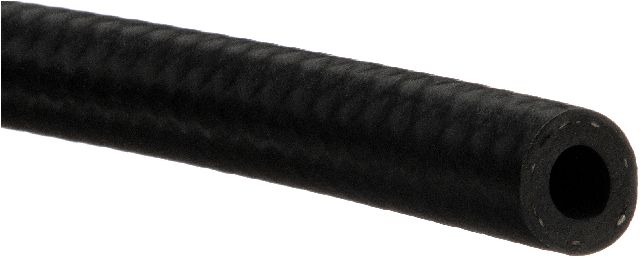
Vehicle-specific molded rubber hoses, typically made from EPDM (ethylene propylene diene monomer) to resist heat and chemicals. May include plastic T-connectors depending on the specific hose assembly.
We Have This Part in Stock

The information in this article is provided for general reference and educational purposes only. Vehicle specifications, procedures, and part compatibility can vary by production date, trim level, and region. Always consult your vehicle's factory service manual and verify part numbers before purchasing or performing repairs. Safety-critical components such as airbags, seat belts, and braking systems should be installed by a qualified professional.
- Eagle Premier: