

A Practical Guide to Fuel Injectors for the 1988-1992 Mazda 626
Solve rough idling and poor performance by understanding how to choose the right fuel injectors for your 626.
- Confirm if your 626 has the 2.2L turbo or non-turbo engine, as the injectors are different.
- Replacing all four injectors at once is the best practice for balanced engine performance.
- Always use new O-rings and seals when installing injectors to prevent dangerous fuel leaks.
- Be very cautious with remanufactured injector brands, as some have a poor reputation for reliability.
Is Your Mazda 626 Showing Signs of Failing Fuel Injectors?
When fuel injectors start to fail, the signs can range from annoying to serious. An injector can become clogged with fuel deposits over time, get stuck open, or fail electronically. If your 626 has been sitting for a long time, the injectors can become gummed up. Watch for these common symptoms:
- Rough Idle or Engine Stalling: The engine may shake or stutter when you're stopped. In some cases, it may stall completely.
- Engine Misfires: You might feel a hesitation or stumble during acceleration because a cylinder isn't firing correctly.
- Poor Fuel Economy: If you're filling up your gas tank more often, a leaking or inefficient injector could be wasting fuel.
- Hard Starting: The engine may crank for a long time before it starts, especially when it's warm, which can be a sign of a leaky injector.
- Fuel Smell: A strong smell of gasoline around the engine bay is a serious warning sign of a fuel leak from a bad injector body or seal. This is a fire hazard and should be addressed immediately.
Choosing the Right Aftermarket Fuel Injector
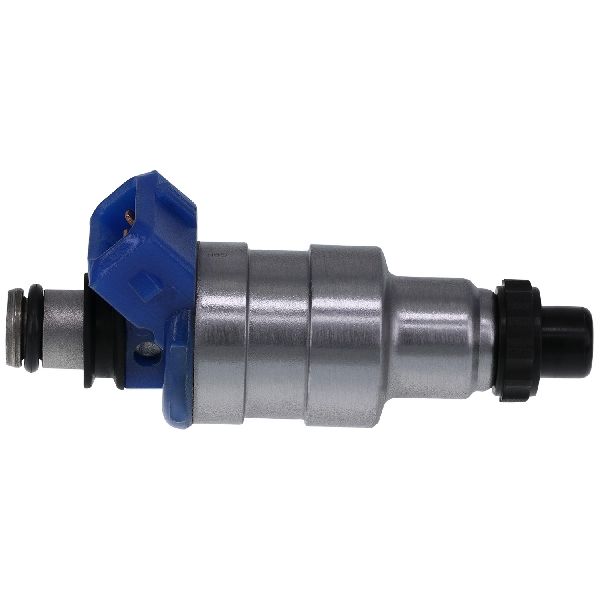
When shopping for new fuel injectors for your 1988-1992 626, you will find new aftermarket and remanufactured options. It is critical to know the difference and understand brand reputation.
Pro Tip: Your 626 came with either a 2.2L non-turbo (F2) or a 2.2L turbo (F2T) engine. These engines use different fuel injectors with different flow rates. Always confirm your engine type before ordering parts. Using the wrong injector can cause poor performance or engine damage.
Brand Quality: New vs. Remanufactured
Standard Ignition (New Aftermarket): Standard Ignition, also known as Standard Motor Products (SMP), is a well-known aftermarket brand. They produce new fuel injectors that are designed to meet or exceed original performance. Customer reviews are mixed; some users report they work perfectly for years, while others have experienced failures out of the box. They are generally considered a viable option if you prefer a new part over a remanufactured one.
GBR Fuel Injection (Remanufactured): GBR, or GB Remanufacturing, specializes in rebuilding original equipment (OEM) injectors. However, owner experiences found online are consistently negative. Multiple reports describe injectors that were defective upon arrival or failed shortly after installation, often by getting stuck wide open. A stuck-open injector can dump raw fuel into a cylinder, potentially causing engine damage. Based on these reviews, this brand presents a significant risk.
A Note on Remanufactured Parts
While remanufactured parts can be a budget-friendly choice, the quality varies greatly by brand. For a critical component like a fuel injector, a faulty part can lead to more expensive repairs. An alternative is to send your original Mazda injectors to a professional cleaning service. They can be cleaned, flow-tested, and fitted with new seals, which is often a reliable option.
Cost of Replacing Mazda 626 Fuel Injectors
The total cost depends on the parts you choose and whether you do the work yourself. The job is manageable for a DIYer with basic tools. A shop will typically charge for 1.5 to 2.5 hours of labor.
| Part Type | Estimated Cost (Set of 4) |
|---|---|
| New Aftermarket | $230 - $680 |
| Remanufactured | $100 - $250 |
| Used OEM | $40 - $100 |
| Shop Labor | $180 - $350 |
Frequently Asked Questions
Should I replace one injector or all four?
It is highly recommended to replace all four injectors at the same time. Fuel injectors wear out at a similar rate. If one has failed, the others are likely not far behind. Replacing them as a set ensures balanced fuel delivery and saves you from having to do the same job again soon.
Do I need any other parts for the job?
Yes. Always install new O-rings and seals with your new injectors. These seals prevent fuel leaks at the fuel rail and air leaks at the intake manifold. Most new and remanufactured injectors come with new seals included. It's also a good time to consider replacing your fuel filter if it hasn't been done recently.
Are there any recalls for the 1988-1992 626 fuel injectors?
No. Searches of the National Highway Traffic Safety Administration (NHTSA) database show no safety recalls specifically for fuel injectors on the 1988-1992 Mazda 626.
How do I test my old fuel injectors?
You can perform a basic electrical test with a multimeter to check the injector's internal resistance; it should be between 12 and 16 ohms. You can also listen for a clicking sound from each injector with the engine running to see if it's activating. However, these tests won't tell you if an injector is clogged or leaking. A professional flow test is the most definitive way to diagnose performance.
Technical Specifications
OEM Part Numbers: FEJ113250 195500-1280 E92Z9F593A 195500-1970 195500-1650
Engine compatibility is critical. The 1988-1992 Mazda 626 used a 2.2L 12-valve SOHC engine (F2) in both naturally aspirated and turbocharged (F2T) versions. Part numbers differ between these two engine types. For example, 195500-1280 is often listed for non-turbo models, while 195500-1650 is associated with turbo models. Always verify the part number against your vehicle's specific engine.
We Have This Part in Stock


The information in this article is provided for general reference and educational purposes only. Vehicle specifications, procedures, and part compatibility can vary by production date, trim level, and region. Always consult your vehicle's factory service manual and verify part numbers before purchasing or performing repairs. Safety-critical components such as airbags, seat belts, and braking systems should be installed by a qualified professional.
- Mazda 626: