

1988-1992 Toyota Corolla Oxygen Sensor: Replacement and Brand Guide
Keep your classic Corolla running efficiently by understanding its oxygen sensor needs and choosing the right replacement part.
- A failing oxygen sensor will cause a Check Engine Light (Code 21), poor gas mileage, and rough idling.
- For best results and longevity, choose a direct-fit sensor from Denso (the OEM supplier) or NGK/NTK.
- This is a simple and inexpensive DIY replacement for most owners, requiring a special O2 sensor socket.
- Your 1988-1992 Corolla has only one upstream oxygen sensor located in the exhaust manifold.
Signs of a Failing Oxygen Sensor
When the oxygen sensor in your 1988-1992 Corolla starts to fail, it can't send accurate information to the engine computer. This can cause several noticeable problems. Because the sensor can no longer help the computer regulate the air-fuel mixture, you will likely experience poor engine performance.
- Check Engine Light: This is the most common indicator. For this generation of Corolla (which uses OBD-I diagnostics), a failing oxygen sensor will typically trigger fault code 21.
- Poor Fuel Economy: An incorrect air-fuel mixture caused by a bad sensor will make the engine burn more fuel than necessary.
- Rough Idle and Stalling: The engine may run unevenly or stall when stopped because the computer can't maintain a stable mixture.
- Failed Emissions Test: A bad O2 sensor leads to increased emissions, which will cause your vehicle to fail a smog check.
- Bad Smell: You might notice a "rotten egg" or sulfur-like smell from the exhaust, which is a sign of unburnt fuel in the catalytic converter.
Choosing the Right Aftermarket Oxygen Sensor
For a vehicle from this era, you have several excellent aftermarket options that provide great value. The original equipment manufacturer (OEM) for Toyota is Denso. Choosing a Denso sensor is essentially like getting the original part without the dealership price tag.
Aftermarket Brand Quality Tiers
| Tier | Brands | Quality & Performance Assessment |
|---|---|---|
| Tier 1: OEM or Equivalent | Denso, NGK/NTK | Denso is the original supplier for Toyota, making it the top choice for guaranteed fit and performance. NGK (also known as NTK for sensors) is another top-tier Japanese manufacturer known for excellent quality and reliability that meets or exceeds OE specifications. You can't go wrong with either brand. |
| Tier 2: Trusted Aftermarket | Bosch, Delphi | Bosch is a massive, reputable parts manufacturer. While some Toyota purists prefer to stick with Japanese brands like Denso, Bosch sensors are generally reliable and a solid choice. Delphi is also a well-known OEM supplier for many brands and offers good quality parts. |
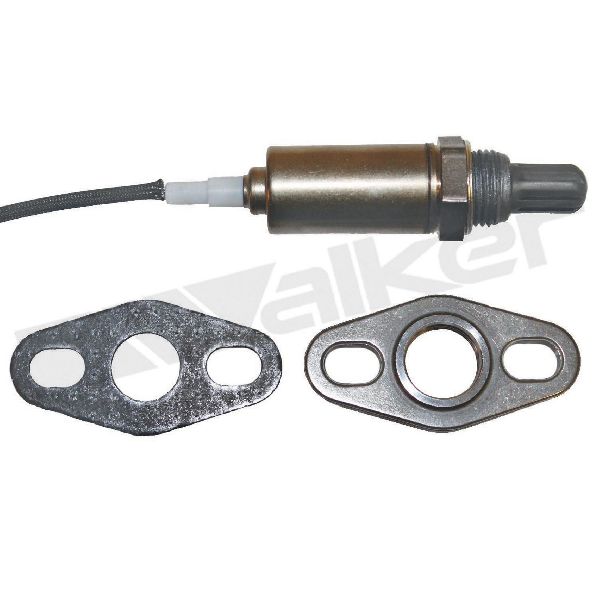
| Tier 3: Budget-Friendly | Walker Products, Spectra | These brands offer a more budget-conscious option. While they may not have the same long-standing reputation for this specific application as Denso or NGK, they can be a viable option if cost is the primary concern. Walker is a known brand in exhaust components. |
A Note on Universal vs. Direct-Fit
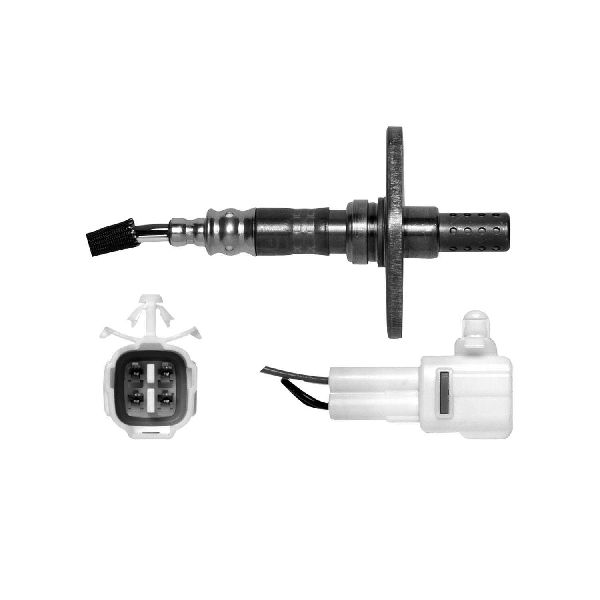
You will see both "universal" and "direct-fit" sensors available. A direct-fit sensor comes with the correct plug for your Corolla's wiring harness and is highly recommended. A universal sensor requires you to cut the old plug off and splice it onto the new sensor's wires. While cheaper, this introduces a potential point of failure and is not recommended unless you are experienced with wiring.
Cost of Replacing an Oxygen Sensor
The cost to replace the oxygen sensor on a 1988-1992 Corolla is very reasonable, especially if you do the work yourself. The job is straightforward and requires only a few special tools.
Estimated Costs
| Item | Estimated Cost |
|---|---|
| New Aftermarket Part | $21 - $148 |
| Shop Labor | $50 - $100 |
| DIY Total | $21 - $148 (cost of part + tool) |
| Shop Total | $71 - $248 |
Frequently Asked Questions (FAQ)
How many oxygen sensors does my 1988-1992 Corolla have?
Most Corollas from this generation have only one oxygen sensor. It is located in the exhaust manifold, before the catalytic converter. This is often referred to as the "upstream" sensor.
Is replacing the oxygen sensor a DIY job?
Yes, for most home mechanics, this is a very feasible DIY job. The sensor is usually easy to access in the exhaust manifold from the top of the engine bay. The main challenge can be removing the old sensor if it is rusted in place. Letting penetrating oil soak on the threads overnight can help significantly.
What tools do I need to replace the oxygen sensor?
You will need a special oxygen sensor socket, which is a deep socket with a slot cut out for the wire to pass through. A 22mm wrench can also work. You'll also want a ratchet, possibly with a breaker bar for extra leverage, and some anti-seize lubricant to apply to the threads of the new sensor.
Are there any recalls for the oxygen sensor on this Corolla?
No, there are no specific recalls for the oxygen sensor on the 1988-1992 Toyota Corolla. Searches on the National Highway Traffic Safety Administration (NHTSA) database show recalls for newer Corolla models related to different types of sensors (like occupant classification sensors), but not for the engine oxygen sensor on this generation.
Technical Specifications
OEM Part Numbers: 89465-19355 89465-19366 89465-12160 89465-19295 89465-19395
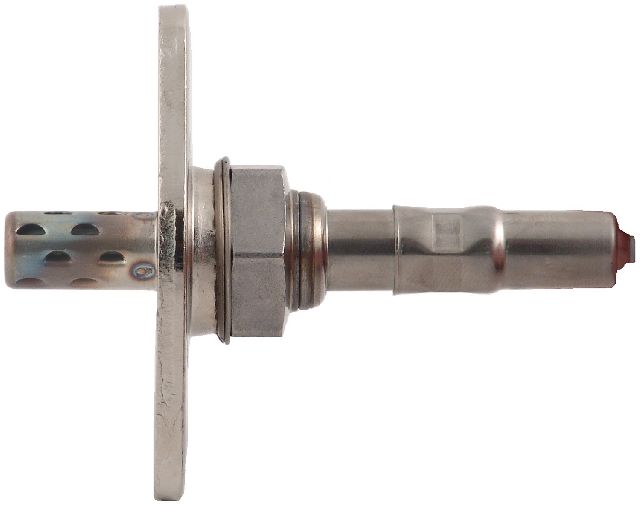
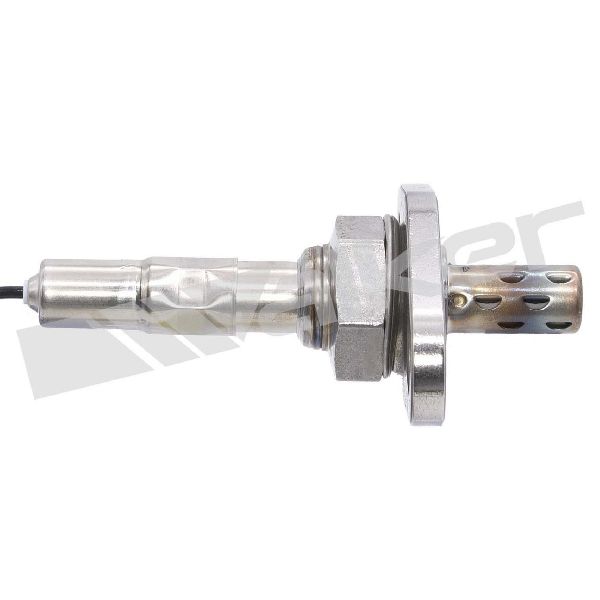
Most models use a single, upstream oxygen sensor located in the exhaust manifold. Depending on the specific model and year, it may be a single-wire (unheated) or multi-wire (heated) sensor. Direct-fit connectors are recommended. The thread size is typically M18x1.50.
We Have This Part in Stock
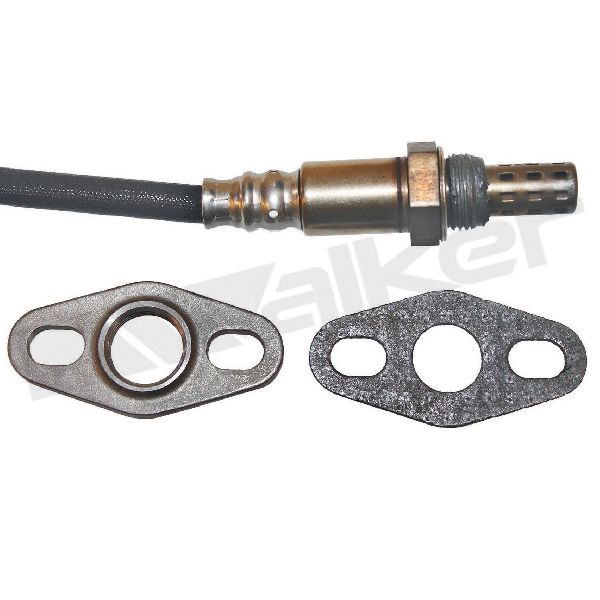
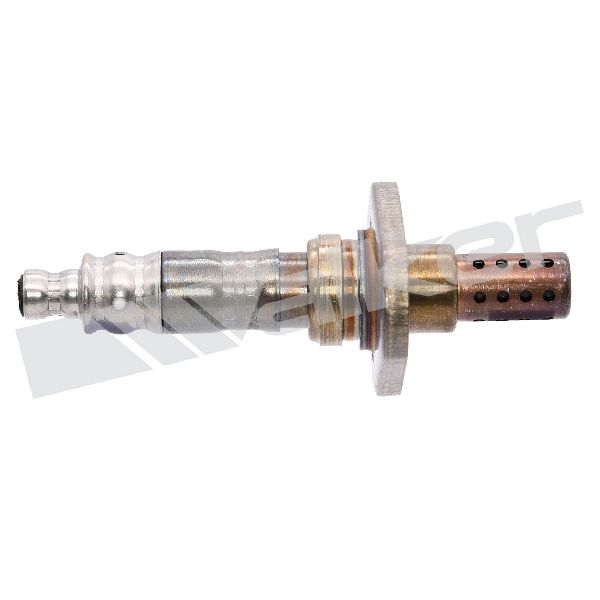

The information in this article is provided for general reference and educational purposes only. Vehicle specifications, procedures, and part compatibility can vary by production date, trim level, and region. Always consult your vehicle's factory service manual and verify part numbers before purchasing or performing repairs. Safety-critical components such as airbags, seat belts, and braking systems should be installed by a qualified professional.
- Toyota Corolla: