

Chevrolet C2500 Radiator Replacement Guide for 1988-1993 Models
Keep your classic Chevy truck from overheating by choosing the right replacement radiator.
- The most common failure is the original plastic side tanks cracking with age; upgrading to an all-aluminum radiator is a durable solution.
- Before ordering, you must measure your radiator's core width (usually 28" or 34") and check if you need connections for an engine oil cooler.
- Replacing the radiator is a DIY-friendly job, but you should also replace the radiator cap, thermostat, and hoses at the same time for a reliable repair.
- After installation, you must bleed all air from the cooling system to prevent overheating.
Signs of a Failing Radiator in Your C2500
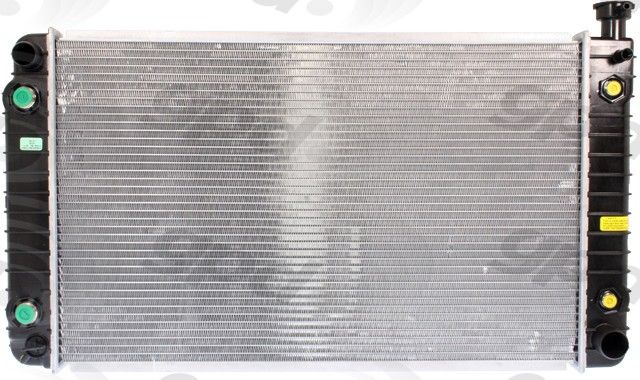
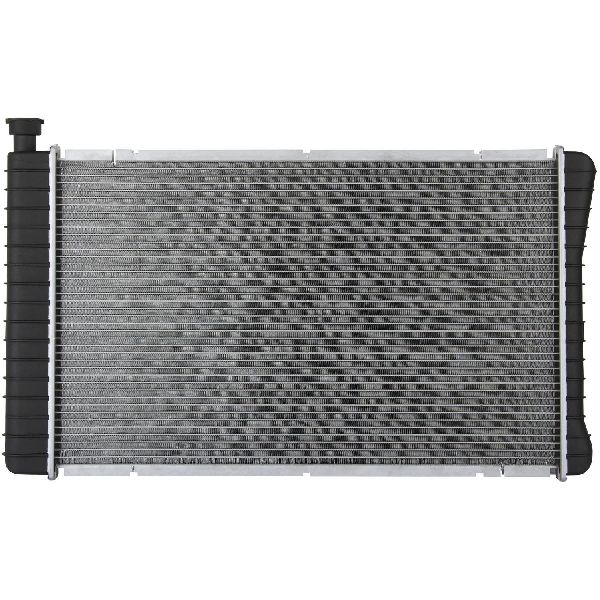
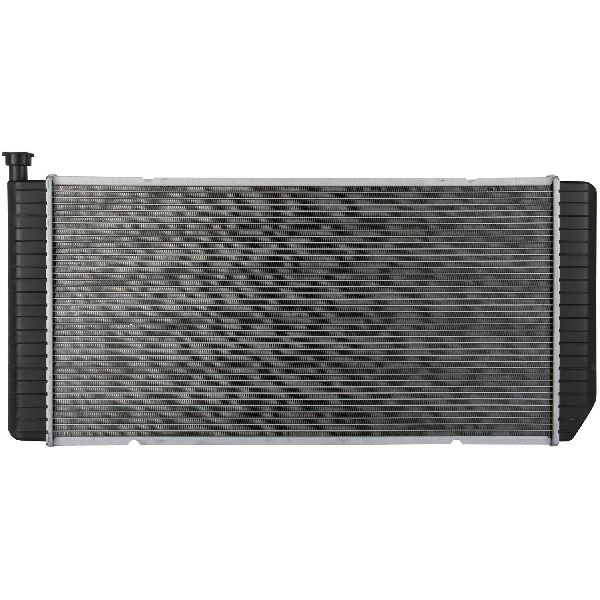
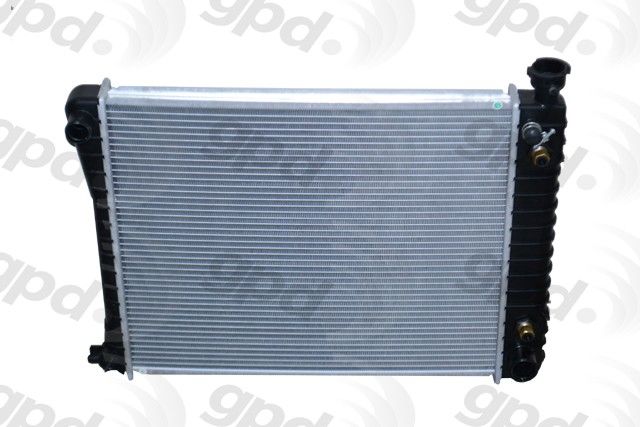
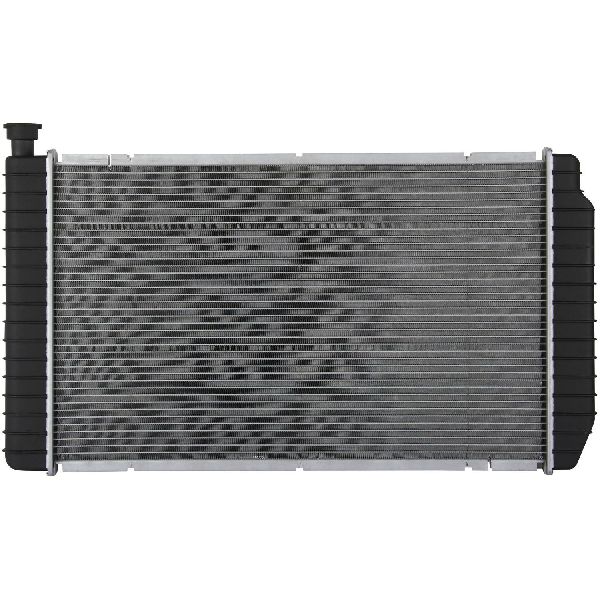
On these GMT400 trucks, the original radiators have plastic tanks on the sides connected to an aluminum center section (the core). After decades of heating up and cooling down, this plastic becomes brittle and is the most common reason for failure. Watch for these signs:
- Engine Overheating: The most obvious sign is the temperature gauge on your dashboard climbing into the red zone. You might also see steam coming from under the hood.
- Visible Coolant Leaks: Finding puddles of bright green, yellow, or pink fluid under the front of your truck means you have a leak. On these radiators, leaks usually start where the plastic side tanks are crimped onto the aluminum core.
- Low or Dirty Coolant: If you constantly have to add coolant, you have a leak somewhere. If the coolant in your reservoir looks rusty or sludgy, it means there is corrosion inside the system, which can clog the radiator.
Check Other Parts, Too
Coolant loss or overheating isn't always the radiator. These trucks are also known for coolant leaks from the water pump, thermostat housing, and intake manifold gaskets. Always inspect the entire system before ordering parts.
Choosing the Right Aftermarket Radiator
You don't need to buy an expensive original part from a dealer. Aftermarket radiators offer good quality, but it's important to know the differences between brands.
Upgrade Tier (All-Aluminum)
These radiators get rid of the failure-prone plastic side tanks and are fully welded from aluminum. They offer better cooling and durability, making them a smart choice if you tow, haul, or simply want a long-lasting repair.
🎬 See how to install a high-performance aluminum radiator upgrade.- Frostbite: A popular all-aluminum option designed to handle more heat, supporting engines from 450-750 horsepower. They are a direct upgrade from the stock design, but be sure to double-check fitment, as some users have reported issues.
Standard Replacement Tier (OEM-Style)
These radiators are built like the original, with plastic tanks and an aluminum core. They are a cost-effective solution for daily driving.
- ACDelco: As GM's parts division, this is often considered the closest to original quality. However, even these can have a limited lifespan, with some owners reporting the plastic tanks cracking after about five years.
- Spectra: A common aftermarket brand with mixed reviews. Some owners have good luck with them, while others report leaks developing, sometimes after only a few months. Quality can be inconsistent.
Economy Tier
These are the cheapest options available. While the low price is tempting, be aware of potential issues with fit and longevity.
- APDI, Global Parts, One Stop Solutions: These brands compete on price. Forum discussions and reviews for brands like APDI often mention problems with incorrect fittings for transmission lines and a higher likelihood of leaking shortly after installation. Consider these if budget is your only concern, but be prepared for potential warranty claims.
Common Ordering Mistakes
Before you buy, verify two things on your truck:
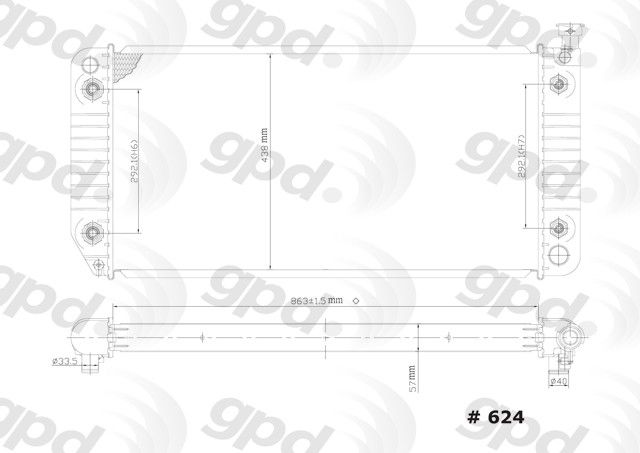
- Core Width: These trucks came with different radiator sizes, most commonly 28-inch or 34-inch wide cores. Measure the finned aluminum part of your radiator (not including the side tanks) to ensure you order the correct width.
- Cooler Types: Your radiator has a built-in cooler for the automatic transmission fluid. Some heavy-duty models also have a separate engine oil cooler (EOC). Check if your current radiator has fittings for an EOC and order accordingly.
Estimated Replacement Costs
Replacing the radiator on a 1988-1993 C2500 is a job most DIYers can handle. If you take it to a shop, labor will be the biggest part of the cost.
| Part/Service | Estimated Cost |
|---|---|
| New Aftermarket Radiator | $27.14 - $336.32 |
| Shop Labor | $185 - $340 |
| Total Professional Job | $212 - $676 |
Frequently Asked Questions (FAQ)
Is replacing the radiator a difficult DIY job?
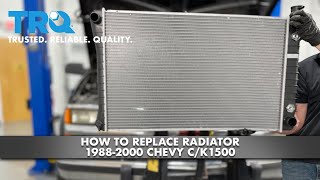
No, for a mechanic with some experience, this is a straightforward job that takes about two hours with basic hand tools. 🎬 Watch: Step-by-step radiator replacement guide for your Chevy truck. You will need to drain the coolant, remove the fan shroud and hoses, disconnect the transmission cooler lines, and unbolt the radiator.
Do I need to replace anything else at the same time?
Yes. It is highly recommended to also replace the radiator cap, thermostat, and the upper and lower radiator hoses. These parts are inexpensive and wear out over time. Replacing them all at once prevents future leaks and overheating issues.
My truck has a manual transmission. Can I use a radiator made for an automatic?
Yes. Radiators for automatic trucks have a small, built-in cooler for transmission fluid, with two extra ports. If your truck is a manual, you can use this type of radiator and simply leave the transmission cooler ports unconnected or capped. Many aftermarket brands only sell the automatic version because it fits both.
How do I get the air out of the system after installing the new radiator?
This is a critical step. After filling the new radiator with a 50/50 coolant mix, leave the radiator cap off and start the engine. Turn your heater on high. As the engine warms up, the thermostat will open and you will see air bubbles coming out of the radiator filler neck. Keep adding coolant as the level drops. Once the bubbling stops, top off the coolant and put the cap on.
🎬 Watch: How to properly bleed air from your cooling system.Helpful Videos
Technical Specifications
Core Material: Aluminum, Tank Material: Plastic (OEM-style) or Aluminum (Upgrade). Core widths vary, typically 28 1/4" or 34". Radiators for automatic transmission models include an integrated transmission fluid cooler. Some heavy-duty models may also include an engine oil cooler.
We Have This Part in Stock

The information in this article is provided for general reference and educational purposes only. Vehicle specifications, procedures, and part compatibility can vary by production date, trim level, and region. Always consult your vehicle's factory service manual and verify part numbers before purchasing or performing repairs. Safety-critical components such as airbags, seat belts, and braking systems should be installed by a qualified professional.
- Chevrolet C2500:
- 🎬 Helpful Videos
- 🛍️ Shop This Part
- Signs of a Failing Radiator in Your C2500
- Check Other Parts, Too
- Choosing the Right Aftermarket Radiator
- Upgrade Tier (All-Aluminum)
- Standard Replacement Tier (OEM-Style)
- Economy Tier
- Common Ordering Mistakes
- Estimated Replacement Costs
- Frequently Asked Questions (FAQ)
- 🎟️ Get 5% Off