

Choosing the Right Oxygen Sensor for Your 1988-1993 Dodge D150
Fix poor fuel economy and rough running by understanding and replacing this critical sensor.
- Your D150 likely has a single upstream oxygen sensor that is critical for fuel economy.
- For best results and to avoid issues, choose an aftermarket sensor from NTK or Denso.
- Symptoms of failure include bad gas mileage, rough idle, and a rotten egg smell.
- Replacing the sensor is a DIY-friendly job, but use penetrating oil and a special O2 sensor socket to deal with rust.
Is Your D150's Oxygen Sensor Failing?
A failing oxygen sensor doesn't always trigger a check engine light right away on these older trucks. Often, the first signs are a gradual decline in performance. If you notice any of these issues, your O2 sensor is a likely culprit.
Common Symptoms of a Bad O2 Sensor
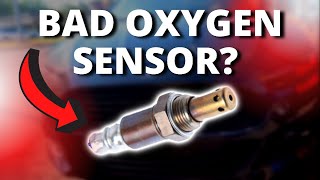
🎬 Watch: See these common symptoms in action on a vehicle.- Poor Fuel Economy: This is one of the most common signs. If you're stopping for gas more often, your sensor may be telling the engine to use too much fuel.
- Rough Idle: Your truck may shake or idle unevenly when stopped at a light. This can happen because the air-fuel mixture is unstable.
- Hesitation or Sluggish Performance: When you press the gas, the truck might feel sluggish or hesitate before accelerating.
- Rotten Egg Smell: A strong sulfur or "rotten egg" smell from the exhaust indicates that unburned fuel is overheating in the catalytic converter, a problem often caused by a bad O2 sensor.
- Failed Emissions Test: A bad sensor can cause a dramatic increase in exhaust emissions, leading to a failed test.
Don't Ignore a Failing Sensor
Continuing to drive with a bad oxygen sensor can cause more expensive problems. An overly rich fuel mixture can clog and destroy your catalytic converter, a much more costly part to replace.
Choosing the Right Aftermarket Brand
Finding original Mopar parts for a truck of this age can be difficult and expensive. The aftermarket offers many good alternatives, but not all brands are created equal, especially for older Dodge trucks which can be picky about their sensors. Based on owner experiences in forums, here’s a breakdown of the most common brands.
Tier 1: Recommended Brands
These brands are widely recommended by Dodge truck owners and are often considered OE-quality suppliers.
- NTK (NGK): This is the most frequently recommended brand. Many consider NTK to be the original equipment (OEM) manufacturer for Mopar sensors. For reliability and performance that matches the original, NTK is a top choice.
- Denso: Denso is another highly-regarded Japanese brand known for its quality and reliability. It is a popular and trusted choice among owners who can't find or don't want to pay for Mopar parts.
Tier 2: Use With Caution
- Bosch: While Bosch is a huge name in auto parts and invented the O2 sensor, their products have a mixed reputation with older Dodge trucks. Many owners in forums report running issues or early failures when using Bosch sensors, and suggest that the truck's computer does not respond well to them. It's best to choose NTK or Denso if possible.
Tier 3: Economy Options
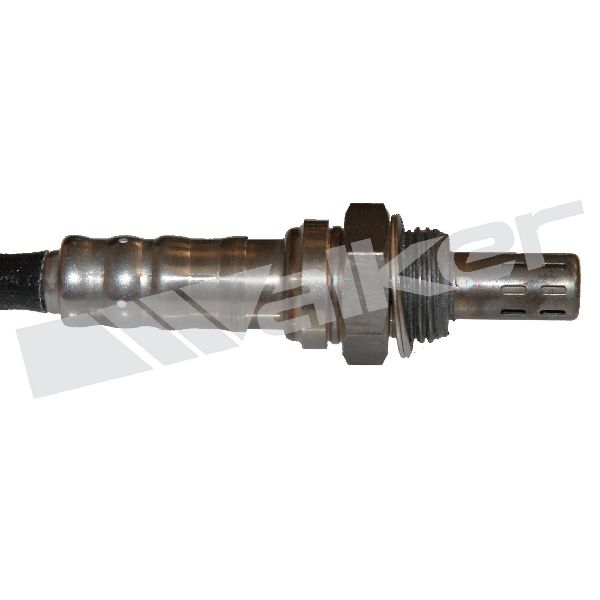
- Walker Products, Delphi, DriveWire: These brands are more budget-friendly. Walker is described by some as functional but "not top dog." While they can work, they may not offer the same longevity or precise performance as the top-tier brands.
Pro Tip: Check Your Wires!
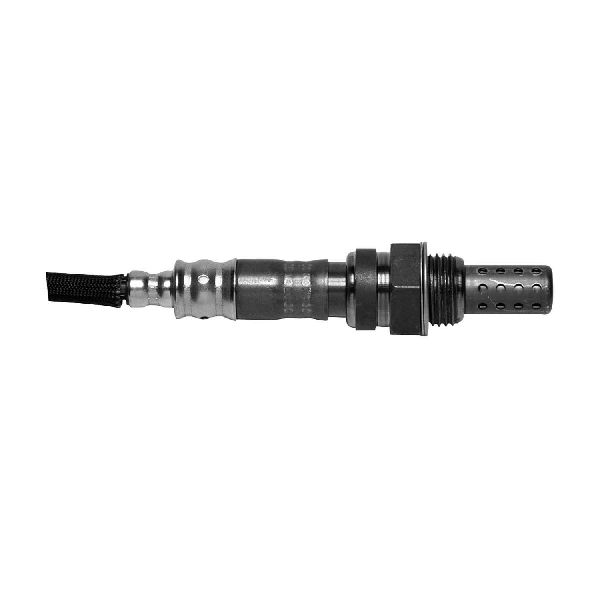
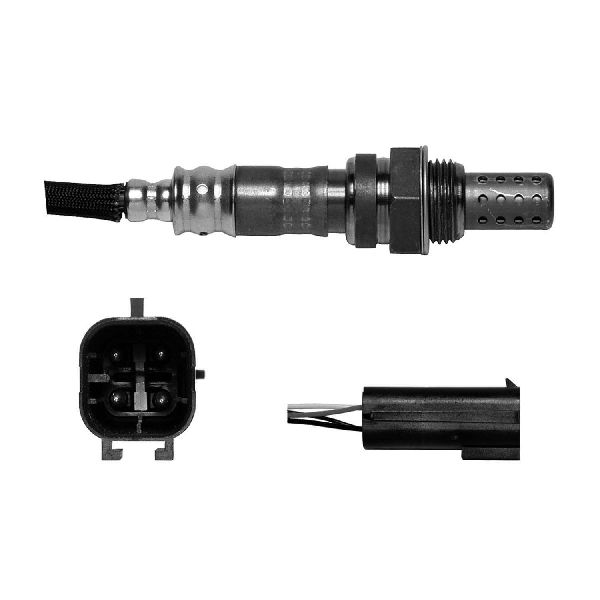
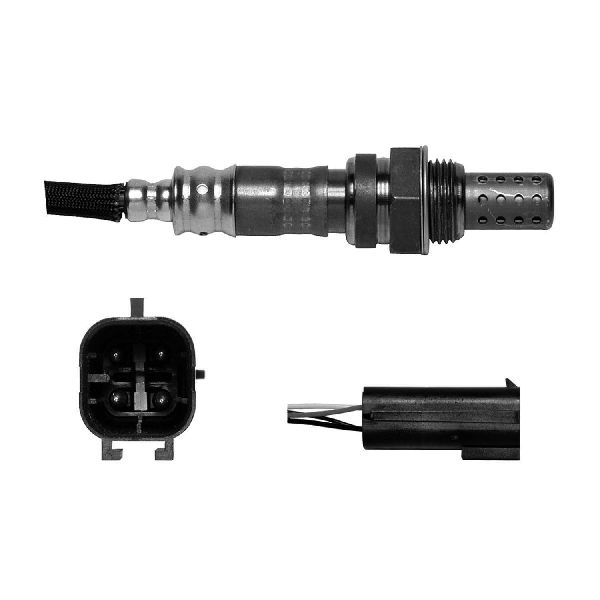
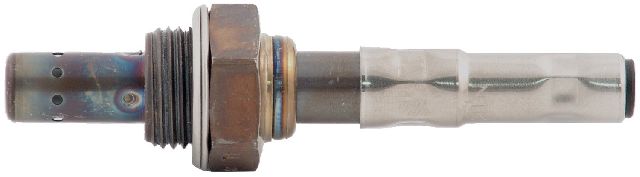
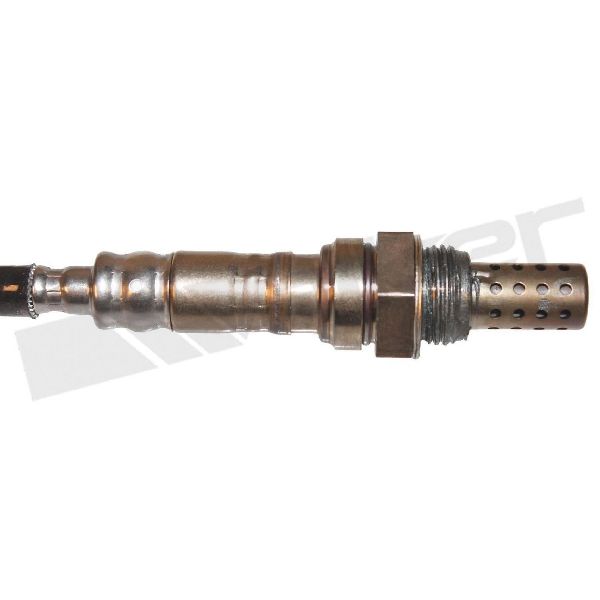
During this model run, different oxygen sensors were used. Some D150s have a simple 1-wire sensor, while others may have a 4-wire heated sensor. Before you order, look under your truck at the existing sensor and count the number of wires going into its connector. Ordering the correct one will save you the headache of a return.
Replacement Cost
The cost to replace the oxygen sensor on a 1988-1993 D150 is reasonable, especially if you do it yourself. The part itself is not expensive, and labor is minimal.
| Item | Estimated Cost |
|---|---|
| New Aftermarket Part | $40 - $91 |
| Shop Labor | $90 - $150 |
| Total (Shop Repair) | $130 - $241 |
| Total (DIY) | $40 - $91 |
Frequently Asked Questions
How many oxygen sensors does my 1988-1993 D150 have?
Your truck most likely has only one oxygen sensor. It is an "upstream" sensor located on the exhaust pipe before the catalytic converter. Unlike modern vehicles, these trucks did not typically have downstream sensors.
Can I clean my old oxygen sensor?
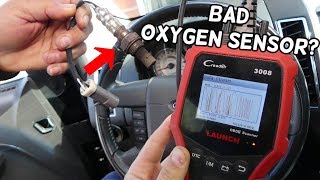
While some people attempt to clean O2 sensors, it is not a reliable or recommended fix. 🎬 Learn how to test your sensor before deciding to replace it. The sensor's internal element wears out over time, and cleaning won't restore its accuracy. Given the low cost of a new part, replacement is the best option.
What tools do I need to replace the sensor?
You will need a special tool called an oxygen sensor socket. This socket has a slit on the side to fit over the sensor's wire. You will also want a ratchet and possibly a breaker bar for extra leverage. Applying a good penetrating oil to the threads before you start is highly recommended, as the old sensor is often rusted in place.
🎬 See this walkthrough on how to properly remove and replace sensors.What are the symptoms of a bad oxygen sensor on a Dodge D150?
The most common symptoms are a noticeable drop in fuel economy, a rough or unstable idle, engine hesitation, a check engine light, and a rotten egg smell from the exhaust.
Helpful Videos
Technical Specifications
OEM Part Numbers: 5233088 5227368 5234015
Vehicle may be equipped with either a 1-wire unheated or 4-wire heated sensor. Visually inspect the original part to confirm wire count before ordering.
We Have This Part in Stock

The information in this article is provided for general reference and educational purposes only. Vehicle specifications, procedures, and part compatibility can vary by production date, trim level, and region. Always consult your vehicle's factory service manual and verify part numbers before purchasing or performing repairs. Safety-critical components such as airbags, seat belts, and braking systems should be installed by a qualified professional.
- Dodge D150:
- 🎬 Helpful Videos
- 🛍️ Shop This Part
- Is Your D150's Oxygen Sensor Failing?
- Common Symptoms of a Bad O2 Sensor
- Don't Ignore a Failing Sensor
- Choosing the Right Aftermarket Brand
- Tier 1: Recommended Brands
- Tier 2: Use With Caution
- Tier 3: Economy Options
- Pro Tip: Check Your Wires!
- Replacement Cost
- Frequently Asked Questions
- 🎟️ Get 5% Off