

Oxygen Sensor Guide for 1988-1993 Dodge D350
Fix poor fuel economy and rough running in your first-gen Dodge D350 by choosing the right replacement oxygen sensor.
- A failing oxygen sensor will cause poor gas mileage, rough idling, and a rotten egg smell.
- For best results on your D350, choose an NGK (NTK) or Denso brand sensor.
- This is an easy DIY replacement that requires a special O2 sensor socket and usually takes under an hour.
- Do not ignore a bad sensor, as it can lead to costly catalytic converter damage over time.
Is Your D350's Oxygen Sensor Failing?
On a truck from this era, an O2 sensor can wear out from age, high mileage, and contamination from oil or coolant. When it starts to fail, your truck will give you clear signs. Ignoring them can lead to more expensive problems, like a damaged catalytic converter.
Symptoms of a Bad Oxygen Sensor:
- Poor Fuel Economy: One of the most common signs is needing to fill up your gas tank more often. A bad sensor often causes the engine to run rich, meaning it uses too much fuel.
- Rough Idle and Poor Performance: Your truck might idle unevenly, hesitate when you accelerate, or even misfire. This happens because the engine's computer is getting bad information and can't properly time combustion.
- Rotten Egg Smell: A strong sulfur or "rotten egg" smell from the exhaust is a tell-tale sign of a bad O2 sensor causing an overly rich fuel mixture.
- Check Engine Light: A failing O2 sensor will often trigger the check engine light on your dashboard.
Don't Ignore a Failing Sensor
While you can technically drive with a bad O2 sensor, it's a bad idea. Your engine will run inefficiently, wasting fuel and potentially causing long-term damage to your catalytic converter—a much more expensive part to replace.
Choosing the Right Aftermarket Oxygen Sensor
For a 1988-1993 Dodge D350, you don't necessarily need to buy an expensive OEM part from the dealer. Quality aftermarket brands offer reliable performance that meets or exceeds original specifications. However, owner experiences show that these Dodge trucks can be picky about brands.
Brand Quality Tiers for Your Dodge D350
Based on forum discussions and mechanic recommendations for older Dodge trucks, here is a breakdown of trusted brands.
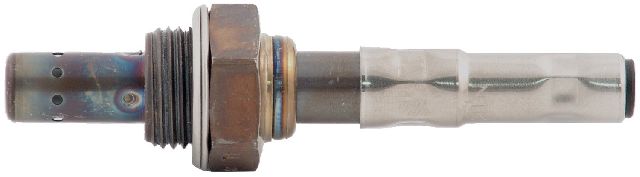
- Top Tier (Highly Recommended): Denso and NGK (NTK) are frequently cited as the best choices for Dodge trucks, often being the original equipment manufacturer. Owners report the most consistent, trouble-free performance with these brands.
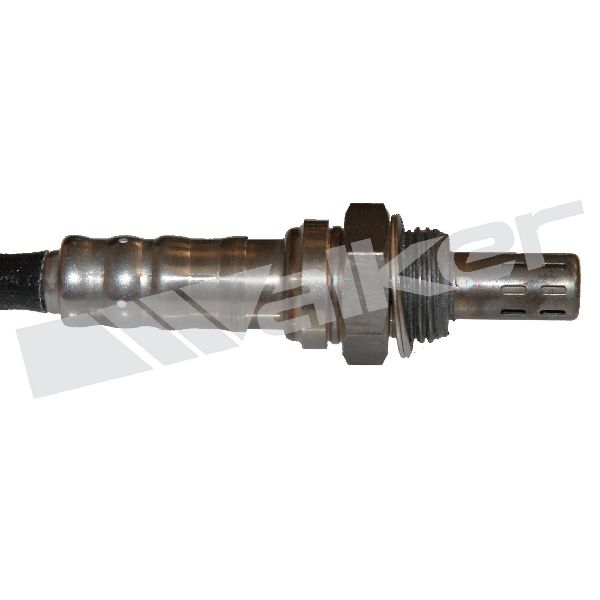
- Mid-Tier (Good Value): Walker Products is a known aftermarket brand. Some users report they work fine, though they may not be considered top-tier like Denso or NTK. Delphi is another established brand, though some users have reported issues.
- Economy Tier / Hit-or-Miss: Bosch sensors get mixed reviews for this generation of truck. While Bosch is a major OEM supplier, many Dodge owners have reported driveability issues after installing them, even if they don't set a check engine light. It's often recommended to avoid them for this specific application unless it was the original brand. DriveWire is generally considered an economy option.
Pro Tip: Use a Direct-Fit Sensor
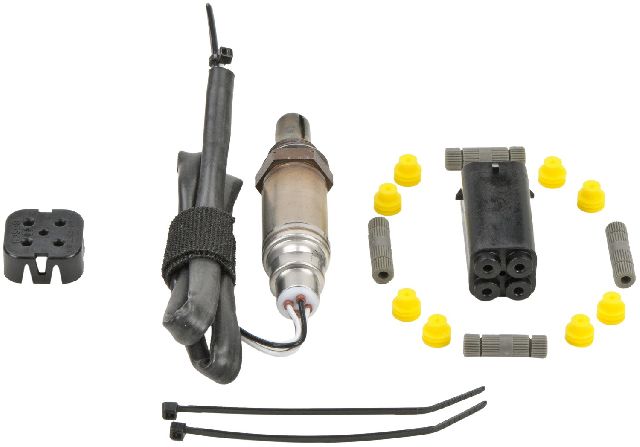
Always choose a "direct-fit" or "specific-fit" sensor for your D350. These come with the correct plug and wire length, so you don't have to cut and splice wires. Splicing can cause incorrect readings and lead to performance problems.
Oxygen Sensor Replacement Cost for 1988-1993 Dodge D350
| Part Type | Estimated Cost |
|---|---|
| New Aftermarket Oxygen Sensor | $46.18 - $85.17 |
| Shop Labor | $50 - $100 |
Cost estimates are for the part only and do not include taxes or shipping. Labor costs are estimates and will vary by location.
Frequently Asked Questions
How many oxygen sensors does my 1988-1993 D350 have?
Trucks from this generation typically have only one oxygen sensor. It is located in the exhaust system before the catalytic converter and is often called the "upstream" sensor.
Is this a difficult part to replace myself?
No, this is a very DIY-friendly job. The sensor simply unscrews from the exhaust pipe. You will need a special oxygen sensor socket, which has a slot for the wire, but the job usually takes less than an hour. Applying penetrating oil before trying to remove the old sensor can make the job much easier.
Should I use anti-seize on the new sensor?
Yes. Most new oxygen sensors come with a small packet of anti-seize compound already applied to the threads or included in the box. This prevents the sensor from getting stuck in the exhaust pipe, making future replacement easier. Be careful not to get any of the compound on the sensor's tip.
Are there any recalls for the oxygen sensor on my D350?
Searches of NHTSA records did not show any specific oxygen sensor recalls for the 1988-1993 Dodge D350. Recalls found were for much newer model years or different components.
Technical Specifications
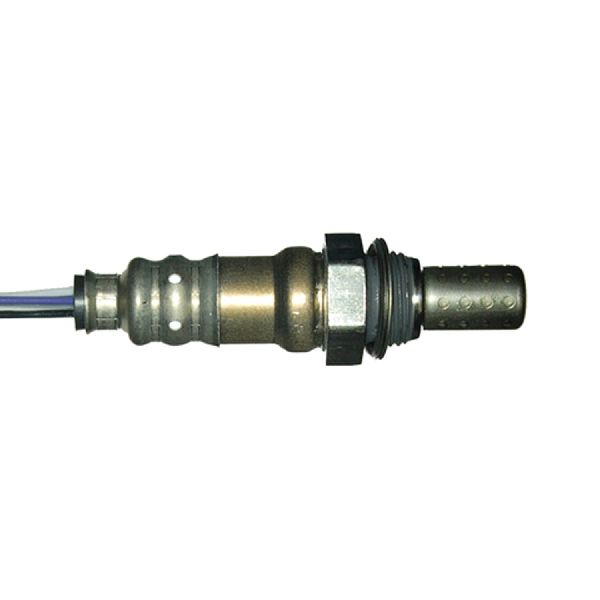
Your 1988-1993 D350 likely uses a single, upstream, unheated oxygen sensor. However, some aftermarket replacements may be heated (3 or 4-wire) and will work as a suitable upgrade. Always verify fitment for your specific truck.
We Have This Part in Stock
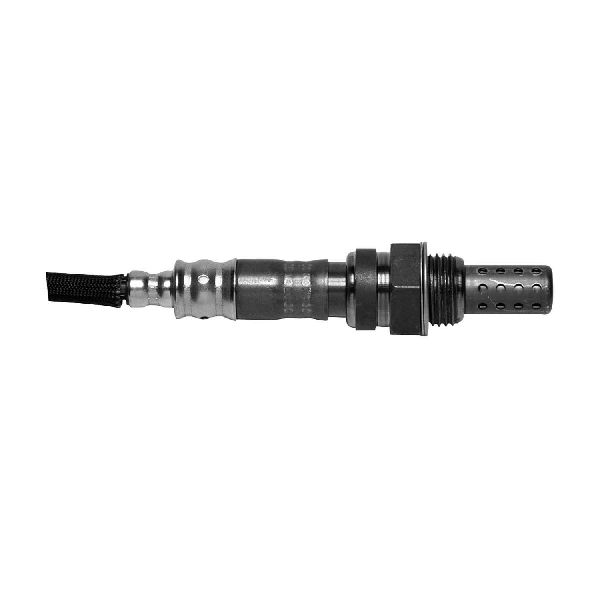
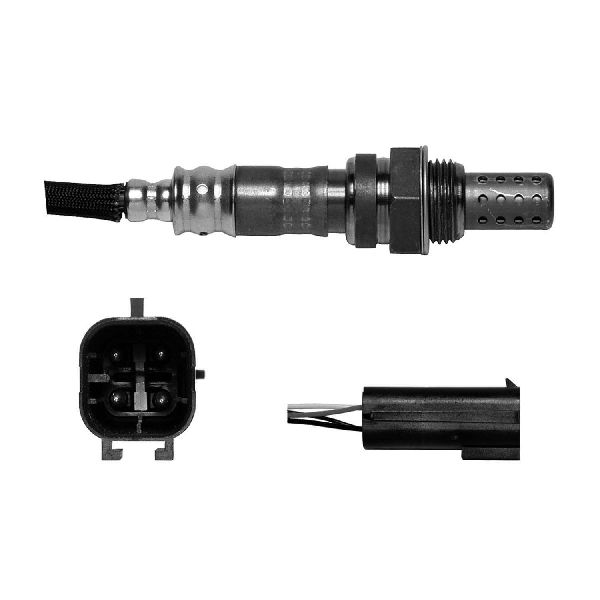

The information in this article is provided for general reference and educational purposes only. Vehicle specifications, procedures, and part compatibility can vary by production date, trim level, and region. Always consult your vehicle's factory service manual and verify part numbers before purchasing or performing repairs. Safety-critical components such as airbags, seat belts, and braking systems should be installed by a qualified professional.
- Dodge D350:
- 🛍️ Shop This Part
- Is Your D350's Oxygen Sensor Failing?
- Symptoms of a Bad Oxygen Sensor:
- Don't Ignore a Failing Sensor
- Choosing the Right Aftermarket Oxygen Sensor
- Brand Quality Tiers for Your Dodge D350
- Pro Tip: Use a Direct-Fit Sensor
- Oxygen Sensor Replacement Cost for 1988-1993 Dodge D350
- Frequently Asked Questions
- 🎟️ Get 5% Off