

Dodge Dynasty Oxygen Sensor Guide (1988-1993)
Everything you need to know about choosing the right replacement oxygen sensor for your 1988-1993 Dodge Dynasty.
- A failing O2 sensor will decrease gas mileage and can cause rough running.
- For best results on a Dodge Dynasty, choose a direct-fit sensor from Denso or NGK (NTK).
- Ignoring a bad sensor can lead to expensive catalytic converter damage.
- Replacement is a simple DIY job with a special O2 sensor socket.
Symptoms of a Failing Oxygen Sensor in a Dodge Dynasty
When an oxygen sensor starts to fail, it can cause several noticeable problems. Because these cars pre-date modern OBD-II diagnostics, you might notice the car running poorly before a check engine light appears. An old O2 sensor can become slow or "lazy" and not react quickly enough, affecting performance even without triggering a code.
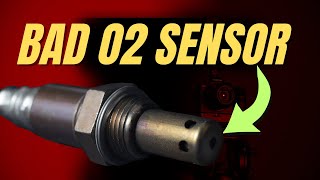
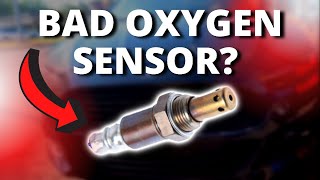
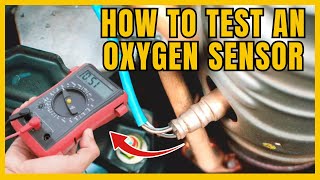
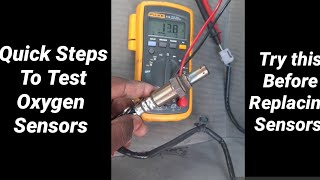
🎬 See this simple way to test your oxygen sensor.- Check Engine Light: This is the most common sign. A problem with the sensor's signal will trigger the light on your dashboard.
- Poor Fuel Economy: A bad sensor can cause the engine to use more fuel than necessary, so you'll find yourself at the gas pump more often.
- Rough Idle and Misfires: The engine may run rough, shake, or misfire when the air-fuel mixture is incorrect.
- Bad Smell from Exhaust: A rich-running engine can create a "rotten egg" or strong gasoline smell from the tailpipe.
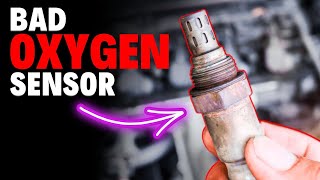
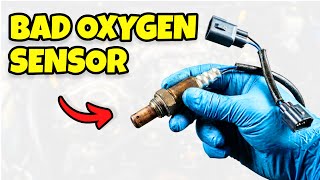
- Failed Emissions Test: An incorrect air-fuel ratio will lead to higher emissions, causing your Dynasty to fail a smog check. 🎬 Watch: Learn more about the signs of a failing sensor.
Don't Ignore a Bad O2 Sensor
While you can technically drive with a failing oxygen sensor, it's not a good idea. Continuing to drive can cause unburned fuel to overheat and damage your catalytic converter—a much more expensive part to replace.
Choosing the Right Aftermarket Oxygen Sensor
For a vehicle like the 1988-1993 Dodge Dynasty, original OEM parts are likely discontinued. Aftermarket parts are your primary option, and the quality can vary. Forum users with older Dodge vehicles have reported that these engines can be sensitive to the brand of O2 sensor used.
Brand Quality Tiers for Your Dynasty
Based on general reputation and feedback from Dodge owners, here is a breakdown of available brands.
Tier 1: Recommended Brands (OEM Quality)
- Denso & NGK (NTK): These brands are widely regarded as OEM suppliers for many automakers and are frequently recommended for older Dodge vehicles. They are known for their reliability, accuracy, and matching original equipment performance. If you want a part that is most likely to work correctly without issues, choosing a Denso or NTK sensor is your safest bet.
- Delphi: Delphi is another reputable OEM supplier with a strong track record for quality and reliability.
Tier 2: Reputable Aftermarket
- Bosch: Bosch invented the modern oxygen sensor and is a massive OEM supplier. However, many Dodge owners have reported driveability issues when using Bosch sensors in vehicles that didn't have them from the factory. While it's a quality brand, given the potential sensitivity of older Chrysler engines, it might be better to choose Denso or NTK.
Tier 3: Economy Brands
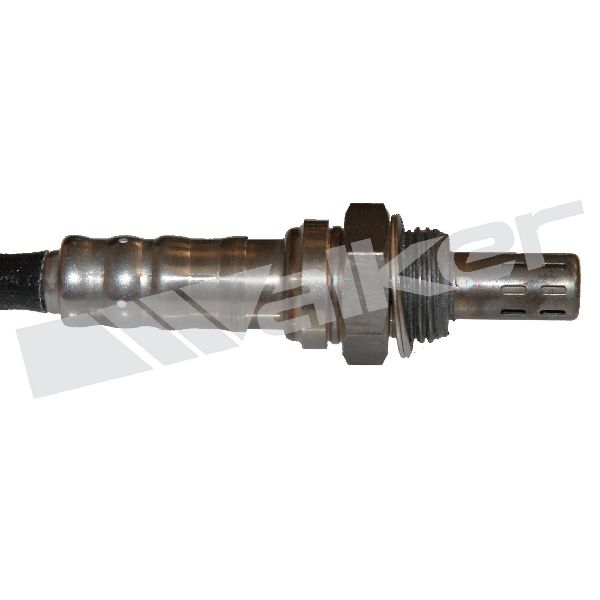
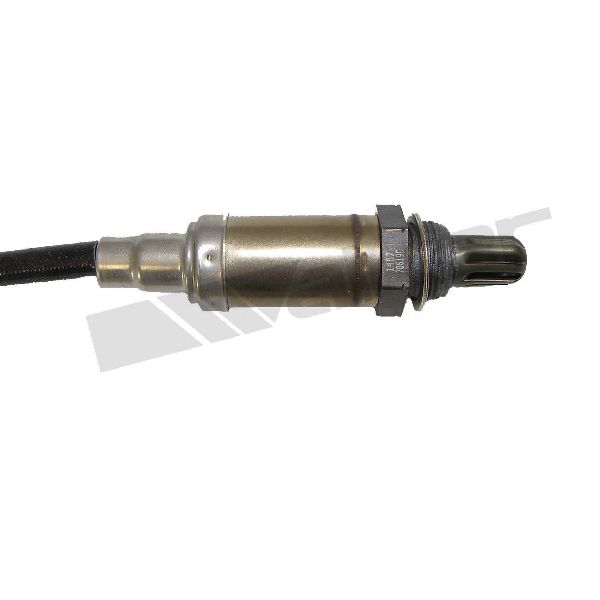
- Walker Products & DriveWire: These brands offer a more budget-friendly price point. They can be a viable option if cost is your primary concern, but may not offer the same longevity or precise calibration as the top-tier brands.
Pro Tip: Use a Direct-Fit Sensor
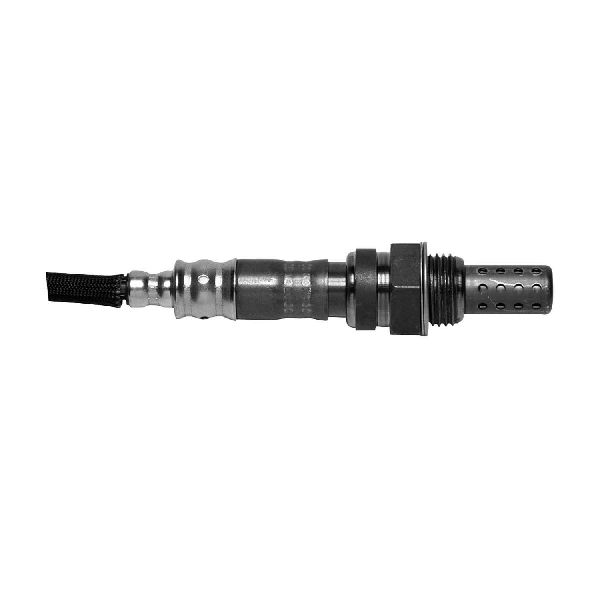
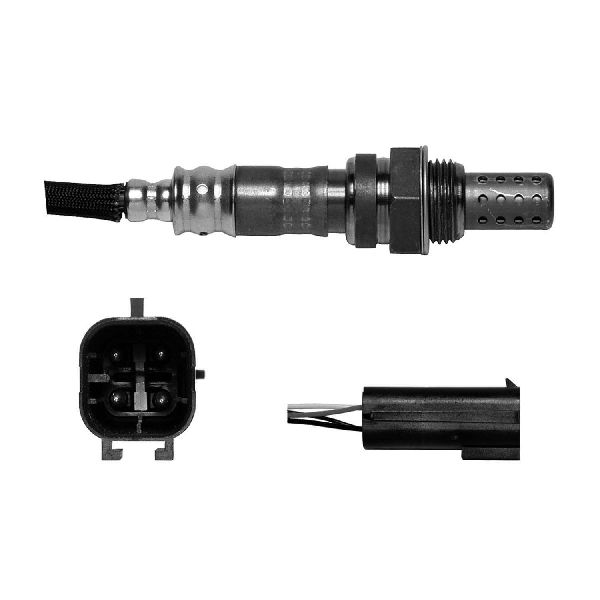
Always choose a "direct-fit" or "vehicle-specific" sensor. These come with the correct electrical connector for your Dynasty, making installation a simple plug-and-play process. Avoid "universal" sensors that require you to cut and splice wires, as this can lead to connection problems.
Estimated Costs for Replacement
| Part Type | Estimated Cost |
|---|---|
| New Aftermarket Sensor | $46.18 - $85.17 |
| Shop Labor | $60 - $120 |
Cost estimates are for the part only and do not include taxes or shipping. Labor costs can vary by location.
Frequently Asked Questions (FAQ)
How many oxygen sensors does a 1988-1993 Dodge Dynasty have?
Vehicles from this era typically have one or two oxygen sensors. Most configurations for the Dynasty use a single "upstream" sensor located in the exhaust manifold before the catalytic converter.
Can I replace the oxygen sensor myself?
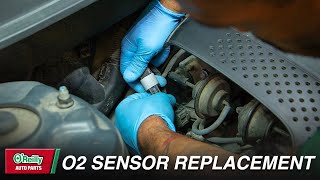
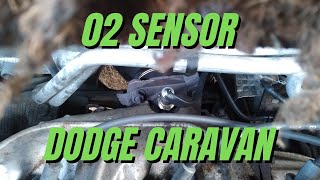
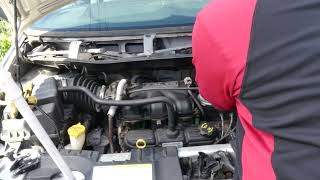
Yes, this is a DIY-friendly job for most home mechanics. The sensor is usually accessible on the exhaust manifold. 🎬 Watch: Step-by-step guide to replacing an upstream Dodge sensor. You will need a special tool called an oxygen sensor socket, which has a slot for the wire. It's also a good idea to apply anti-seize compound to the threads of the new sensor to make future removal easier.
Are there any recalls for the Dodge Dynasty oxygen sensor?
No, there are no specific recalls or technical service bulletins (TSBs) from the NHTSA related to the oxygen sensor for the 1988-1993 Dodge Dynasty.
Should I replace my O2 sensor as preventative maintenance?
Oxygen sensors are wear items and their performance degrades over time. If your Dynasty has high mileage and the original sensor, replacing it can restore fuel economy and engine responsiveness even if there is no check engine light on. A general recommendation is to consider replacement every 60,000 to 90,000 miles.
Helpful Videos
Technical Specifications
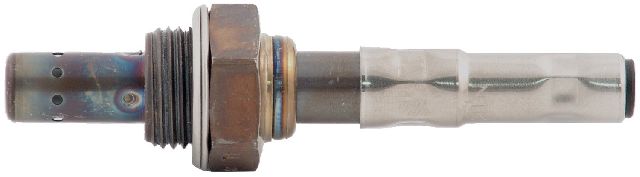
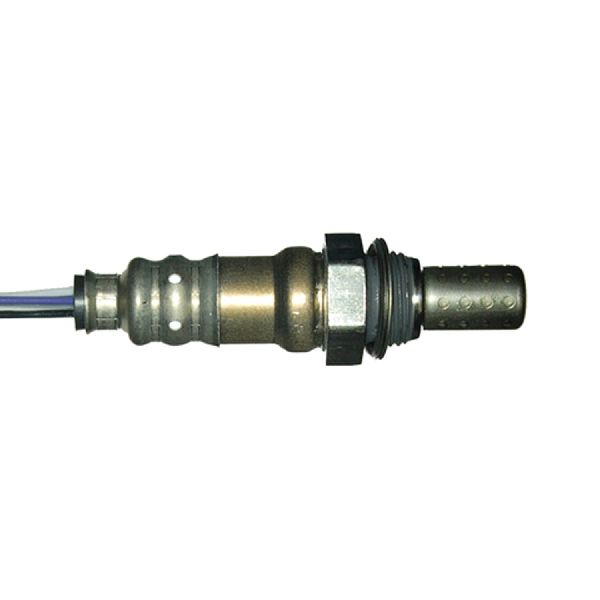
Most 1988-1993 Dodge Dynasty models use a single, upstream, 1-wire or 3-wire unheated oxygen sensor. Always verify the connector type on your specific vehicle before ordering.
We Have This Part in Stock

The information in this article is provided for general reference and educational purposes only. Vehicle specifications, procedures, and part compatibility can vary by production date, trim level, and region. Always consult your vehicle's factory service manual and verify part numbers before purchasing or performing repairs. Safety-critical components such as airbags, seat belts, and braking systems should be installed by a qualified professional.
- Dodge Dynasty: