

Throttle Position Sensor (TPS) Guide for the 1988-1993 Dodge W150
Solving hesitation, rough idle, and stalling issues on your first-generation Dodge Ram truck.
- A failing TPS is a very common cause of hesitation, stalling, and rough idle on 1988-1993 W150s.
- This is an easy and inexpensive DIY replacement, requiring only basic tools and about 30 minutes.
- For this vintage truck, a high-quality aftermarket brand like Delphi or Standard Ignition is the best practical choice.
- A bad TPS can cause automatic transmission shifting problems in addition to engine issues.
Is Your Dodge W150 Running Rough? It Could Be the TPS.
If you're dealing with bucking, a high or unstable idle, or sudden stalling, a faulty Throttle Position Sensor (TPS) is a common culprit on the 1988-1993 Dodge W150. This sensor is a known wear item, and after 30+ years of service, many original sensors are failing. A bad TPS sends incorrect information to the engine computer, leading to a host of drivability problems that can make your truck unreliable.
Symptoms of a Failing Throttle Position Sensor
A bad TPS can make your truck feel unpredictable. Watch out for these common signs:
- Hesitation or Bucking: The truck stumbles or jerks when you press the gas pedal.
- Rough or High Idle: The engine idles poorly, surges, or revs higher than normal.
- Stalling: The engine may die when you come to a stop or let off the gas.
- Poor Acceleration: The truck feels sluggish and lacks power.
- Bad Automatic Shifts: The transmission may shift harshly, at the wrong times, or hunt for gears.
- Check Engine Light: These trucks use an older diagnostic system. A failing TPS can trigger a fault code. On these models, a common code is Code 24, indicating a problem with the TPS signal.
Water is the Enemy
The TPS is an electronic sensor that does not like moisture. Aggressive engine cleaning or pressure washing the engine bay can force water into the sensor and cause it to fail almost immediately. Be sure to protect the throttle body area when washing under the hood.
Choosing the Right Aftermarket TPS Brand
For a vintage truck like the 1988-1993 W150, finding original Mopar parts can be difficult and expensive. The aftermarket is your most realistic option. However, not all brands are created equal, and using a low-quality sensor can lead to more headaches. Here’s a breakdown of available brands:
Tier 1: Recommended Brands
- Delphi: Delphi is a major original equipment (OE) manufacturer for many car brands. Their aftermarket parts are generally held in high regard for quality and reliability, making them a top choice.
- Standard Motor Products (Standard Ignition): SMP is a long-standing aftermarket company. While experiences with aftermarket sensors can sometimes be mixed, they are a reputable manufacturer and a solid choice over lesser-known brands.
- NGK: Known primarily for spark plugs, NGK also produces sensors. While generally a quality brand, some users in forums have reported issues with their TPS sensors, so proceed with caution.
Tier 2: Budget Brands
- Walker Products: Walker is a widely available aftermarket brand, but their parts are often considered to be on the budget end of the spectrum. Some forum users have reported quality control issues with Walker parts.
- True Tech, Global Parts, Replacement: These often fall into the category of house brands or generic parts. Quality can be a gamble. For a critical sensor like the TPS, it's usually worth spending a little more for a brand from Tier 1 to avoid doing the job twice.
OEM vs. Aftermarket Reality Check
While a Mopar sensor would have been the best choice when the truck was new, that's no longer a practical option. A high-quality aftermarket sensor from a brand like Delphi or Standard Ignition is a reliable and sensible repair for these classic Dodge trucks. Avoid the temptation of a used OEM sensor from a junkyard, as it's also old and likely near the end of its service life.
Cost of a New Throttle Position Sensor
| Part Type | Price Range | Notes |
|---|---|---|
| New Aftermarket | $29.73 - $75.29 | Price varies by brand. Recommended for this vehicle. |
| New OEM (Mopar) | $100+ (if found) | Likely discontinued (New Old Stock). Very difficult to find. |
| Shop Labor | $50 - $100 | A quick job for a professional, typically 0.5-0.75 hours of labor. |
Frequently Asked Questions (FAQ)
Can I replace the TPS myself?
Yes, this is a great DIY job for beginners. The TPS is located on the side of the throttle body, held on by two T25 Torx screws. You simply disconnect the electrical plug, unscrew the old sensor, and install the new one. The entire process usually takes less than 30 minutes.
Do I need to adjust the new TPS?
For this specific vehicle, the TPS is generally not adjustable. It is designed to be bolted on in a fixed position. After installation, some mechanics recommend disconnecting the battery for about 10 minutes to reset the engine computer and allow it to relearn the new sensor's parameters.
How do I check for fault codes on my truck?
These trucks are pre-OBDII. To check for codes, you can use the "key trick." Turn the ignition key On-Off, On-Off, On within five seconds. The "Check Engine" light will then flash in a sequence to display any stored two-digit codes. For example, two flashes, a pause, then four flashes would indicate Code 24.
Will a bad TPS always trigger a Check Engine light?
Not always. The sensor can begin to fail and cause drivability issues like hesitation or poor idling before it fails completely in a way that the computer recognizes as a fault. If you have the symptoms, the TPS is a likely suspect even without a light.
Technical Specifications
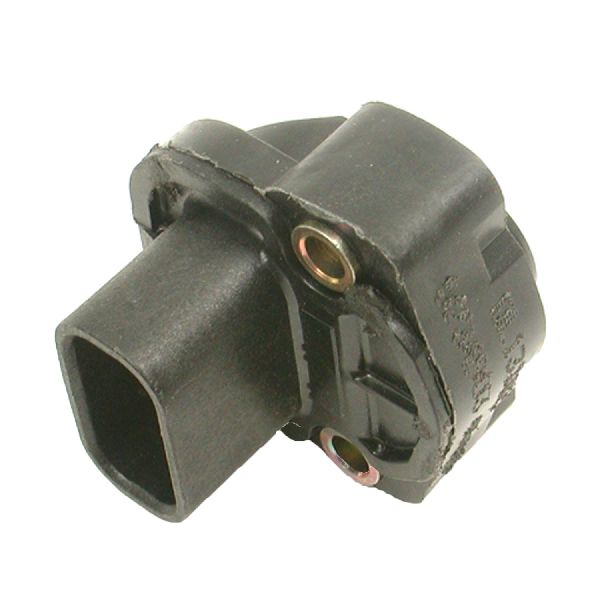
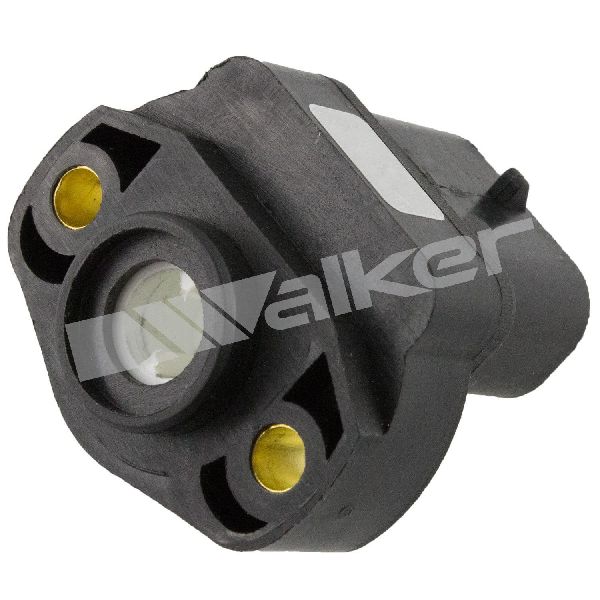
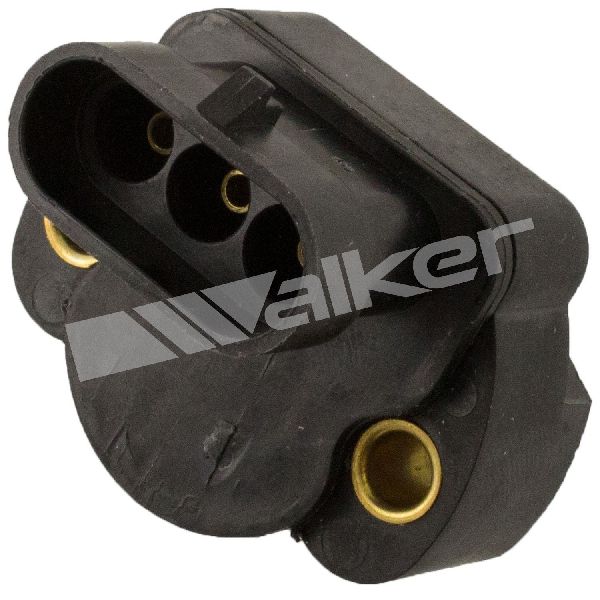
This is a 3-pin, throttle-body mounted sensor. Replacement typically requires a T25 Torx bit.
We Have This Part in Stock


The information in this article is provided for general reference and educational purposes only. Vehicle specifications, procedures, and part compatibility can vary by production date, trim level, and region. Always consult your vehicle's factory service manual and verify part numbers before purchasing or performing repairs. Safety-critical components such as airbags, seat belts, and braking systems should be installed by a qualified professional.
- Dodge W150:
- 🛍️ Shop This Part
- Is Your Dodge W150 Running Rough? It Could Be the TPS.
- Symptoms of a Failing Throttle Position Sensor
- Water is the Enemy
- Choosing the Right Aftermarket TPS Brand
- Tier 1: Recommended Brands
- Tier 2: Budget Brands
- OEM vs. Aftermarket Reality Check
- Cost of a New Throttle Position Sensor
- Frequently Asked Questions (FAQ)
- 🎟️ Get 5% Off