

1988-1993 Dodge W250 Oxygen Sensor: A Complete Guide
Fix poor fuel economy and rough idling on your first-generation Dodge W250 by choosing the right oxygen sensor.
- Choose a reliable aftermarket brand like Denso or NGK (NTK) for best performance; Dodge trucks can be picky about sensors.
- The biggest challenge is removing the old sensor; soak it with penetrating oil before starting the job.
- Use a dedicated O2 sensor socket to prevent stripping the old sensor during removal.
- Ignoring a bad O2 sensor will hurt your fuel economy and can eventually damage your catalytic converter.
Symptoms of a Failing Oxygen Sensor
On an older truck like the W250, an O2 sensor often fails slowly over time rather than all at once. Since these trucks are from the pre-OBD-II era, you may not get a "Check Engine" light right away. Instead, look for these common signs:
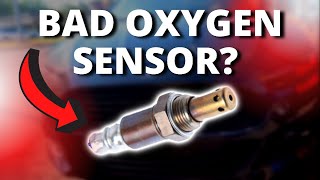
🎬 Watch: A visual guide to symptoms of a bad sensor- Poor Gas Mileage: This is the most common symptom. A bad sensor often tells the computer the engine is running lean (not enough fuel), causing the computer to inject more fuel than needed.
- Rough Idle and Hesitation: An incorrect air-fuel mixture can make the engine run rough, hesitate when you press the gas, or even stall.
- Black Smoke from Exhaust: If you see black smoke, it's a clear sign that the engine is running too rich (burning too much fuel), a common result of a bad O2 sensor.
- Rotten Egg Smell: A strong sulfur smell from the exhaust can mean the O2 sensor has failed, causing the catalytic converter to become overworked and damaged.
- Failed Emissions Test: Increased pollution from an inefficient fuel burn will cause your truck to fail a smog check.
Choosing the Right Aftermarket Oxygen Sensor
Dodge trucks from this era can be sensitive to the brand of sensor you use. While many aftermarket options are available, owner experiences show a clear difference in quality and reliability.
Aftermarket Brand Tiers for Dodge W250
| Tier | Brands | Assessment |
|---|---|---|
| Top Tier (Recommended) | Denso, NGK (NTK) | Consistently recommended by owners as the most reliable, OEM-quality choice. These brands are known to work correctly with the W250's computer system without issues. |
| Mid Tier (Use with Caution) | Bosch | Results are mixed. While some owners use them without problems, many report that Dodge engines "hate Bosch" sensors, leading to performance issues. It's a gamble that might not pay off. |
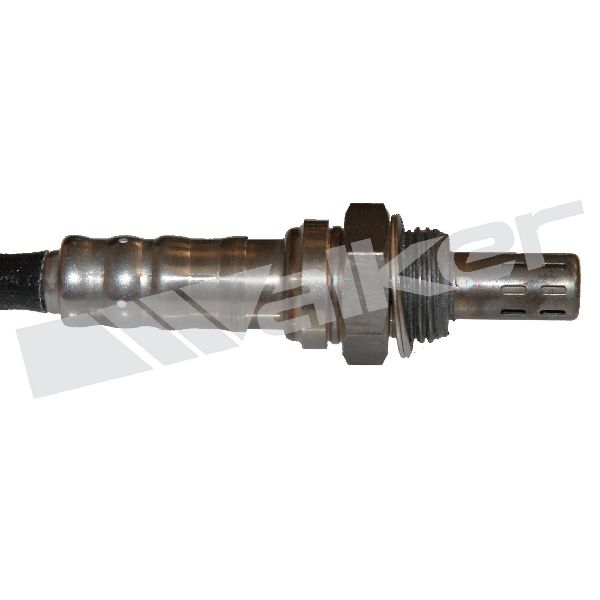
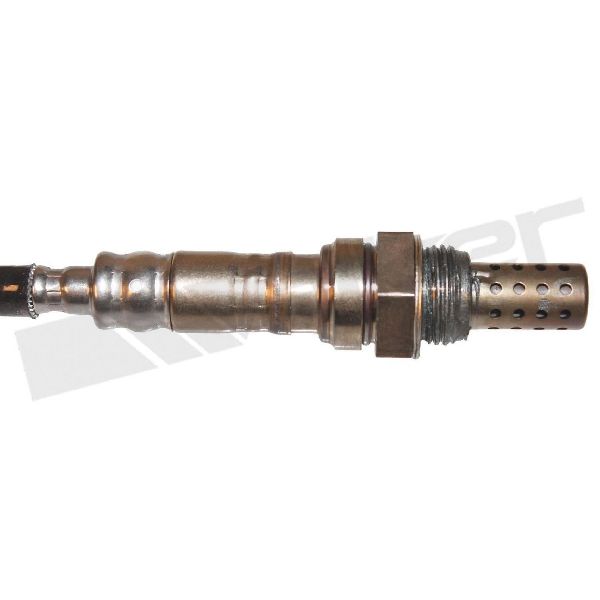
| Economy Tier (Generally Avoid) | Walker Products, DriveWire, other store brands | These are budget-friendly options, but many users report they are low quality and prone to failing quickly, sometimes right out of the box. It is often better to spend a little more on a reliable brand to avoid doing the job twice. |
Installation Tips and Known Issues
The 1988-1993 W250 uses a single upstream oxygen sensor located in the exhaust pipe before the catalytic converter. The replacement is a simple job, but there is one common problem.
When installing the new sensor, apply a small amount of the included anti-seize compound to the threads, but be very careful not to get any on the sensor's tip.
Frequently Asked Questions
Where is the oxygen sensor located on my 1988-1993 W250?
Your truck has one primary (upstream) oxygen sensor. You will find it screwed into the exhaust pipe, between the engine's exhaust manifold and the catalytic converter.
Do I need a special tool to replace the O2 sensor?
Yes, an oxygen sensor socket is highly recommended. It's a socket with a slot on the side for the wire. Using a standard wrench can be difficult and may strip the soft metal of the sensor.
Can I just clean my old oxygen sensor?
No, cleaning is not a reliable fix. The sensor fails because its internal components wear out or get contaminated over time. Given the reasonable cost of a new, high-quality aftermarket sensor, replacement is the only correct solution.
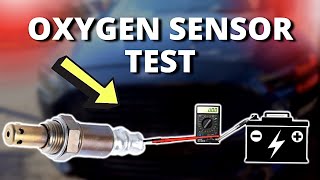
🎬 See how to test an oxygen sensor before replacing itAre there any recalls for the oxygen sensor on this truck?
Searches of the National Highway Traffic Safety Administration (NHTSA) database did not find any specific recalls or Technical Service Bulletins (TSBs) for the oxygen sensor on the 1988-1993 Dodge W250. Recalls found are for much newer model years.
Helpful Videos

Technical Specifications
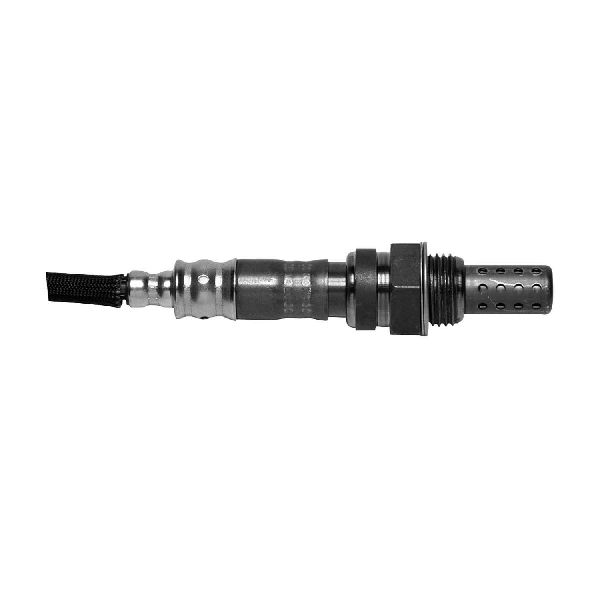
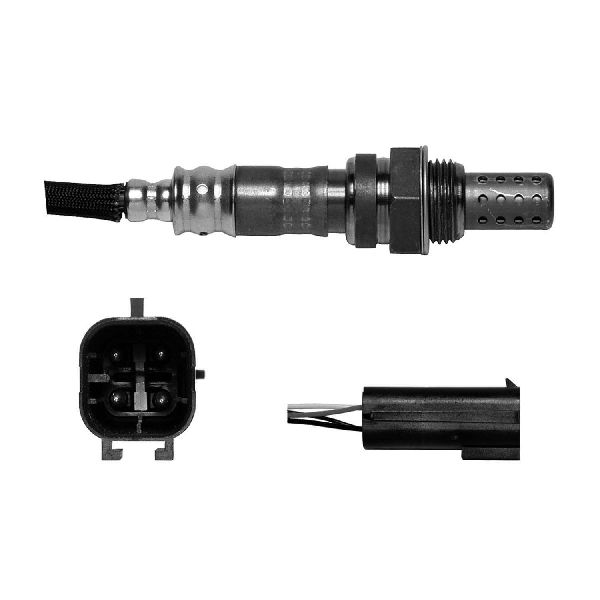
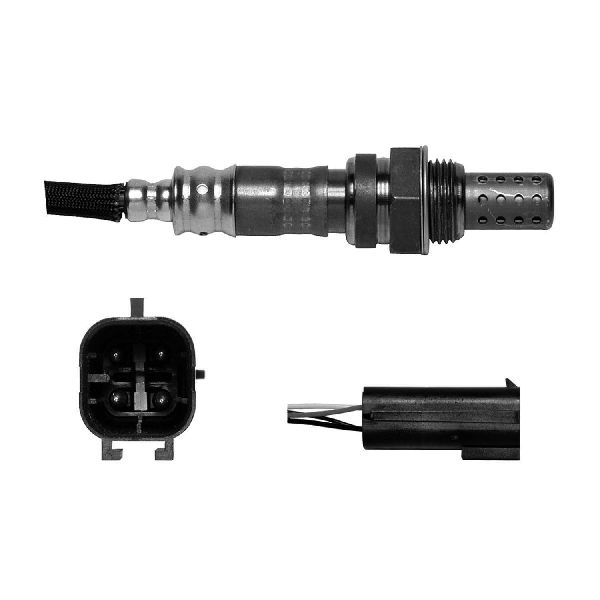
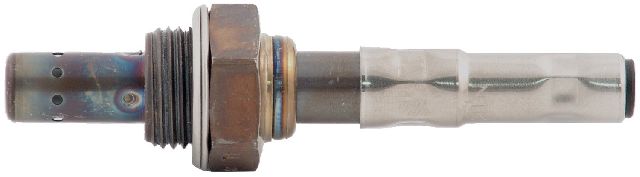
The 1988-1993 Dodge W250 typically uses a single, upstream, 1-wire or 3/4-wire heated oxygen sensor with an M18x1.5 thread size. Common aftermarket part numbers include NGK 23023, Denso 234-4004, and Bosch 13275.
We Have This Part in Stock

The information in this article is provided for general reference and educational purposes only. Vehicle specifications, procedures, and part compatibility can vary by production date, trim level, and region. Always consult your vehicle's factory service manual and verify part numbers before purchasing or performing repairs. Safety-critical components such as airbags, seat belts, and braking systems should be installed by a qualified professional.
- Dodge W250: