

GMC C2500 (1988-1993) Radiator Replacement and Upgrade Guide
Keep your classic GMC truck's engine cool and prevent costly damage by choosing the right new radiator.
- The most common failure is the original plastic side tanks cracking due to age; upgrading to an all-aluminum radiator is a permanent fix.
- You must verify your core width (usually 28 1/4" or 34") and whether you have an engine oil cooler before ordering a replacement.
- Replacing the radiator is a DIY-friendly job that takes about 2 hours with basic tools.
- Always replace the radiator cap, hoses, and thermostat at the same time for a complete and reliable repair.
Signs of a Failing Radiator in Your 1988-1993 GMC C2500
On these GMT400 trucks, radiator failure is common as they age. The original designs often used plastic side tanks crimped to an aluminum or copper core. After 30+ years of heat cycles, this plastic becomes brittle and cracks. Catching the signs of failure early can save you from a blown engine.
- Engine Overheating: This is the most critical sign. If your temperature gauge climbs into the red, your radiator isn't doing its job. You might see steam coming from under the hood.
- Visible Coolant Leaks: Puddles of bright green, yellow, or pink fluid under the front of your truck are a dead giveaway. On these trucks, check the plastic side tanks and where the hoses connect for leaks or crusty residue.
- Low or Discolored Coolant: If you constantly have to add coolant, you have a leak. If the coolant in the overflow tank looks rusty, brown, or sludgy, it means there's internal corrosion, and the radiator is likely clogged.
- Sweet Smell: A distinct sweet smell from your engine bay is the scent of leaking antifreeze (coolant).
Choosing a New Aftermarket Radiator
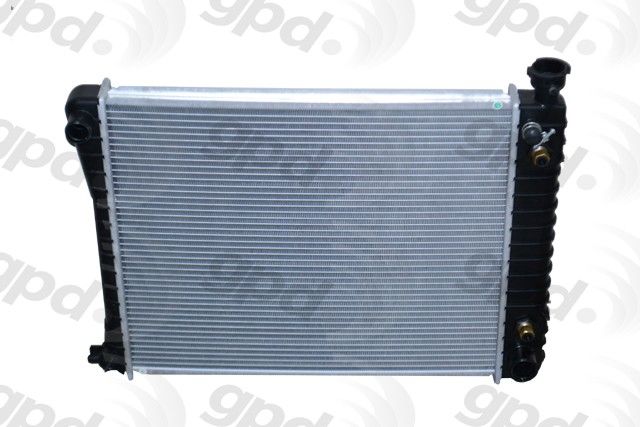
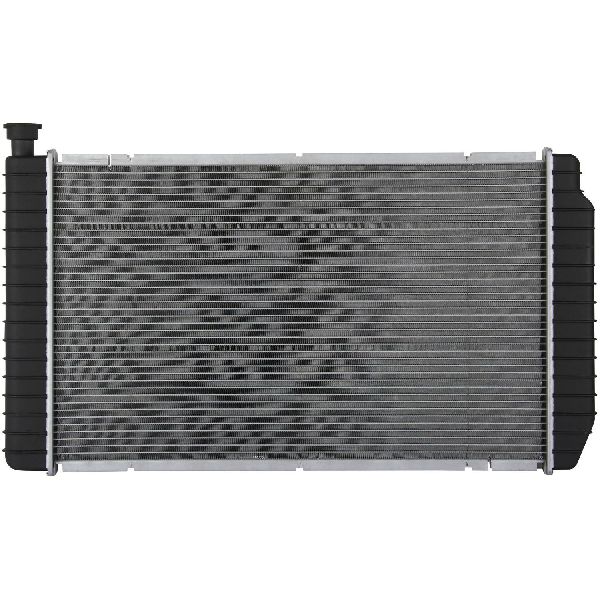
Since OEM radiators from GM are likely discontinued for a truck this age, the aftermarket is your primary source. Aftermarket radiators are designed to function the same as or better than the original part. Quality can vary, so it's important to understand the options.
Brand & Quality Tiers
When shopping for a replacement, you'll find a range of brands. They generally fall into these categories:
- OEM-Equivalent Brands (ACDelco, Spectra): ACDelco is often considered an OEM supplier for GM, but for older vehicles, their parts may be sourced from various manufacturers. Spectra Premium is a well-known aftermarket brand, with many users reporting good fitment on GMT400 trucks. These brands aim for a direct, factory-style fit.
- Standard Aftermarket (APDI, Global Parts, One Stop Solutions): These brands offer a cost-effective solution. Fit and finish are generally good, but it's wise to buy from a retailer with a good warranty and return policy, as manufacturing can be inconsistent.
- Performance/Heavy-Duty (Frostbite): Brands like Frostbite, Mishimoto, and Cold Case offer upgraded, all-aluminum radiators. These are often fully welded, eliminating the plastic tanks that are the most common point of failure. They offer better cooling, which is a good investment if you tow or live in a hot climate.
Common Ordering Mistakes
Before you buy, verify these two critical specifications for your truck:
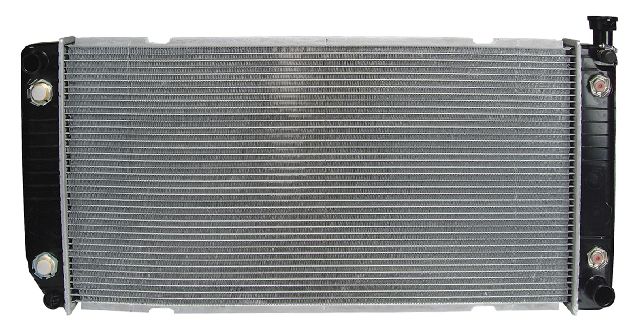
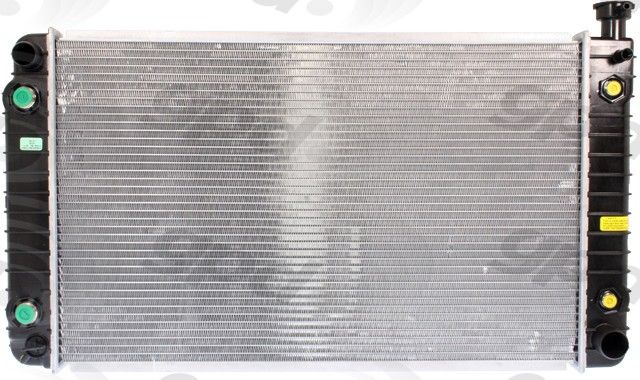
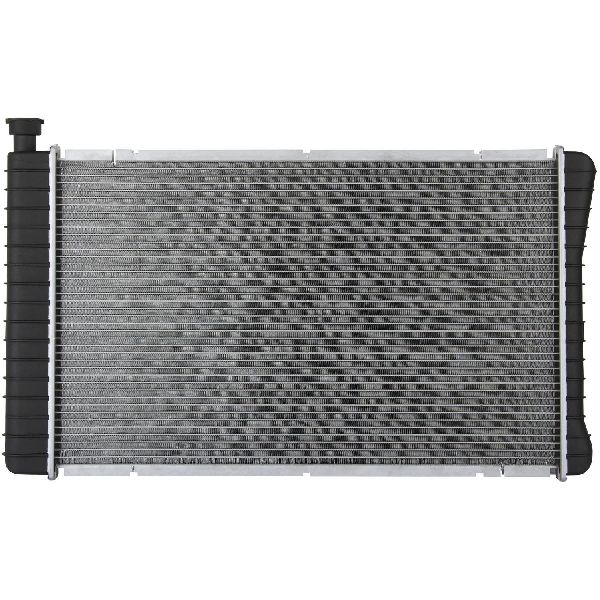
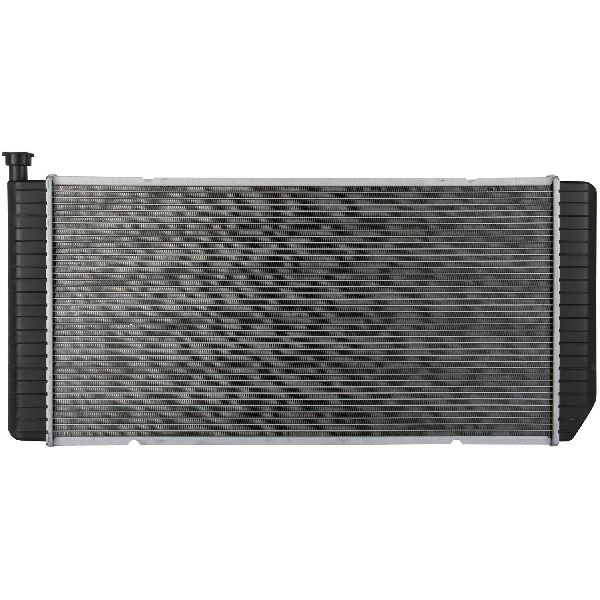
- Core Width: These trucks came with different radiator sizes. The most common core widths are approximately 28 1/4 inches or 34 inches. Measure the finned aluminum area only, not the end tanks.
- Engine Oil Cooler (EOC): Some heavy-duty models had an engine oil cooler integrated into the radiator tank. This is different from the transmission cooler. Check your radiator for a second set of lines (besides the transmission lines). Most replacements are for models WITHOUT an EOC.
Installation & Related Parts
Replacing the radiator on a 1988-1993 C2500 is a straightforward job for a DIYer with basic hand tools. Access is good, and no special tools are required. For a complete and reliable repair, it is highly recommended to replace these parts at the same time:
| Part | Reason for Replacement |
|---|---|
| Radiator Hoses | Old hoses can become soft or brittle and are a common failure point. Replace the upper and lower hoses. |
| Radiator Cap | A new cap ensures the system holds the correct pressure, which raises the coolant's boiling point. |
| Thermostat | This inexpensive part controls coolant flow. Replacing it is cheap insurance against future overheating. |
| Coolant | Never reuse old coolant. Refill with a fresh 50/50 mix of conventional green IAT (Inorganic Additive Technology) coolant and distilled water. |
Frequently Asked Questions (FAQ)
Is it hard to replace the radiator on a 1988-1993 GMC C2500?
No, it is considered a manageable job for someone with basic mechanical skills. The main steps are draining the coolant, removing the fan shroud, disconnecting hoses and cooler lines, and unbolting the radiator. You'll need basic tools like a screwdriver, sockets, and pliers.
What kind of coolant does my truck take?
These trucks originally used conventional green IAT (Inorganic Additive Technology) coolant. You should refill the system with a fresh 50/50 mixture of this type of antifreeze and distilled water.
My truck is still overheating after replacing the radiator. What's wrong?
Common causes include air trapped in the cooling system (it needs to be "bled"), a faulty new thermostat, a bad water pump, or a failing fan clutch that isn't pulling enough air through the radiator.
Are there any recalls on the radiator for this truck?
No, there are no active recalls or widespread Technical Service Bulletins (TSBs) for radiator failure on these trucks. Failures are typically due to age-related wear and tear.
Technical Specifications
OEM Part Numbers: 52478818
Material: Aluminum Core with Plastic Tanks (OEM Style) or All Aluminum (Performance). Core Width: Varies, commonly 28 1/4" or 34". Inlet/Outlet Location: Upper driver side inlet, lower passenger side outlet. Transmission Cooler: Yes, integrated into passenger side tank. Engine Oil Cooler: Optional, not present on most models.
We Have This Part in Stock

The information in this article is provided for general reference and educational purposes only. Vehicle specifications, procedures, and part compatibility can vary by production date, trim level, and region. Always consult your vehicle's factory service manual and verify part numbers before purchasing or performing repairs. Safety-critical components such as airbags, seat belts, and braking systems should be installed by a qualified professional.
- GMC C2500: