

A Guide to Replacing the Radiator in Your 1988-1993 GMC C3500
Keep your classic GMC C3500 running cool and prevent engine damage by choosing the right new radiator.
- The most common failure is cracking of the original plastic side tanks, leading to coolant leaks.
- Replacing the radiator is a straightforward DIY job; the most critical step is bleeding all air from the system afterward.
- Always replace the radiator cap, thermostat, and hoses at the same time for a complete and reliable repair.
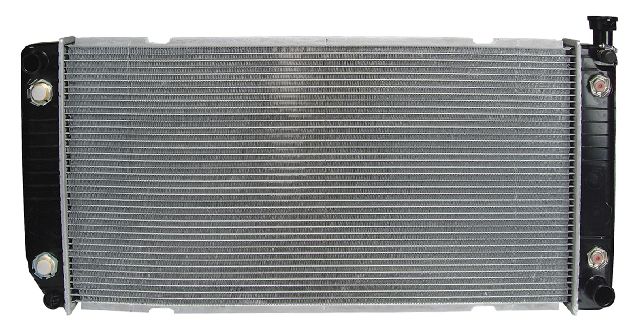
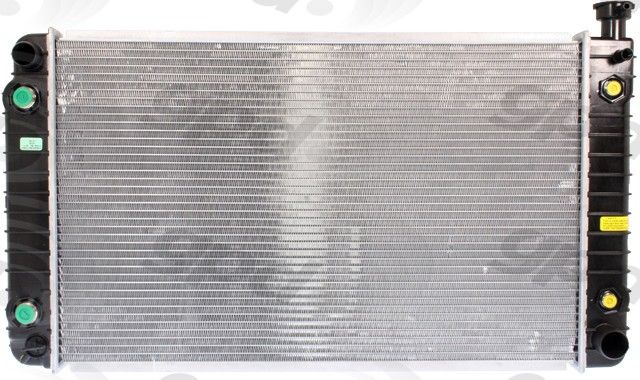
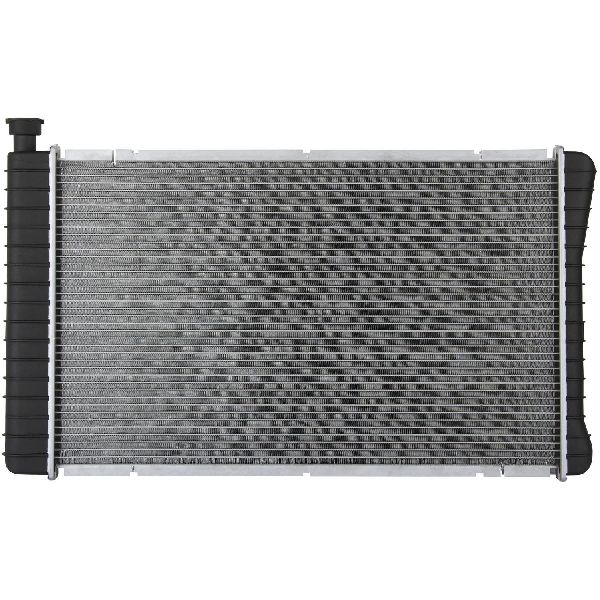
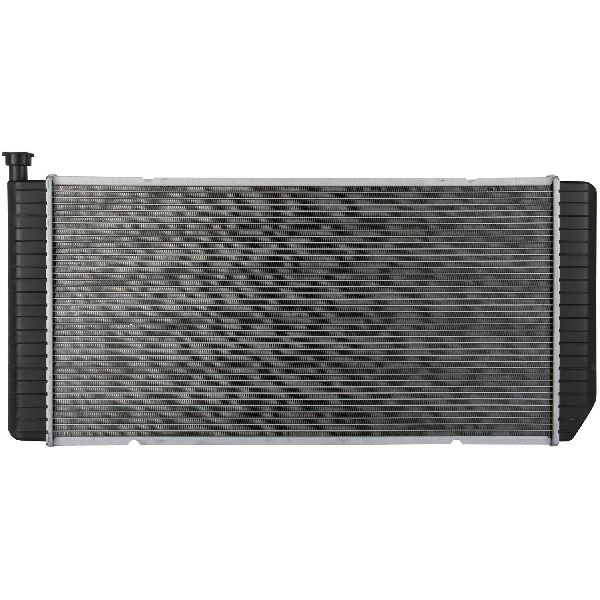
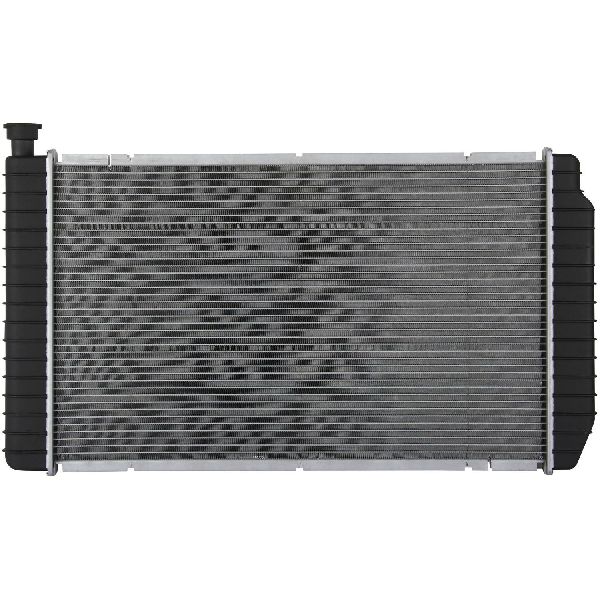
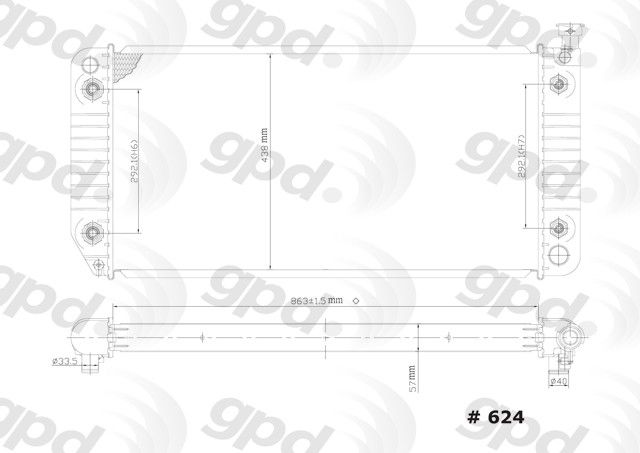
- Before ordering, measure your radiator core width (usually 28.25" or 34") to ensure you get the correct size for your engine.
Is Your Radiator Failing? Common Symptoms
On these 1988-1993 GMT400 trucks, the original radiators are getting old. The most common problem is the plastic tanks on the sides becoming brittle and cracking from years of heat. This can lead to leaks and an overheating engine. Here’s what to watch for:
- Engine Overheating: The temperature gauge on your dash climbing into the red is a clear sign your cooling system isn't working right. This is especially common when idling in traffic or on hot days.
- Visible Coolant Leaks: Finding puddles of green, orange, or pink fluid under the front of your truck means you have a leak. Check the seams where the plastic side tanks are crimped onto the metal center part of the radiator.
- Low Coolant Level: If you constantly have to add coolant to your overflow tank, it's leaking from somewhere. A bad radiator is a likely cause.
- Rusty or Sludgy Coolant: If the coolant in your radiator looks brown, rusty, or oily, it can mean the inside of the radiator is corroding and clogging up. This stops it from cooling effectively.
Choosing the Right Aftermarket Radiator
For a truck of this age, an aftermarket radiator is a smart and affordable choice. The original OEM radiators were good, but modern aftermarket options offer similar or even better performance. They generally fall into a few categories:
Brand Quality Tiers
Performance Tier (All-Aluminum):
- Frostbite: This brand offers all-aluminum radiators that are fully TIG welded. They get rid of the plastic tanks that are the main failure point on stock radiators. This is a great upgrade if you tow heavy loads, live in a hot climate, or just want the most durable option.
OEM-Quality Tier (Plastic Tank & Aluminum Core):
- ACDelco: As GM's original parts brand, ACDelco is a trusted name. However, for these older trucks, some owners feel you can get similar quality from other brands for less money.
- Spectra Premium: This is a very popular aftermarket brand that offers a good balance of quality and price. They are a reliable choice for a standard, drop-in replacement.
Economy & Standard Tier:
- APDI, Global Parts, One Stop Solutions: These brands fall into the economy category. While they are the most affordable, some forum users have reported fitment and quality issues with brands like APDI. They can be a good option if budget is the top priority, but be prepared to double-check fitment and inspect the part carefully before installation.
Cost of Replacing Your Radiator
Here is a general idea of what you can expect to pay for a new radiator for your 1988-1993 GMC C3500.
| Part/Service | Estimated Cost |
|---|---|
| New Aftermarket Radiator | $27 - $336 |
| Shop Labor | $185 - $270 |
| Total Professional Replacement | $212 - $606 |
Frequently Asked Questions (FAQ)
Should I upgrade to an all-aluminum radiator?
An all-aluminum radiator, like those from Frostbite, is a great upgrade for durability. It eliminates the plastic tanks which are the most common point of failure on the original design. If you plan on keeping your truck for a long time, use it for towing, or live in a hot climate, the extra cost is often worth it for peace of mind.
What else should I replace with my radiator?
It is highly recommended to replace the radiator cap, thermostat, and both the upper and lower radiator hoses at the same time. These parts are inexpensive and wear out over time. Replacing them all at once ensures the entire cooling system is reliable and saves you from having to do the job twice.
What kind of coolant should I use?
These trucks originally used a conventional IAT (Inorganic Additive Technology) coolant, which is typically bright green. It is important not to mix it with modern OAT coolants (like orange Dex-Cool), as this can cause the coolant to gel and clog the system. Always use a new 50/50 mix of coolant and distilled water when refilling.
Is replacing the radiator a DIY job?
Yes, for a mechanic with some experience, this is a very doable job. Access is good on these trucks, and it only requires basic hand tools. The key steps are draining the system, removing the fan shroud, disconnecting hoses and cooler lines, and then unbolting the radiator itself. The most critical part of the job is properly bleeding the air out of the system after you refill it with coolant.
Technical Specifications
Vehicle configurations vary. The most important specifications to verify for your 1988-1993 GMC C3500 are the radiator core width (typically 28.25" or 34"), the locations of the inlet/outlet hoses, and the presence and type of transmission cooler fittings. The original coolant type is conventional green IAT.
We Have This Part in Stock

The information in this article is provided for general reference and educational purposes only. Vehicle specifications, procedures, and part compatibility can vary by production date, trim level, and region. Always consult your vehicle's factory service manual and verify part numbers before purchasing or performing repairs. Safety-critical components such as airbags, seat belts, and braking systems should be installed by a qualified professional.
- GMC C3500: