

A Guide to Replacing the Radiator on Your 1988-1993 GMC K3500
Keep your classic GMC workhorse running cool by choosing the right new aftermarket radiator.
- The most common failure is cracks in the plastic side tanks, causing coolant leaks.
- You MUST verify your engine type, radiator core width (e.g., 28" or 34"), and transmission cooler needs before ordering.
- For a reliable, long-term repair, replace the radiator cap, thermostat, and hoses at the same time as the radiator.
- If you tow or haul heavy loads, consider upgrading to a heavy-duty all-aluminum radiator for better cooling.
Is Your K3500 Radiator Failing?
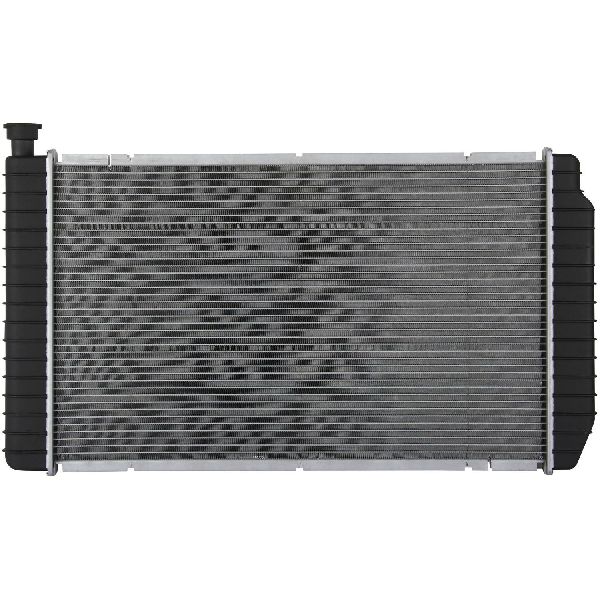
On these GMT400 trucks, the original radiators have plastic tanks attached to an aluminum middle section (the core). After decades of heating up and cooling down, the plastic gets brittle and cracks. This is the most common reason for failure. Look for these signs:
- Engine Overheating: The temperature gauge on your dash climbs into the hot zone. You might see steam coming from under the hood.
- Visible Coolant Leaks: You may find puddles of bright green, yellow, or pink fluid under the front of your truck. This fluid has a distinctly sweet smell.
- Low or Dirty Coolant: If the coolant in the overflow tank is low, or if it looks rusty and brown, it's a sign of a problem. Sludge from corrosion can clog the radiator, making it unable to cool properly.
Choosing the Right Aftermarket Radiator
Since new original GM radiators are generally not available for these trucks, the aftermarket is your go-to source. The key is to pick the right one for your specific truck and needs. Before you buy, you MUST confirm a few things:
- Engine Type: The radiator for a 6.2L or 6.5L Diesel is different from one for a 5.7L or 7.4L gas engine.
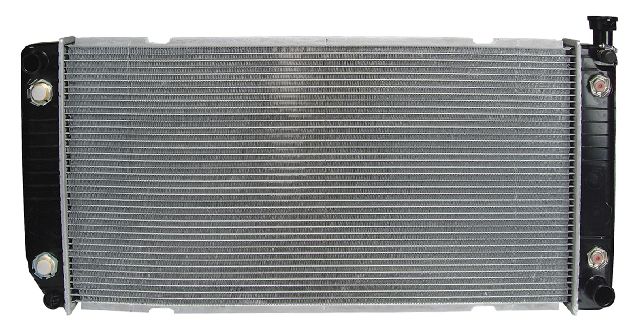
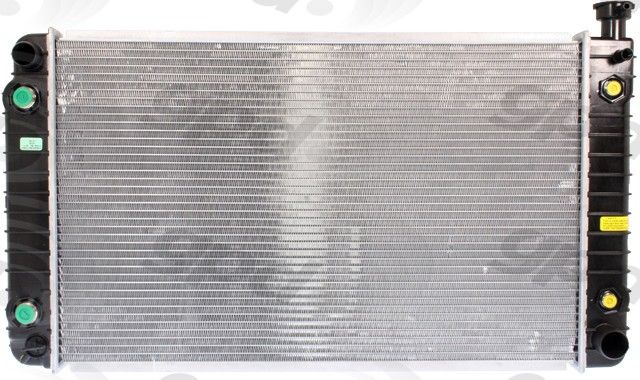
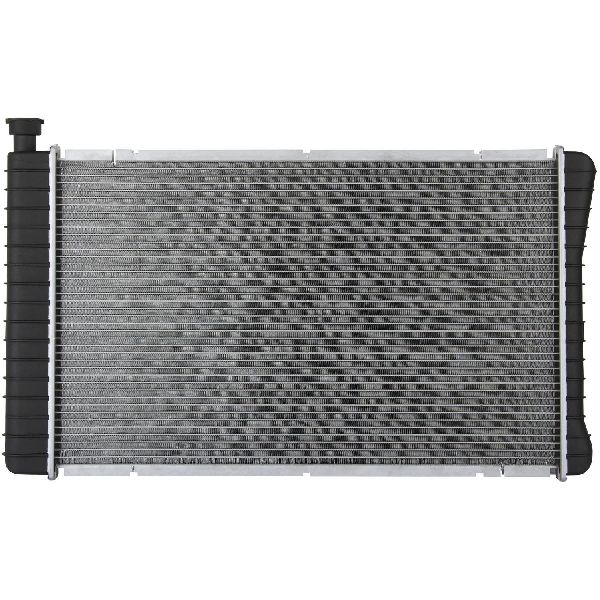
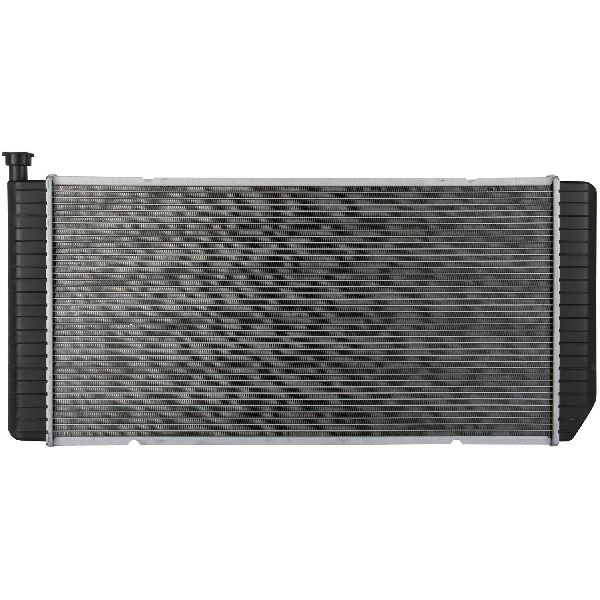
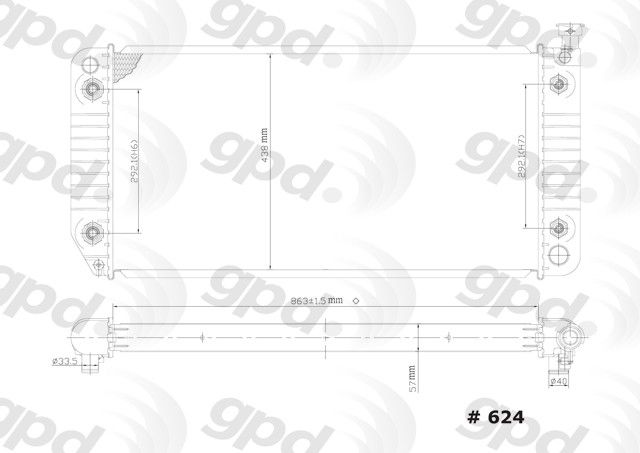
- Core Size: These trucks came with different radiator core widths, commonly 28 inches or 34 inches. Measure your old radiator's core (the finned part) to ensure you order the correct width.
- Cooler Fittings: If you have an automatic transmission, your radiator has a built-in cooler for transmission fluid with fittings on one of the side tanks. Make sure the new radiator has these. Some heavy-duty models also have an engine oil cooler, so verify if you need those fittings as well.
Brand Tiers for Your K3500
Not all brands are the same. They generally fall into a few categories:
- Economy/Standard (APDI, Global Parts, One Stop Solutions, Spectra): These are your standard, budget-friendly replacements. They are designed to work just like the original. Spectra is a widely known brand in this category. For a daily driver that isn't constantly towing, these are a perfectly fine choice. The most important factor is a good warranty and an easy return process in case of shipping damage or defects.
- Heavy-Duty/Performance (Frostbite): Brands like Frostbite offer all-aluminum radiators, often with more cooling rows (e.g., 3-row or 4-row). These provide superior cooling, which is a great upgrade if you tow heavy trailers, haul large loads, or have a modified, higher-horsepower engine. While more expensive, they offer peace of mind under extreme conditions.
Common Ordering Mistakes
The biggest mistake is not checking your truck's specifics. Many owners order a radiator only to find it's the wrong width or doesn't have the right connections for their transmission cooler lines. Take 10 minutes to pop the hood, measure your radiator core, and check which cooler lines go into the side of your current radiator. This will save you a huge headache.
Frequently Asked Questions (FAQ)
Do I need a heavy-duty radiator?
If you use your K3500 for heavy towing or hauling, especially in hot climates, a heavy-duty or all-aluminum radiator is a smart investment. For standard driving, a quality stock replacement is usually sufficient.
What's the difference between a 1-row, 2-row, or 3-row radiator?
This refers to the number of rows of tubes in the radiator's core. More rows mean more surface area and a greater capacity to cool the fluid. A 3-row or 4-row radiator will cool more effectively than a standard 1-row or 2-row model.
Can I replace the radiator myself?
Yes, for most people with basic hand tools, this is a very doable DIY job. The engine bay on these trucks has plenty of room to work. The process involves draining the coolant, removing the fan shroud and hoses, and unbolting the radiator. Expect it to take about two hours.
Should I flush the cooling system when I replace the radiator?
Absolutely. You should never reuse old coolant. When you install the new radiator, it's the perfect time to flush the system to remove any old debris or sludge from the engine block and heater core. Then, refill with a fresh 50/50 mix of antifreeze and distilled water.
Technical Specifications
Core materials are typically aluminum. Tank materials are plastic on OEM-style replacements and aluminum on performance upgrades. Core widths vary, with common sizes being approximately 28 1/4" and 34". Radiators for automatic transmission vehicles will include an integrated transmission fluid cooler.
We Have This Part in Stock

The information in this article is provided for general reference and educational purposes only. Vehicle specifications, procedures, and part compatibility can vary by production date, trim level, and region. Always consult your vehicle's factory service manual and verify part numbers before purchasing or performing repairs. Safety-critical components such as airbags, seat belts, and braking systems should be installed by a qualified professional.
- GMC K3500: