

Engine Coolant Thermostat Guide for the 1988-1994 BMW M5
Keep your high-performance S38 engine from overheating by understanding and choosing the right thermostat.
- A failing thermostat can cause your M5's S38 engine to either overheat or run too cold; both are bad for the engine.
- For reliability, choose an OEM-equivalent brand like Calorstat, Mahle, or Behr.
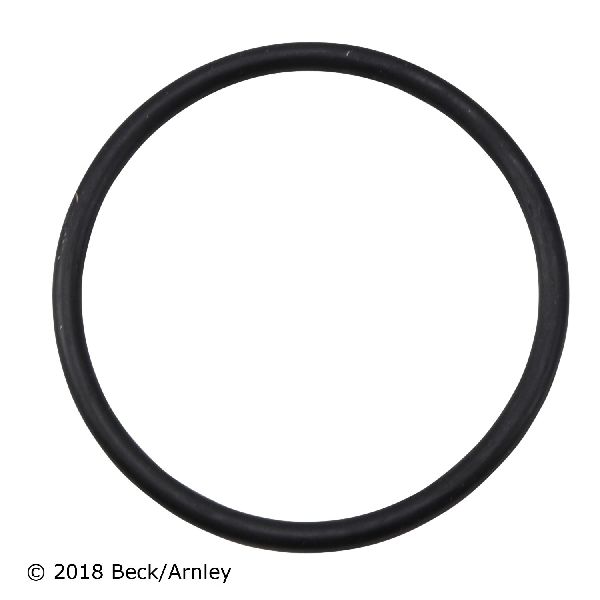
- Always replace the thermostat housing gasket at the same time as the thermostat to prevent leaks.
- Properly bleeding the air from the cooling system after installation is critical to avoid overheating.
Is Your M5's Temperature Gauge Acting Up?
The S38 engine in your E34 or E28 M5 is a masterpiece of engineering, but it's also sensitive to overheating. A faulty thermostat is a common cause of cooling system problems. If it fails stuck closed, your engine can overheat quickly, leading to catastrophic damage like a warped cylinder head. If it fails stuck open, the engine will take too long to warm up, hurting fuel economy and performance, and may trigger a Check Engine Light. Watching your temperature gauge is key; if it's not sitting steadily in the middle after warming up, your thermostat is a likely suspect.
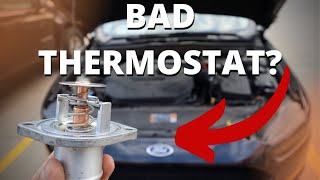
🎬 Learn more about the common symptoms of a failing thermostat.Choosing the Right Aftermarket Thermostat
For a critical part like the thermostat, quality matters. While Genuine BMW parts are an option, several aftermarket brands offer excellent quality, sometimes from the same manufacturer that supplied BMW. Here’s how the common brands stack up for your M5:
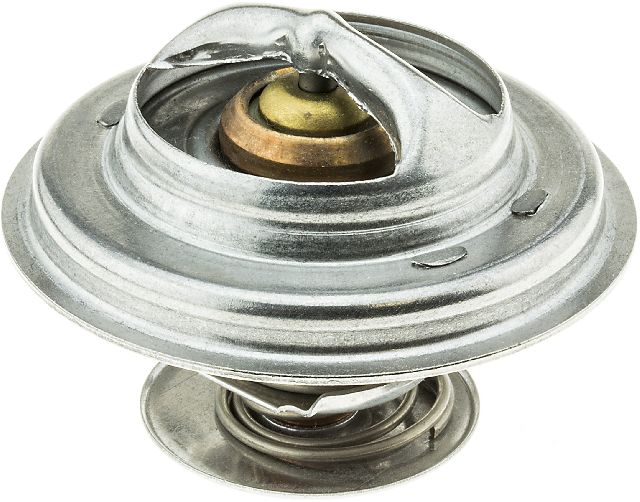
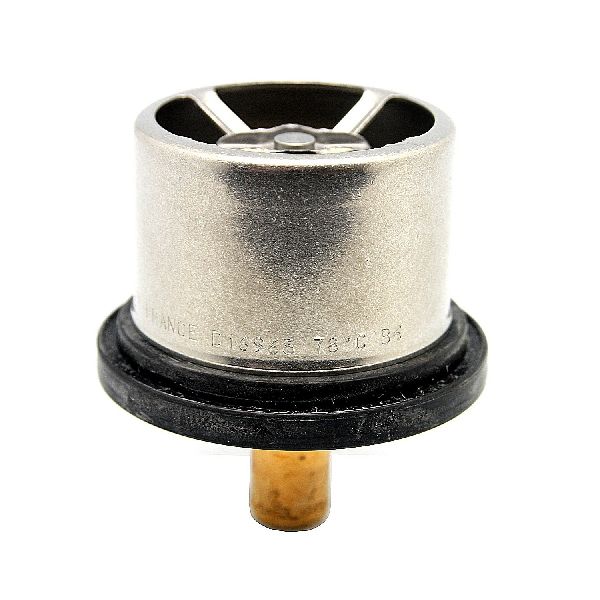
- Tier 1: OEM-Equivalent (Beck Arnley, Calorstat by Vernet): Brands like Mahle, Behr, and Wahler were original equipment suppliers to BMW for this era. Calorstat by Vernet is also a well-regarded European OEM supplier. Beck Arnley often rebottles parts from these OEM suppliers, making them a trustworthy choice. For peace of mind and long-term reliability, sticking to these brands is highly recommended by M5 enthusiasts.
- Tier 2: Reputable Aftermarket (Gates): Gates is a well-known name in the aftermarket, and their thermostats are generally considered reliable. While perhaps not always identical to the original BMW part, they are a solid choice if an OEM-spec brand is unavailable.
- Tier 3: Budget-Friendly (Motorad): Motorad is often a budget-friendly option. While they are an OEM supplier for some car manufacturers, forum discussions show mixed results in European cars. For a high-performance engine like the S38, using a Tier 1 brand is a safer investment to avoid the risk of premature failure and the labor of doing the job twice.
Pro Tip: Replace the Gasket and Check the Housing
Whenever you replace the thermostat, you MUST replace the thermostat housing gasket to prevent leaks. It's also a good time to inspect the thermostat housing itself for any cracks or warping, as the plastic and aluminum housings can degrade over time.
Cost of a New Aftermarket Thermostat
| Part Type | Estimated Cost |
|---|---|
| New Aftermarket Thermostat | $18.36 - $74.13 |
| New OEM (Genuine BMW) Thermostat | $70 - $140 |
| Shop Labor | $150 - $250 |
Note: Labor costs can vary significantly based on your location and the repair shop's hourly rate. The S38 engine requires careful bleeding of the cooling system after replacement, which can add to the labor time.
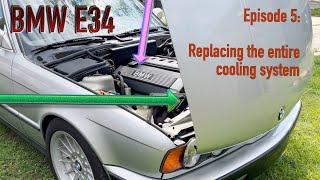
🎬 See a step-by-step video on replacing the entire E34 cooling system.Frequently Asked Questions (FAQ)
What temperature thermostat should I use for my M5?
For the S38 engine in the 1988-1994 M5, the stock thermostat is typically rated at 80°C (176°F) or 82°C (180°F). It is strongly recommended to stick with the stock temperature rating. Using a lower temperature thermostat will not fix an underlying overheating issue and can negatively impact engine performance and fuel efficiency.
Are there any recalls for the thermostat on my M5?
No, there are no specific recalls from the NHTSA for the engine coolant thermostat on the 1988-1994 BMW M5. There was a related recall campaign in 1998 for the radiator cap on E34 models to better manage system pressure during an overheat, but it did not involve replacing the thermostat itself.
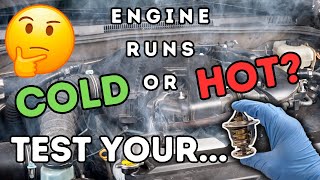
Can I replace the thermostat myself? 🎬 Watch this guide on how to test and replace your thermostat.
Yes, this is a DIY-friendly job for a home mechanic with basic tools. The process involves draining some coolant, removing the thermostat housing, swapping the thermostat and gasket, and reassembling. The most critical part of the job is properly bleeding all the air out of the cooling system afterward to prevent air pockets that can cause overheating.
Should I buy a "fail-safe" thermostat?
Most modern thermostats, including those for BMWs, are designed to fail in the open position to prevent catastrophic engine overheating. Some aftermarket brands market a "fail-safe" feature that locks the thermostat open on the first instance of overheating. While the concept is good, sticking with a high-quality OEM-spec brand that is already designed to fail open is the most reliable choice.
Helpful Videos

Technical Specifications
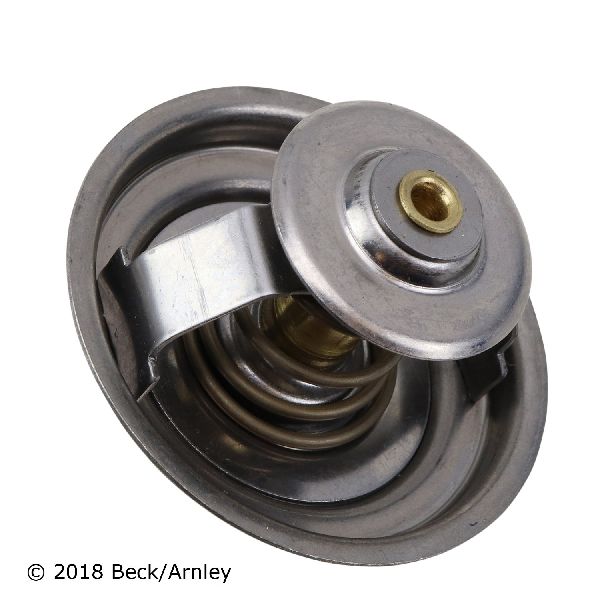
OEM Part Numbers: 11537835558 11531315063 11531407772 11531312288
Standard opening temperature: 80°C (176°F) or 82°C (180°F). Includes O-ring/gasket.
We Have This Part in Stock


The information in this article is provided for general reference and educational purposes only. Vehicle specifications, procedures, and part compatibility can vary by production date, trim level, and region. Always consult your vehicle's factory service manual and verify part numbers before purchasing or performing repairs. Safety-critical components such as airbags, seat belts, and braking systems should be installed by a qualified professional.
- BMW M5: