

1988-1994 BMW M5 Engine Cooling Fan Blade Replacement and Information
Don't let a brittle fan blade cause catastrophic damage to your S38 engine; learn the symptoms and replacement options.
- The plastic fan blade is a known critical failure point on the E34 M5; it becomes brittle with age and can explode, causing major engine bay damage.
- Inspect the fan blade regularly for any hairline cracks, especially around the center hub, and replace it immediately if any are found.
- When replacing the blade, it is strongly recommended to also replace the fan clutch to ensure the entire assembly is reliable.
- The replacement is a straightforward DIY job requiring a 32mm thin wrench and knowledge of the reverse-threaded fan clutch nut.
Is Your M5's Fan Blade a Ticking Time Bomb?
For owners of the classic 1988-1994 (E34) BMW M5, the engine cooling fan blade is more than just a maintenance item—it's a known failure point with serious consequences. Over decades of heat cycles, the original plastic becomes incredibly brittle. This can lead to a catastrophic failure, often called a "fan grenade," where one or more blades break off at high RPM. The resulting shrapnel can destroy the radiator, fan shroud, coolant hoses, and even dent the hood, leading to expensive and extensive repairs. Regular inspection is not just recommended; it's essential for preventing engine damage.
Critical Failure Warning
A failed fan blade can cause immediate and severe damage to multiple engine components. If you suspect your fan blade is cracked, warped, or has made contact with the shroud, do not drive the vehicle. The risk of catastrophic failure is high.
Symptoms of a Failing Fan Blade
Inspecting the fan blade should be a regular part of your maintenance routine. Look for small hairline cracks, especially around the center hub and at the base of each blade. Any sign of cracking means the blade needs immediate replacement.
- Visible Cracks: Hairline fractures in the plastic are the most obvious sign of impending failure.
- Engine Overheating at Idle: While often a sign of a bad fan clutch, a damaged or missing blade can also reduce airflow and cause overheating in traffic.
- Loud Roaring Noise: A fan clutch that is seized can cause the fan to spin too fast, putting excess stress on the blades and creating a loud noise. This can also be a symptom of a failing water pump bearing.
- Contact Marks: Scrapes or marks on the fan shroud or the tips of the fan blades indicate excessive movement, possibly from worn engine mounts or a failing water pump bearing, which can lead to blade failure.
Choosing the Right Aftermarket Fan Blade
When replacing the fan blade on an E34 M5, you have a few options. While a Genuine BMW part is always a safe choice, quality aftermarket parts can offer significant savings. It is highly recommended to replace the fan clutch at the same time as the fan blade.
| Brand Tier | Available Brands | Quality & Cost Assessment |
|---|---|---|
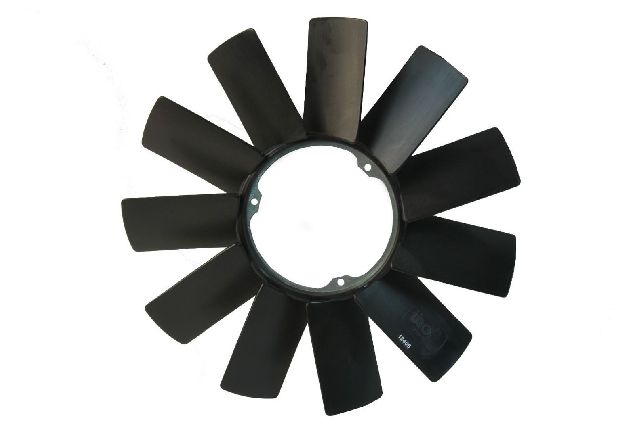
| Premium Aftermarket / OEM Supplier | Febi-Bilstein, Meyle | These brands are often original equipment (OE) suppliers to BMW or produce parts to the same standard. They are a trusted choice for fit and durability, offering a balance between cost and OEM quality. A Febi fan blade is a common and reliable replacement. |
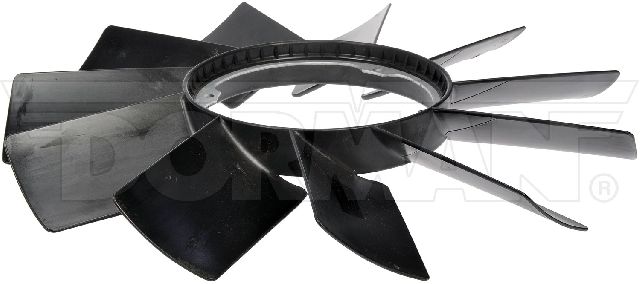
| Standard Aftermarket | Dorman | Dorman is a well-known aftermarket manufacturer that provides a cost-effective alternative. While generally reliable for many components, for a critical part like the M5's fan blade, some owners prefer the peace of mind of an OEM supplier brand. |
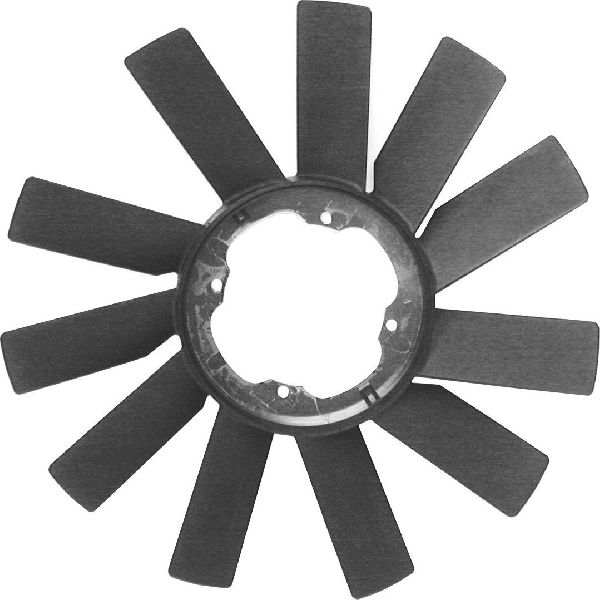
| Economy Aftermarket | URO Parts | URO Parts offers some of the most affordable options. However, owner feedback is mixed across various BMW platforms. Some users report success, while others have experienced premature failures or fitment issues with other URO components. Given the catastrophic potential of a fan blade failure on an M5, this option should be considered with caution. |
Pro Tip: The Fan Clutch Delete Option
Some owners choose to eliminate the mechanical fan and clutch assembly entirely, replacing it with a modern electric fan setup. This can free up minor horsepower, improve cooling efficiency in some situations, and completely removes the risk of a mechanical fan blade failure. However, this requires custom wiring and is a more involved project.
Frequently Asked Questions (FAQ)
How often should I inspect my M5's fan blade?
You should visually inspect the fan blade for cracks during every oil change or at least twice a year. The plastic becomes brittle with age, not just mileage, so even low-mileage cars are at risk.
Is it difficult to replace the fan blade myself?
No, it is a relatively simple DIY job for most home mechanics. The process involves removing the fan shroud and using a special 32mm thin wrench to unscrew the fan clutch, which has a reverse thread. The fan blade is then unbolted from the clutch. The entire job can typically be done in under an hour.
Should I replace the fan clutch and water pump at the same time?
It is highly recommended to replace the fan clutch with the fan blade. A failing clutch can either seize (causing the fan to over-speed) or fail to engage (causing overheating). If your water pump has significant mileage or shows any sign of bearing play (wobble), it is wise to replace it as well to prevent stress on the new fan components.
Are there any recalls for the 1988-1994 M5 fan blade?
No specific recalls were found for the engine cooling fan blade on the 1988-1994 BMW M5. There was a related recall (98V-178) for the radiator cap on E34 models to better manage system pressure during an overheat event, which could indirectly reduce stress on cooling components.
Technical Specifications
OEM Part Numbers: 11521712058
The fan blade for the S38 engine in the E34 M5 is typically an 11-blade design with a diameter of 420mm. It bolts to a viscous fan clutch, which is mounted to the water pump with a reverse-threaded 32mm nut.
We Have This Part in Stock

The information in this article is provided for general reference and educational purposes only. Vehicle specifications, procedures, and part compatibility can vary by production date, trim level, and region. Always consult your vehicle's factory service manual and verify part numbers before purchasing or performing repairs. Safety-critical components such as airbags, seat belts, and braking systems should be installed by a qualified professional.
- BMW M5: