

Chevrolet C2500 Engine Coolant Temperature Sensor Guide (1988-1994)
Is your 1988-1994 C2500 running rough or getting bad gas mileage? The engine coolant temperature sensor could be the problem.
- Your truck has TWO temperature sensors; make sure you are replacing the correct one. The two-wire sensor near the thermostat controls the engine, while the one-wire sensor on the head controls the gauge.
- Symptoms of a bad ECT sensor include poor gas mileage, black smoke, rough idle, and a Check Engine Light with codes 14 or 15.
- This is an easy and inexpensive DIY repair that can be done in under 30 minutes with basic tools.
- Choosing a quality brand like Delphi, NGK, or Standard Ignition is recommended over a basic economy part for sensor accuracy and longevity.
Understanding the Two Temperature Sensors on Your C2500
Before you buy a part, it's critical to know that your 1988-1994 Chevy C2500 has two different sensors for coolant temperature. Ordering the wrong one is a common mistake.
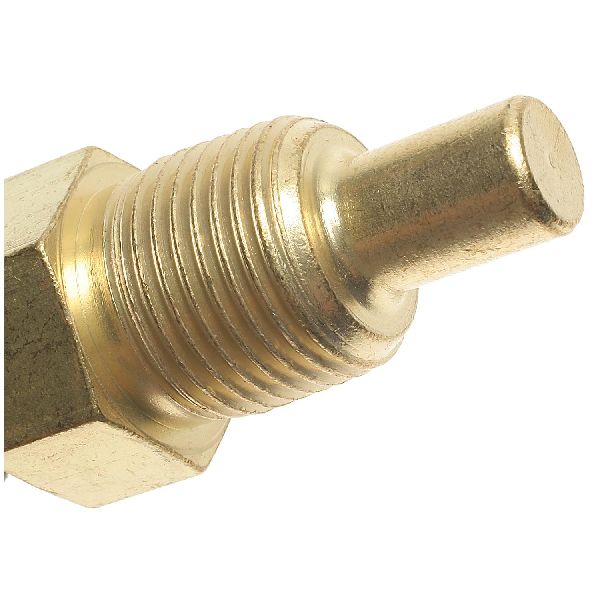
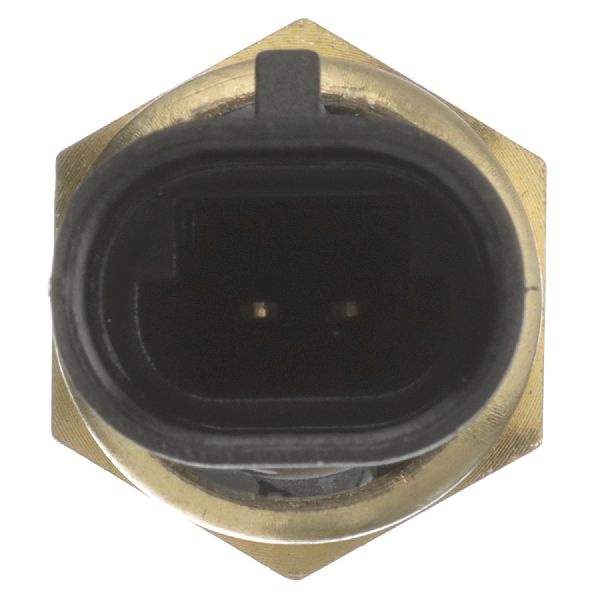
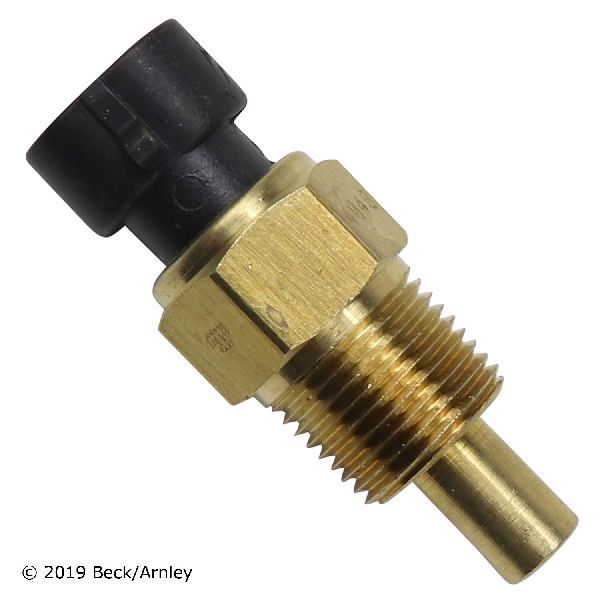
- Engine Coolant Temperature (ECT) Sensor: This is for the engine computer (ECM). It has a two-wire electrical connector and is usually located on the top of the intake manifold, near the thermostat housing. A failure here affects engine performance. This is the part this guide covers.
- Coolant Temperature Sender: This is for the temperature gauge on your dashboard. It has a single wire and is located on the driver's side cylinder head, between the first and third spark plugs. If your gauge is acting up but the truck runs fine, the sender is likely the problem, not the ECT sensor.
Symptoms of a Failing ECT Sensor
When the ECT sensor sends bad information to the engine's computer, it can cause noticeable problems. The computer might think the engine is always cold, leading to poor performance and other issues.
- Poor Fuel Economy: The computer may inject too much fuel, thinking the engine is still warming up.
- Black Smoke from Exhaust: This is a sign of unburned fuel from a rich air-fuel mixture.
- Check Engine Light: On these OBD1 trucks, a bad ECT sensor can trigger fault codes 14 or 15.
- Rough Idle or Stalling: An incorrect fuel mixture makes it hard for the engine to run smoothly at low speeds.
- Hard Starting: The engine gets the wrong amount of fuel for starting, whether it's hot or cold.
- Engine Overheating: On models with electric fans, a bad sensor might fail to tell the fans to turn on when the engine gets hot.
Is Your Temperature Gauge the Problem?
If your temperature gauge on the dash reads incorrectly (stuck on cold or hot) but your truck seems to run normally, you likely need the single-wire temperature sender located on the cylinder head, not the two-wire ECT sensor for the computer.
Choosing the Right Aftermarket ECT Sensor
For a critical sensor like this, quality matters more than price. A cheap, inaccurate sensor can cause the same problems as a broken one. While an OEM ACDelco part is a safe bet, several aftermarket brands offer excellent quality, sometimes from the same factory that made the original part.
| Brand Tier | Brands | Quality & Value Assessment |
|---|---|---|
| OE-Equivalent / Premium | Delphi, NGK, Standard Ignition (SMP) | Delphi was an original equipment manufacturer for GM, making their parts a top choice for fit and accuracy. NGK (also known as NTK for sensors) and Standard Motor Products are also highly regarded for their quality and reliability in the professional mechanic community. Spend a few extra dollars here for peace of mind. |
| Quality Aftermarket | Beck Arnley, Hella, Four Seasons | These are trusted aftermarket brands that provide a good balance of quality and price. They are generally reliable for daily driver use and are a solid step up from basic economy parts. |
| Economy | True Tech, Global Parts | While these parts are the most affordable, their long-term accuracy and durability can be inconsistent. For a sensor that directly impacts engine performance and fuel use, it's often better to invest in a higher-tier brand to avoid future headaches. |
Pro Tip: Check the Connector
Before installing the new sensor, inspect the wiring harness connector. If it's cracked, brittle, or the terminals inside are corroded, it's a good idea to replace the connector pigtail. A bad connection can cause the same issues as a bad sensor.
Frequently Asked Questions (FAQ)
Where is the ECT sensor located on a 1988-1994 C2500?
The two-wire ECT sensor for the computer is located on the front of the intake manifold, typically right next to the thermostat housing where the main radiator hose connects to the top of the engine.
Can I replace the ECT sensor myself?
Yes, this is a very DIY-friendly job. It usually takes less than 30 minutes with basic tools. You'll need a deep socket wrench (a 13/16" socket is common for this job). Just be sure to let the engine cool down completely before you start.
Will I lose a lot of coolant when I change the sensor?
You will lose some coolant when you unscrew the old sensor. To minimize the loss, have the new sensor ready to go. As soon as you pull the old one out, quickly thread the new one in by hand to plug the hole. Afterwards, top off the coolant in the radiator or overflow tank as needed.
Are there any recalls for the ECT sensor on this truck?
No, searches of the National Highway Traffic Safety Administration (NHTSA) database and other sources show no specific recalls or technical service bulletins (TSBs) for the engine coolant temperature sensor on the 1988-1994 Chevrolet C2500.
Technical Specifications
OEM Part Numbers: 213-77 213-4333 12146312 15326386
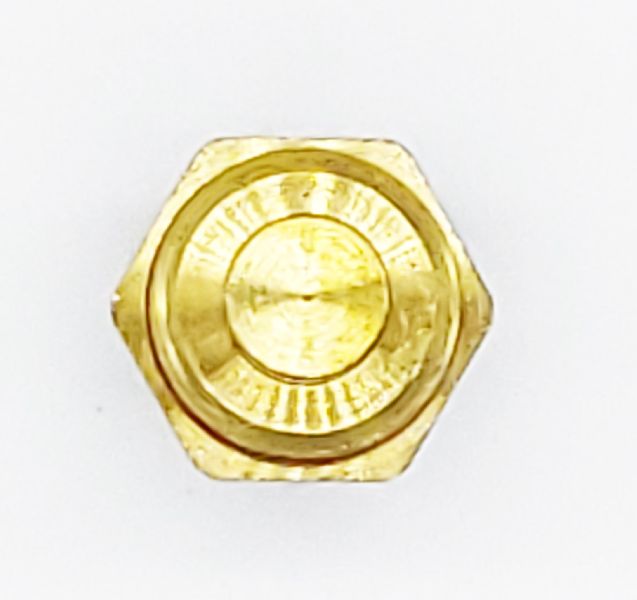
Location: Intake Manifold, near Thermostat Housing. Connector: 2-wire plug. Common Thread Sizes: 3/8-18 Inch or 1/2-14 Inch. Always verify the specific part for your engine and year.
We Have This Part in Stock



The information in this article is provided for general reference and educational purposes only. Vehicle specifications, procedures, and part compatibility can vary by production date, trim level, and region. Always consult your vehicle's factory service manual and verify part numbers before purchasing or performing repairs. Safety-critical components such as airbags, seat belts, and braking systems should be installed by a qualified professional.
- Chevrolet C2500: