

Dodge B250 Oxygen Sensor Guide for 1988-1994 Models
Fix your van's poor fuel economy and rough idle by understanding and choosing the right oxygen sensor.
- Your van has only one upstream O2 sensor.
- Symptoms of failure include bad MPG, rough idle, and a Check Engine Light (Code 21, 51, or 52).
- For best results, choose a direct-fit sensor from Denso or NGK (NTK), as they are known to work well with older Dodge systems.
- For 1993-94 models, check for the TSB regarding contamination from the speed sensor; you may need to replace it and add a jumper harness.
Is Your Dodge B250 Oxygen Sensor Failing?
A bad oxygen sensor can cause noticeable problems with how your van drives. Because this sensor directly controls the air-fuel mixture, a failure often leads to the engine running too rich (too much fuel) or too lean (not enough fuel). Ignoring the symptoms can lead to more expensive repairs down the road, like a damaged catalytic converter.
Common Symptoms of a Bad O2 Sensor:
- Check Engine Light: For these OBD-I vans, a failure can trigger the Check Engine Light. A common code is 21, or 51 and 52 on later models.
- Poor Fuel Economy: One of the most common signs. The engine's computer guesses the fuel mixture, and it usually guesses rich, wasting gas.
- Rough Idle and Stalling: The engine may shake, idle unevenly, or even stall when you come to a stop.
- Black Smoke or Rotten Egg Smell: Black smoke from the tailpipe indicates a rich fuel mixture. A sulfur or "rotten egg" smell can mean the catalytic converter is overheating from unburned fuel.
- Failed Emissions Test: An incorrect air-fuel ratio will cause your van to fail a smog check.
Known Issue for 1993-1994 Models
A Technical Service Bulletin (TSB #18-03-94) was issued for 1993-1994 Dodge vans. A failing vehicle speed sensor on the transmission could leak fluid through the wiring harness, contaminating and destroying the oxygen sensor. Symptoms include a rough running engine and trouble codes 51 or 52. The official fix involves replacing the O2 sensor, the speed sensor, and installing a special jumper harness (Part No. 4773691) to prevent it from happening again.
Choosing the Right Aftermarket Oxygen Sensor
For a vehicle of this age, aftermarket sensors offer excellent value and availability. However, not all brands perform the same, and older Dodge fuel injection systems can be sensitive to sensor quality. Here’s a breakdown of reliable brands.
Premium Brands: Denso & NGK (NTK)
Denso and NGK (which sells sensors under the NTK brand) are widely regarded as the best choices for 1990s Dodge trucks. Forum members and mechanics report these brands perform just like the original OEM part, with fast response times and long life. If you want a fit-and-forget repair with the highest chance of success, choose one of these two.
Quality Alternatives: Bosch & Delphi
Bosch is a massive sensor manufacturer, but their aftermarket sensors have mixed reviews for this era of Chrysler/Dodge vehicles. While some users have no issues, others report shorter lifespans or compatibility problems compared to Denso or NTK. Delphi is another reputable OEM supplier that makes quality sensors, though they are less commonly discussed for this specific application. These are solid choices but may not be as consistently reliable as the premium options for your B250.
Economy Brands: Walker Products & DriveWire
Brands like Walker and DriveWire offer a budget-friendly option. Walker is a well-known exhaust and emissions component company. These sensors will get the job done, but may not have the same longevity or precise calibration as the premium brands. They can be a good choice if budget is the primary concern.
Pro Tip: Direct-Fit vs. Universal
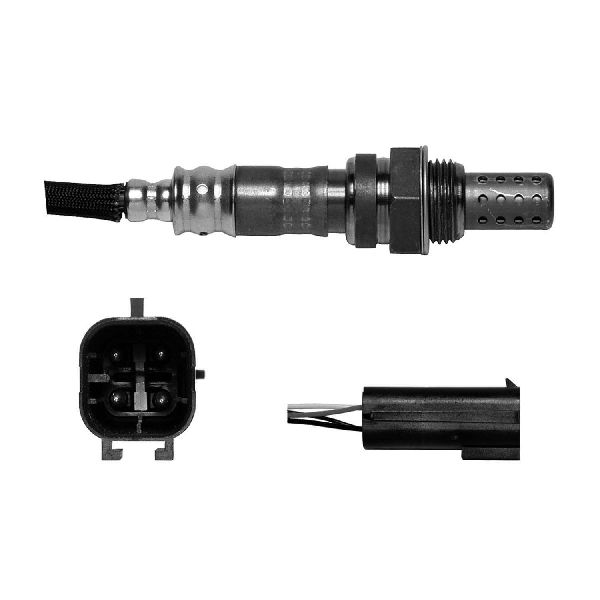
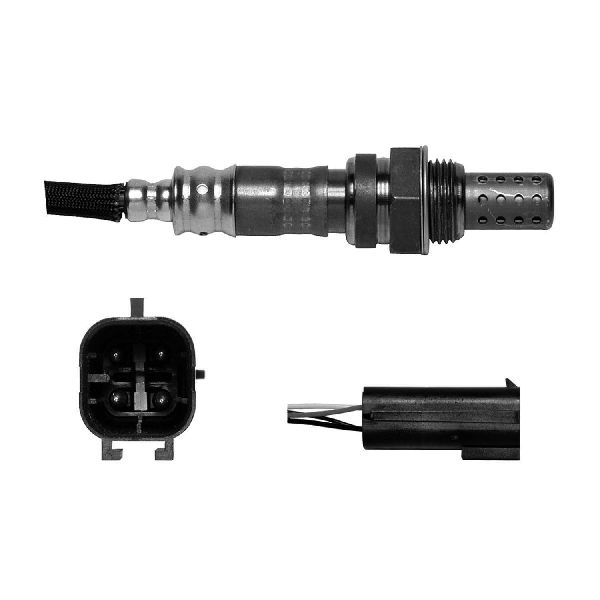
Always choose a "direct-fit" sensor. These come with the correct-length wire and factory-style electrical connector for a simple plug-and-play installation. Universal sensors require you to cut your old connector off and splice it onto the new sensor, which can create a point of failure.
Oxygen Sensor Replacement Cost for 1988-1994 Dodge B250
The cost to replace the oxygen sensor is reasonable, especially if you do it yourself. The main cost is the part itself.
| Item | Estimated Cost |
|---|---|
| New Aftermarket Oxygen Sensor | $40 - $95 |
| Shop Labor | $60 - $120 |
| Total Professional Replacement | $100 - $215 |
Frequently Asked Questions
How many oxygen sensors does my 1988-1994 B250 have?
Your van has only one oxygen sensor. It is an "upstream" sensor located in the exhaust system before the catalytic converter.
Can I replace the O2 sensor myself?
Yes, this is a DIY-friendly job for most home mechanics. The main challenge is that the old sensor can be rusted tightly into the exhaust pipe. You will need a special oxygen sensor socket that allows the wire to pass through, a ratchet with an extension, and plenty of penetrating oil to loosen the old sensor.
Where is the oxygen sensor located?
Look for it screwed into the exhaust pipe. It will be located either on the passenger-side exhaust manifold or just after the spot where the two sides of the exhaust merge into one pipe (the Y-pipe), but always before the catalytic converter.
What happens if I don't replace a bad O2 sensor?
You will continue to have poor performance and terrible gas mileage. Over time, the rich fuel mixture can dump unburned fuel into the exhaust, which can overheat and destroy your catalytic converter—a much more expensive part to replace.
Technical Specifications
OEM Part Numbers: 56005925
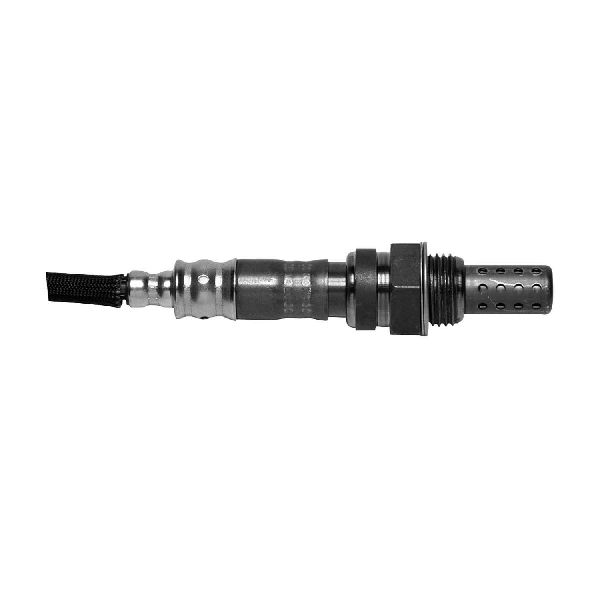
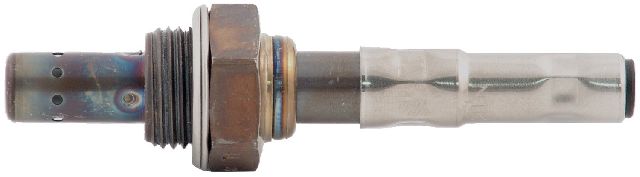
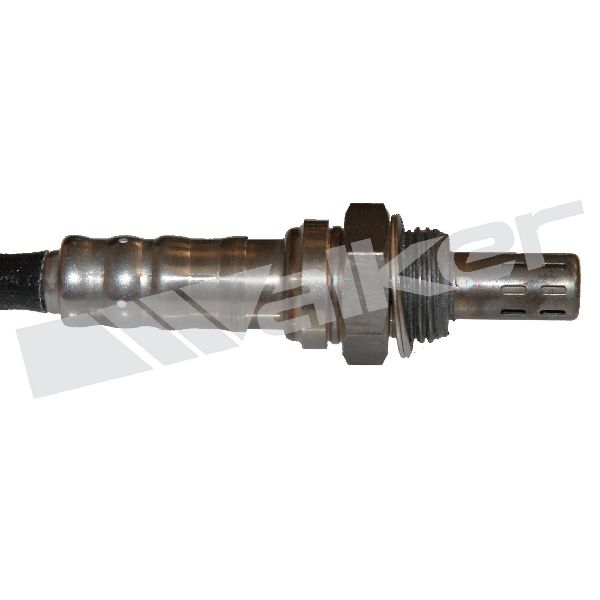
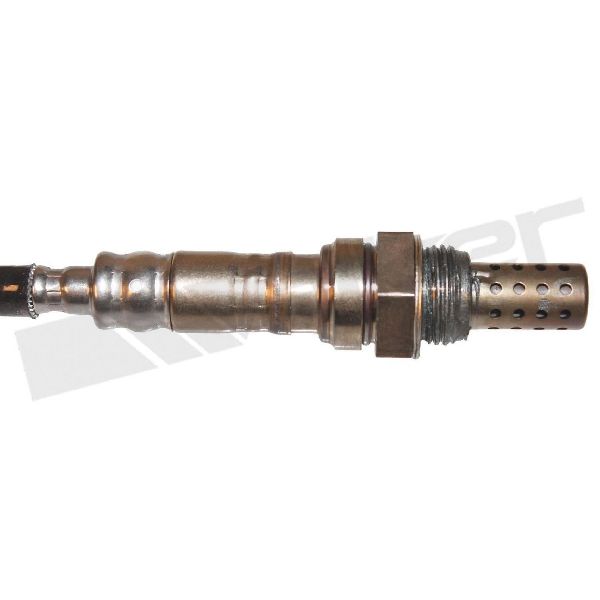
Single upstream oxygen sensor, typically with a 1, 2, 3, or 4-wire configuration depending on year and engine. Direct-fit connector is recommended.
We Have This Part in Stock

The information in this article is provided for general reference and educational purposes only. Vehicle specifications, procedures, and part compatibility can vary by production date, trim level, and region. Always consult your vehicle's factory service manual and verify part numbers before purchasing or performing repairs. Safety-critical components such as airbags, seat belts, and braking systems should be installed by a qualified professional.
- Dodge B250:
- 🛍️ Shop This Part
- Is Your Dodge B250 Oxygen Sensor Failing?
- Common Symptoms of a Bad O2 Sensor:
- Known Issue for 1993-1994 Models
- Choosing the Right Aftermarket Oxygen Sensor
- Premium Brands: Denso & NGK (NTK)
- Quality Alternatives: Bosch & Delphi
- Economy Brands: Walker Products & DriveWire
- Pro Tip: Direct-Fit vs. Universal
- Oxygen Sensor Replacement Cost for 1988-1994 Dodge B250
- Frequently Asked Questions
- 🎟️ Get 5% Off