

Dodge B350 1988-1994 Oxygen Sensor: A Complete Guide
Fix your van's poor gas mileage and rough running by choosing the right oxygen sensor.
- Your 1988-1994 B350 has only one upstream O2 sensor.
- Choose a direct-fit sensor from a reputable brand like Denso or NGK/NTK for best results.
- An O2 sensor socket is essential for DIY replacement and will make the job much easier.
- Soak the old sensor with penetrating oil before removal to avoid stripping the threads in the exhaust pipe.
Is Your B350's Oxygen Sensor Failing?
An oxygen sensor doesn't last forever, especially on a hard-working van. When it starts to fail, it can cause a number of noticeable problems. Because these vans use an On-Board Diagnostics (OBD-I) system, you might get a "Check Engine" light. A common fault code for a bad O2 sensor on these models is code 21, which can be retrieved using the 'key dance' method.
Common Symptoms of a Bad O2 Sensor:
- Poor Fuel Economy: This is the most common sign. If you find yourself at the gas station more often, a failing O2 sensor is a likely culprit.
- Rough Idle or Surging: The engine may idle unevenly or surge while driving as the computer struggles with incorrect data from the sensor.
- Engine Stalling or Hesitation: A complete failure of the sensor can cause your van to hesitate or stall, especially under acceleration.
- Black Smoke from Exhaust: If you see black smoke, it means the engine is running rich (too much fuel), a classic symptom of a bad O2 sensor telling the computer the mix is lean.
- Failed Emissions Test: A bad O2 sensor will almost guarantee a failed emissions test due to high levels of carbon monoxide.
Choosing the Right Aftermarket Oxygen Sensor
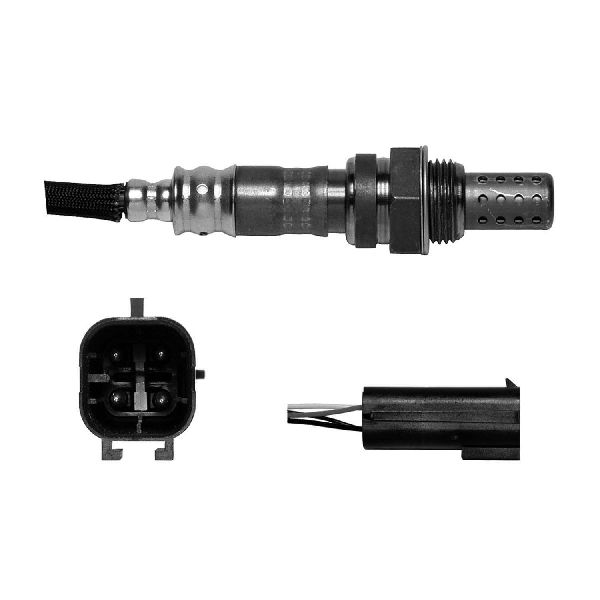
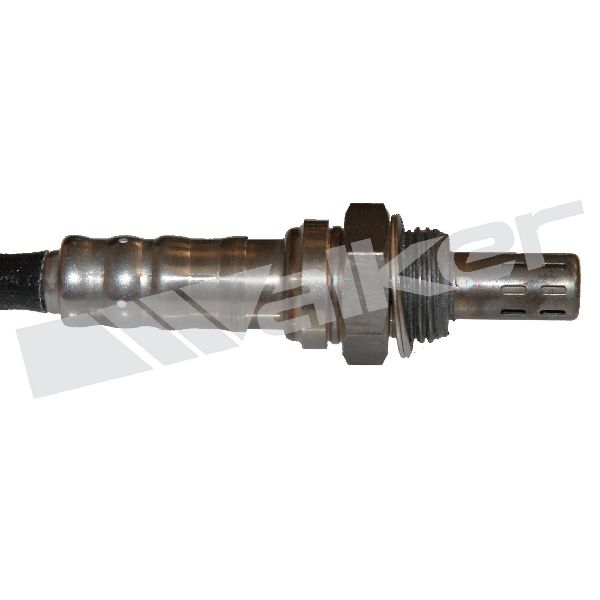
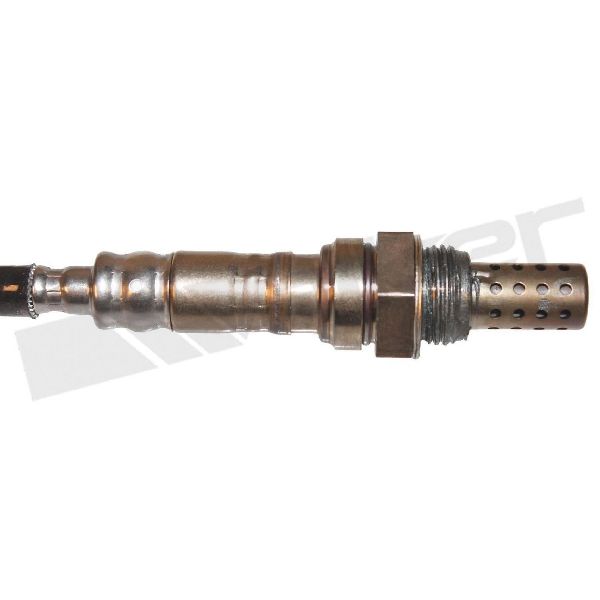
For a 1988-1994 Dodge B350, you don't need to buy an expensive OEM part from a dealer to get good performance. Many aftermarket brands offer excellent quality, and some are even the original suppliers to automakers. The most important thing is to buy a direct-fit sensor. Avoid universal sensors that require you to cut and splice wires, as this can lead to connection problems down the road. Your van has a single, upstream oxygen sensor located before the catalytic converter.
Brand Quality Tiers
Based on owner feedback for older Dodge trucks, here is a general breakdown of brand reputation:
- Top Tier (Highly Recommended): Denso and NGK (also sold as NTK). These brands are frequently original equipment manufacturers and are known for their reliability and compatibility with Dodge vehicles of this era. Owners consistently report good results with these brands.
- Mid Tier (Good Value): Bosch, Delphi, and Walker Products. Bosch is a massive O2 sensor manufacturer, but their sensors sometimes have mixed reviews on older American vehicles. Delphi and Walker are solid aftermarket choices that generally offer good performance for the price.
- Economy Tier: DriveWire and other private label store brands. These are the most affordable options and can be a good choice if budget is the primary concern, but their long-term durability may not match the top-tier brands.
Estimated Part & Labor Costs
| Part / Service | Estimated Cost |
|---|---|
| New Aftermarket Oxygen Sensor | $40.84 - $87.32 |
| New OEM Oxygen Sensor | $90 - $160+ |
| Shop Labor for Installation | $60 - $120 |
Known Issues & Recalls
There are no active recalls or common Technical Service Bulletins (TSBs) from Dodge for the oxygen sensor on the 1988-1994 B350. The most common issue you will face during replacement is the old sensor being seized in the exhaust pipe due to decades of heat cycles and rust. Soaking the sensor threads with a quality penetrating oil (like PB Blaster) for several hours or overnight before attempting removal is highly recommended.
Frequently Asked Questions (FAQ)
How many oxygen sensors does my 1988-1994 B350 have?
Your van has only one oxygen sensor. It is an "upstream" sensor located in the exhaust system before the catalytic converter.
Where is the oxygen sensor located?
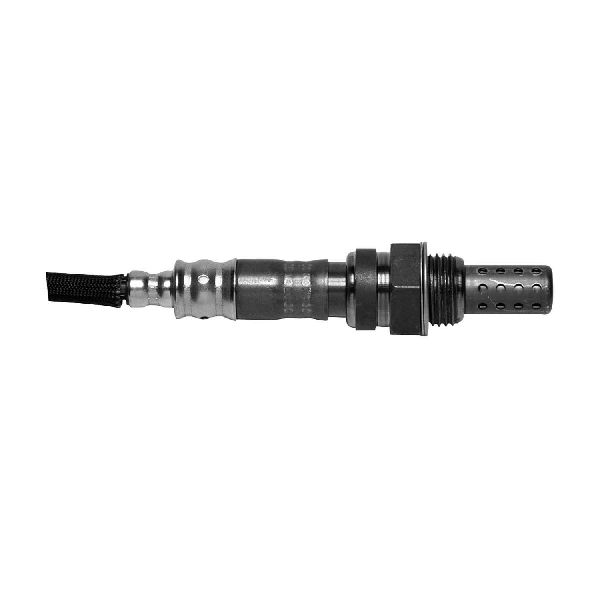
The sensor is screwed into the exhaust pipe, usually on the passenger side where the exhaust manifolds merge into a single pipe (the Y-pipe). Look for a small component with a wire coming out of it, located between the engine and the catalytic converter.
Do I need a special tool to replace the O2 sensor?
Yes, it is highly recommended. An oxygen sensor socket is a special deep socket with a slit down the side to accommodate the sensor's wire. Using this tool prevents damage to the wire and provides the best leverage. They are inexpensive and available at any auto parts store.
Can I just clean my old oxygen sensor?
While some people attempt to clean O2 sensors, it is not a reliable or recommended repair. The sensor fails because its internal chemical sensing elements wear out, not just because it's dirty. Given the low cost of a new aftermarket sensor, replacement is the only guaranteed fix.
Technical Specifications
Location: Upstream (pre-catalytic converter), Quantity: 1
We Have This Part in Stock

The information in this article is provided for general reference and educational purposes only. Vehicle specifications, procedures, and part compatibility can vary by production date, trim level, and region. Always consult your vehicle's factory service manual and verify part numbers before purchasing or performing repairs. Safety-critical components such as airbags, seat belts, and braking systems should be installed by a qualified professional.
- Dodge B350: