

Throttle Position Sensor (TPS) Guide for the 1988-1994 Dodge B350
Solve hesitation, stalling, and poor shifting by understanding and replacing your van's throttle position sensor.
- A faulty TPS is a primary cause of automatic transmission shifting problems in these vans.
- Symptoms include hesitation, rough idle, stalling, and poor shifting performance.
- Replacement is very easy for a DIY mechanic and requires only basic tools.
- While budget parts are available, investing in a premium brand like NGK or Standard Ignition is recommended for reliability.
Is Your Dodge B350's Throttle Position Sensor Failing?
A bad throttle position sensor can make your reliable B350 feel unpredictable. Because this sensor provides critical data for both the engine and transmission, a faulty one can cause a wide range of problems. Being aware of the signs can save you from chasing other, more expensive issues.
Common Symptoms of a Bad TPS:
- Hesitation and Stumbling: The van may hesitate or stumble when you press the gas pedal, feeling like it's losing power for a moment.
- Rough or Unstable Idle: The engine might idle too high, too low, or surge up and down on its own.
- Poor Automatic Shifting: You might experience hard shifts, delayed shifting, or the transmission may not shift into overdrive. This is a very common symptom for this generation of Dodge vans.
- Sudden Surging or Bucking: The van might unexpectedly surge forward or jerk while driving at a steady speed.
- Engine Stalling: In more severe cases, a failing TPS can cause the engine to stall, sometimes unexpectedly while driving.
- Check Engine Light: A failing TPS will often trigger the Check Engine Light, though on these pre-OBDII vans, you will need a specific tool to read the fault codes.
No Recalls or Specific TSBs Found
Searches of the National Highway Traffic Safety Administration (NHTSA) database and technical service bulletins (TSBs) did not show any specific recalls or bulletins related to the throttle position sensor for the 1988-1994 Dodge B350.
Choosing the Right Aftermarket TPS
For a vehicle like the 1988-1994 B350, the original Mopar TPS may be difficult to find or very expensive. The aftermarket offers a wide range of options, but quality can vary. Here’s how to think about the brands available.
Premium Brands (NGK, Delphi, Standard Ignition):
These companies are often original equipment (OE) suppliers for many automakers and have a reputation for quality control and rigorous testing. Brands like NGK (under their NTK sensor line) and Standard Motor Products (SMP) are generally trusted by professional mechanics. Choosing a part from this tier gives you the best chance of a long-lasting, reliable repair that performs like the original.
Standard/Mid-Tier Brands (Walker Products, Global Parts):
These brands offer a balance of quality and value. Walker Products, for example, promotes its parts as being 100% tested and meeting OE standards for fit and function. For many owners, a part from this tier is a perfectly acceptable and cost-effective solution.
Economy Brands (Replacement, True Tech):
These are typically the most affordable options. While they can get your van back on the road, their long-term durability and consistency may not match the higher-tier brands. Some owners report success with these parts, but there is a higher risk of premature failure compared to premium options.
A Note on Aftermarket Sensors
Even with good brands, aftermarket sensors can sometimes be inconsistent. Some veteran mechanics prefer to find a genuine, used OEM sensor from a salvage yard over a new aftermarket part, believing the original manufacturing quality is superior. If you go with an aftermarket part, it's wise to choose a reputable brand with a good warranty.
Typical Replacement Costs
The cost to replace the TPS on your B350 depends on the part you choose and whether you do the work yourself. The job is simple and easily accessible, making it a great DIY task.
| Item | Estimated Cost |
|---|---|
| New Aftermarket Part | $29.73 - $75.29 |
| Shop Labor | $50 - $100 |
| Total Estimated Cost (Shop) | $79 - $175 |
Frequently Asked Questions
Can I replace the TPS on my B350 myself?
Yes, this is a very DIY-friendly job. The TPS is located on the side of the throttle body, held on by two screws with an electrical connector. Basic hand tools are all that's needed, and the job typically takes less than 30 minutes.
Does a new throttle position sensor need to be adjusted?
For this generation of Dodge van, the TPS is generally not adjustable. It is designed to be bolted on and work correctly. However, after installation, it's a good practice to disconnect the battery for about 10 minutes to reset the engine computer, allowing it to "relearn" the new sensor's baseline readings.
What's the most common sign of a bad TPS on this van?
While any of the symptoms are possible, problems with the automatic transmission shifting are very common. If your van is shifting erratically, hesitating, or not going into overdrive, the TPS is one of the first and cheapest parts to check.
Why not just buy the cheapest TPS available?
While tempting, the cheapest sensors have a higher rate of failure. The TPS provides a constantly changing voltage signal that must be precise. A low-quality sensor can send an erratic signal, causing persistent drivability issues or failing shortly after installation, forcing you to do the job again.
Could something else cause the same symptoms?
Yes. Symptoms like rough idle and stalling can also be caused by vacuum leaks, ignition system problems, or issues with the idle air control (IAC) valve. However, if you are also experiencing shifting problems, the TPS is a very likely culprit.
Technical Specifications
OEM Part Numbers: 4686360 4686360AB 4686360AC
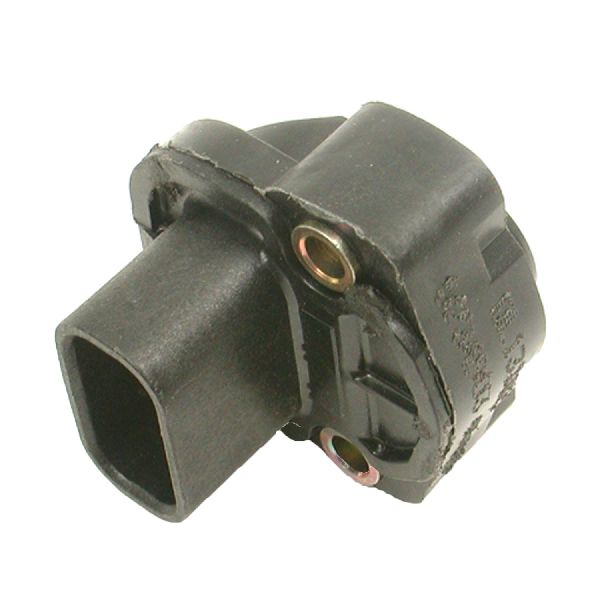
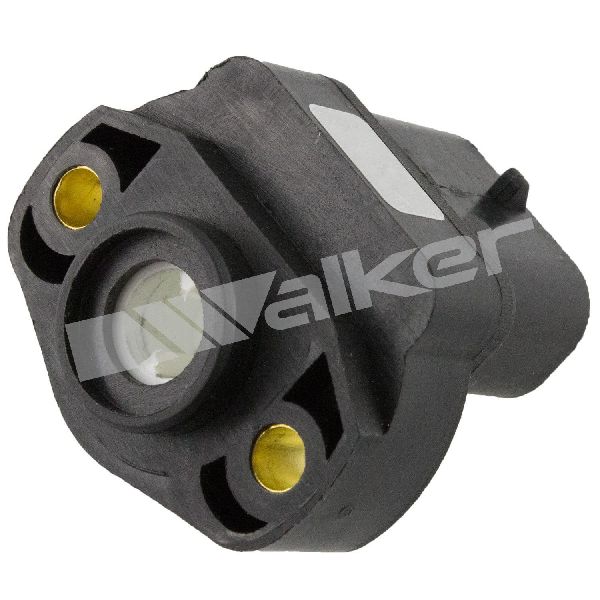
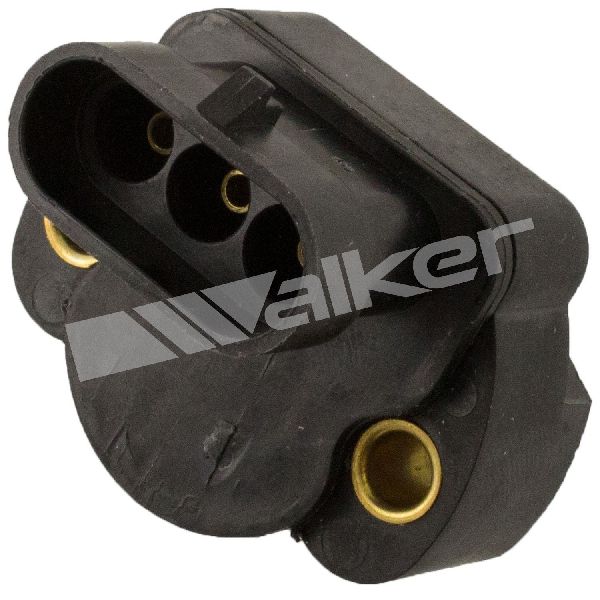
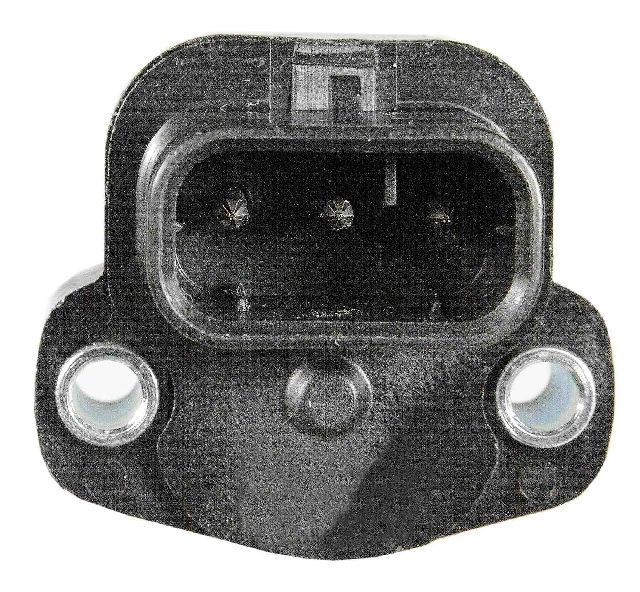
The Throttle Position Sensor is located on the driver's side of the throttle body. It is a three-pin sensor that functions as a potentiometer, sending a variable voltage signal to the engine computer based on throttle plate angle.
We Have This Part in Stock


The information in this article is provided for general reference and educational purposes only. Vehicle specifications, procedures, and part compatibility can vary by production date, trim level, and region. Always consult your vehicle's factory service manual and verify part numbers before purchasing or performing repairs. Safety-critical components such as airbags, seat belts, and braking systems should be installed by a qualified professional.
- Dodge B350: