

Dodge Colt 1988-1994 Catalytic Converter Replacement Guide
Everything you need to know before buying a new catalytic converter for your Colt.
- Your pre-OBDII Colt will show physical symptoms like power loss or a rotten egg smell instead of a specific check engine code.
- Converter failure is usually a symptom of another problem; fix any engine misfires or leaks to protect your new part.
- Choose a direct-fit converter for easier installation; universal parts require welding.
- Brand quality varies significantly, from budget AP/Eastern units to higher-end MagnaFlow converters.
Is Your Colt's Catalytic Converter Failing?
Since your 1988-1994 Dodge Colt was built before modern On-Board Diagnostics (OBD-II), you likely won't get a specific "Check Engine" light code like P0420 pointing to a bad converter. You need to rely on physical symptoms to diagnose a problem. Watch out for these signs:
- Loss of Power: The car feels sluggish and struggles to accelerate. This is a classic sign of a clogged converter creating too much backpressure in the exhaust.
- Rotten Egg Smell: A strong sulfur smell from the exhaust means the converter is no longer properly processing exhaust gases.
- Rattling Noise: If you hear a rattling or clattering sound from under the car, the ceramic honeycomb inside the converter has likely broken apart.
- Reduced Fuel Economy: If you're filling up your gas tank more often, it could be because the engine is working harder to push exhaust through a restriction.
- Failed Emissions Test: Often, the first and only sign of a problem is failing a state-mandated smog check.
Don't Ignore a Failing Converter
A completely clogged catalytic converter can create so much backpressure that the engine may stall or not start at all. The extreme heat from a clogged converter can also become a fire hazard. It's best to address the issue as soon as symptoms appear.
Choosing the Right Aftermarket Converter
For a vehicle as old as the '88-'94 Colt, original equipment (OEM) parts from Dodge are likely discontinued and unavailable. The market consists of aftermarket brands that fall into different quality and price tiers. Your choice depends on your budget and how long you plan to keep the car.
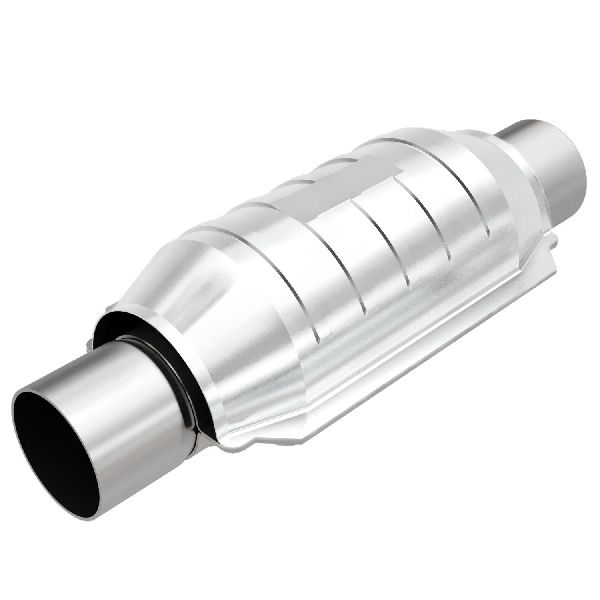
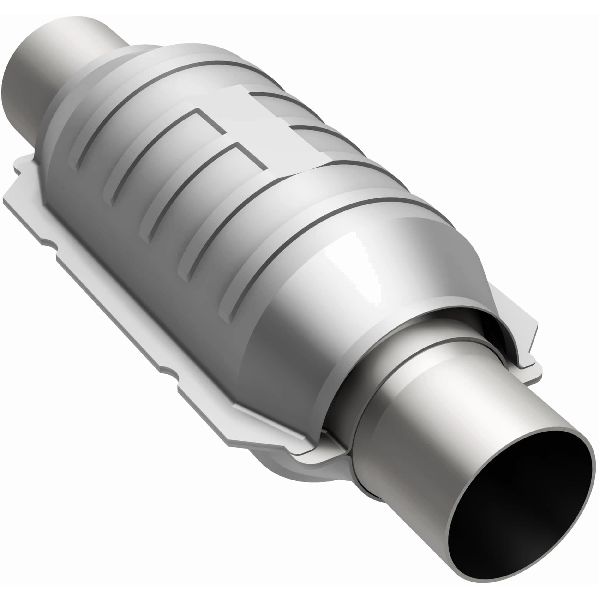
Tier 1: Performance & Durability (MagnaFlow)
MagnaFlow is a well-regarded brand known for high-quality construction and good performance. Many repair shops prefer them. While they are the most expensive option in the aftermarket, they are built to last and are an excellent choice if you want the best possible replacement. MagnaFlow may also offer a slightly different exhaust note due to their high-flow design.
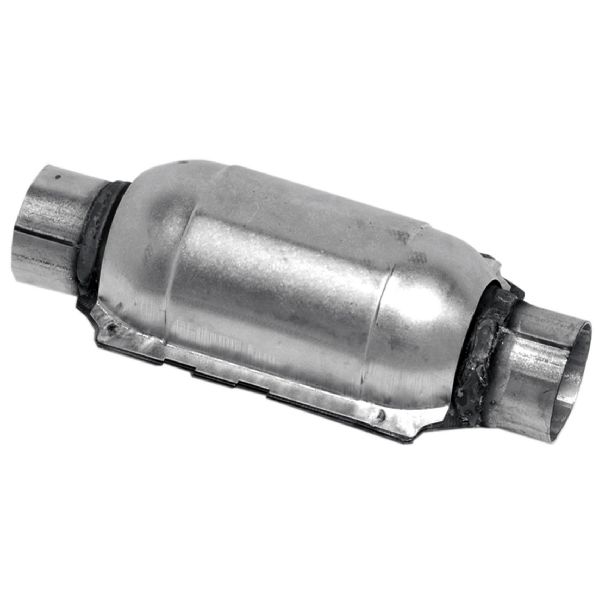
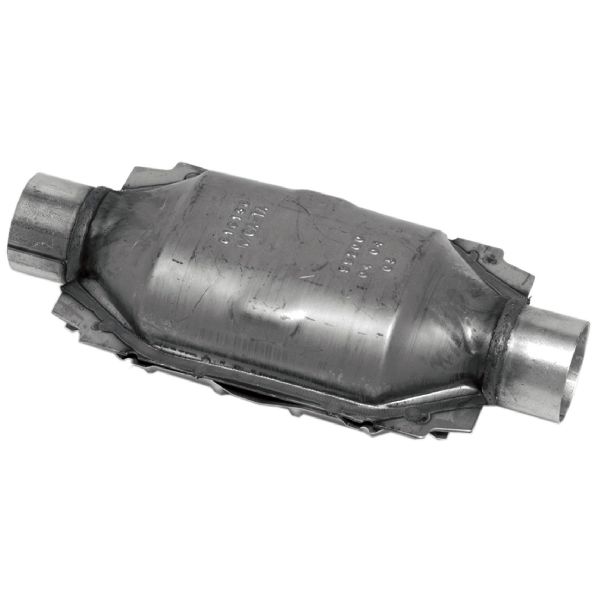
Tier 2: Standard Replacement (Walker Exhaust)
Walker is a major manufacturer that also supplies parts directly to automakers, and they are a reliable choice for a standard, OE-style replacement. They offer a good balance of quality and price. While some users in online forums have mentioned issues with rust over time, they are generally considered a solid, dependable option for a daily driver.
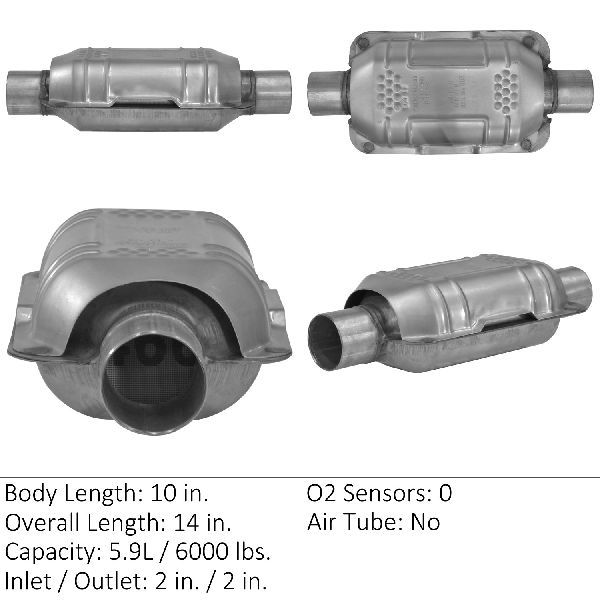
Tier 3: Budget-Friendly (AP Exhaust, Eastern Catalytic)
Brands like AP Exhaust and Eastern Catalytic offer the most affordable converters. However, owner feedback on these brands is very mixed. Some users report they fit well and work without issues, making them a practical choice for an older vehicle. Others have reported problems with poor weld quality, cheap materials, and a shorter lifespan. These are a viable option if budget is your primary concern, but be aware of the potential for quality issues.
Direct-Fit vs. Universal Converters
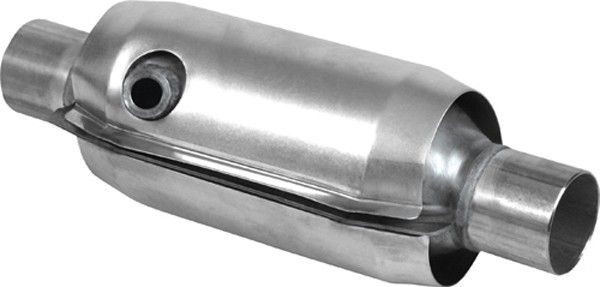
You will find both "Direct-Fit" and "Universal" converters for your Colt. A Direct-Fit model is designed to bolt right into place without modification. A Universal model is cheaper but will require cutting and welding to install. For a simpler DIY installation, a direct-fit part is highly recommended.
Cost to Replace a Dodge Colt Catalytic Converter
| Part/Service | Estimated Cost |
|---|---|
| New Aftermarket Converter | $84 - $560 |
| Shop Labor | $120 - $250 |
| Total Estimated Cost | $204 - $810 |
Cost estimates are for parts and labor and can vary based on your location, the specific product chosen, and the condition of your vehicle's exhaust system.
Frequently Asked Questions
Can I replace the catalytic converter myself?
Yes, this is a feasible DIY job if you have the right tools, including a jack and jack stands, a socket set, and a breaker bar. The biggest challenge on an older car like the Colt will be rusted bolts. Soaking the bolts in penetrating oil overnight is essential. If bolts are seized, you may need a torch or a bolt extractor set.
Why did my original converter fail?
Catalytic converters don't usually fail on their own. Failure is almost always caused by an underlying engine problem. Common causes include engine misfires (from bad spark plugs or wires), leaking fuel injectors, or burning oil/coolant, which send unburned fuel and contaminants into the exhaust and overheat or clog the converter. Always fix the root cause, or you will ruin your new converter.
Are there any recalls for the 1988-1994 Dodge Colt catalytic converter?
No. Searches of the National Highway Traffic Safety Administration (NHTSA) database and other public records show no recalls or technical service bulletins (TSBs) specifically related to the catalytic converter for the 1988-1994 Dodge Colt.
What's the difference between a Federal/EPA and a CARB-compliant converter?
CARB (California Air Resources Board) compliant converters are built to a higher standard with more precious metals to meet stricter emissions rules in states like California, New York, and Maine. Federal/EPA converters are for all other states. You must install the correct type for your state to be road-legal. The parts available for the Colt are typically Federal/EPA compliant only.
Technical Specifications
Varies by brand and model year. Most are universal or direct-fit, pre-OBDII, Federal/EPA compliant converters. Always verify fitment for your specific year and engine (e.g., 1.5L, 1.8L) before purchasing.
We Have This Part in Stock

The information in this article is provided for general reference and educational purposes only. Vehicle specifications, procedures, and part compatibility can vary by production date, trim level, and region. Always consult your vehicle's factory service manual and verify part numbers before purchasing or performing repairs. Safety-critical components such as airbags, seat belts, and braking systems should be installed by a qualified professional.
- Dodge Colt:
- 🛍️ Shop This Part
- Is Your Colt's Catalytic Converter Failing?
- Don't Ignore a Failing Converter
- Choosing the Right Aftermarket Converter
- Tier 1: Performance & Durability (MagnaFlow)
- Tier 2: Standard Replacement (Walker Exhaust)
- Tier 3: Budget-Friendly (AP Exhaust, Eastern Catalytic)
- Direct-Fit vs. Universal Converters
- Cost to Replace a Dodge Colt Catalytic Converter
- Frequently Asked Questions
- 🎟️ Get 5% Off