

GMC C3500 Engine Coolant Temperature Sensor Guide (1988-1994)
Fix poor fuel economy and rough running on your GMT400 truck by understanding and replacing the right coolant sensor.
- Confirm which sensor you need: the two-wire ECM sensor on the intake manifold for performance issues, or the one-wire gauge sender on the cylinder head for gauge problems.
- A bad ECT sensor tricks the computer into running rich, causing poor MPG, black smoke, and a rough idle.
- Replacement is simple, but be ready to swap the new sensor in quickly to minimize coolant loss.
- For reliability, choose a reputable aftermarket brand like Delphi, ACDelco, or Standard Motor Products.
Is Your Truck Running Rough or Guzzling Gas?
If your 1988-1994 GMC C3500 is experiencing symptoms like a rough idle, black exhaust smoke, or a sudden drop in fuel mileage, a faulty Engine Coolant Temperature (ECT) sensor is a likely culprit. This small sensor plays a huge role in how your engine runs. When it fails, it typically tells the engine's computer that the engine is perpetually cold, causing it to dump excess fuel into the cylinders. This guide will help you identify the correct sensor for your truck and choose a quality aftermarket replacement.
The Most Common Mistake: Two Different Sensors
Your GMT400-era truck has two separate sensors for coolant temperature. Ordering the wrong one is a common mistake. It is crucial to identify which one you need to replace:
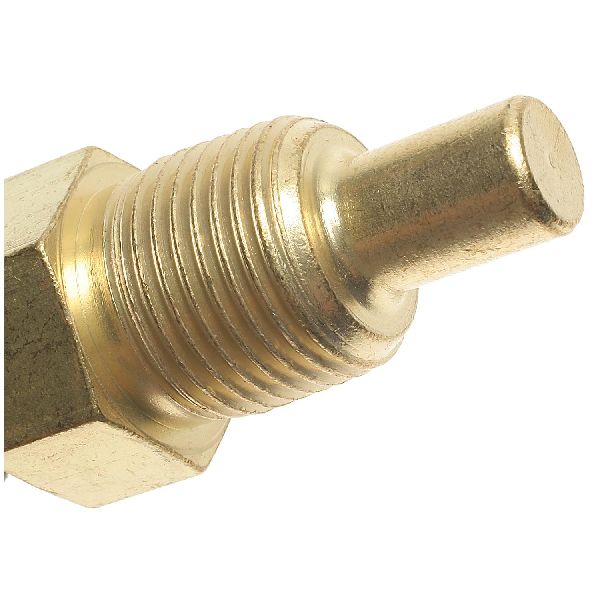
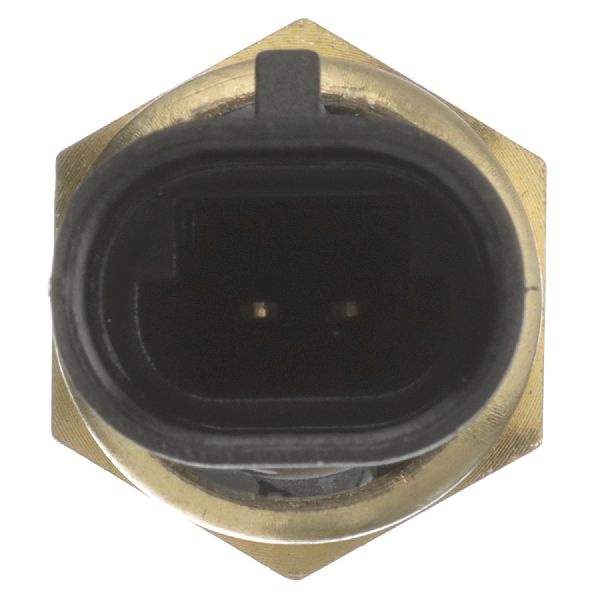
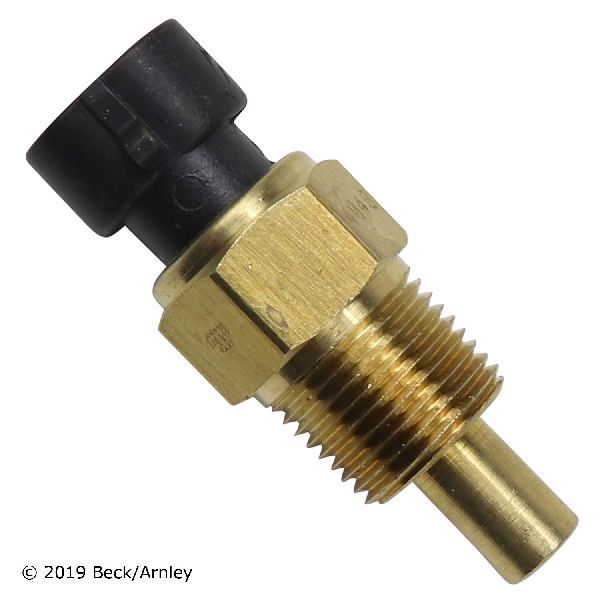
- Engine Coolant Temperature (ECT) Sensor: This is for the Engine Control Module (ECM). It has a two-wire connector and directly affects engine performance. It is located on the front of the intake manifold, usually near the thermostat housing. If you have performance issues, this is the sensor you need.
- Coolant Temperature Sender (or Switch): This is for the temperature gauge on your dashboard. It has a single-wire connector. It is located on the driver's side cylinder head, typically between the #1 and #3 spark plugs. A failure here only affects the gauge reading, not how the engine runs.
Symptoms of a Failing ECT Sensor (for the ECM)
When the main ECT sensor fails, your truck's computer receives false information and adjusts incorrectly. Look for these signs:
- Poor Fuel Economy: The engine runs in a constant "warm-up" mode, using far more fuel than necessary.
- Black Smoke from Exhaust: This is unburnt fuel from the overly rich mixture.
- Rough Idle or Stalling: The engine may idle poorly or stall once it reaches operating temperature.
- Check Engine Light: On these OBD-I trucks, a failure will often trigger a Code 14 or Code 15.
- Hard Starting: An incorrect fuel mixture can make the engine difficult to start, whether it's hot or cold.
Choosing the Right Aftermarket ECT Sensor
While an OEM part from the dealer is an option, the aftermarket offers quality sensors that provide excellent performance and value. For a critical sensor like this, it's best to avoid generic, no-name brands and stick with reputable manufacturers.
Pro Tip: Some replacement sensors come as a kit with a new pigtail connector. The original wiring can become brittle and cause a bad connection, so replacing it at the same time is a smart move.
Brand Quality Tiers
- Top Tier (OEM-Equivalent): Brands like Delphi and ACDelco (Professional line) are often original equipment suppliers to GM. They are trusted for their reliability and accurate readings. NGK (also known as NTK) is another top-tier sensor manufacturer.
- Mid-Grade (Reliable Aftermarket): Standard Motor Products (SMP) and Beck Arnley have a long-standing reputation in the aftermarket for producing reliable parts that meet or exceed OEM specifications.
- Economy (Value-Focused): Brands like Four Seasons, Global Parts, and True Tech offer a lower price point. While functional, they may not have the same long-term durability or precise calibration as higher-tier brands.
| Part Type | Estimated Cost |
|---|---|
| New Aftermarket ECT Sensor | $12.58 - $37.74 |
| New OEM (ACDelco) ECT Sensor | $20 - $50 |
| Shop Labor for Installation | $50 - $100 |
Frequently Asked Questions (FAQ)
Where is the ECT sensor located on my 1988-1994 GMC C3500?
The main ECT sensor that controls the engine has two wires and is located on the front of the intake manifold, near the thermostat housing. The single-wire sender for the dash gauge is on the driver's side cylinder head.
Can I replace the ECT sensor myself?
Yes, this is a great DIY job for a beginner. It requires basic tools, and the sensor is usually easy to access. The main challenge is being prepared to swap the new sensor in quickly to minimize coolant loss. The job can typically be done in under an hour.
Do I need to drain the coolant to replace the sensor?
You do not need to fully drain the cooling system. However, some coolant will leak out when you remove the old sensor. To minimize the mess, let the engine cool completely, remove the radiator cap to release any pressure, and have the new sensor ready to install immediately after removing the old one. Be sure to top off the coolant level after you are finished.
Are there any recalls for the ECT sensor on my truck?
Based on searches of the National Highway Traffic Safety Administration (NHTSA) database, there are no specific recalls or technical service bulletins (TSBs) for the engine coolant temperature sensor on the 1988-1994 GMC C3500.
Technical Specifications
OEM Part Numbers: 25037332 213-77 213-928
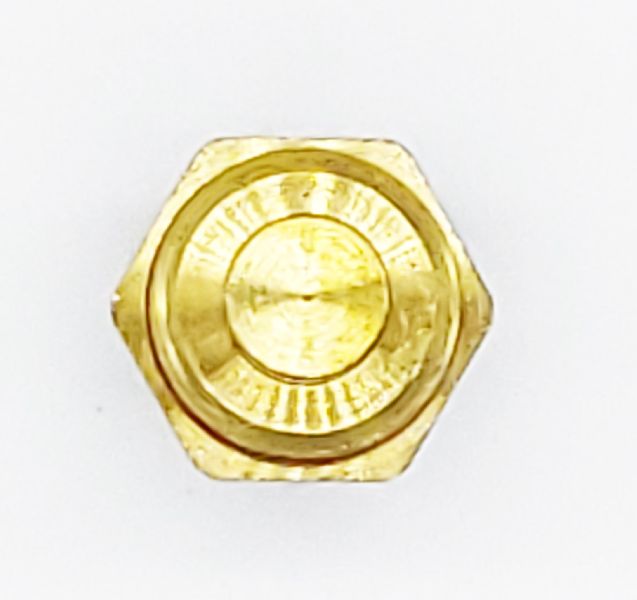
Connector: 2-Pin (for ECM sensor). Location: Intake manifold, near thermostat housing. Thread Size: Typically 3/8" NPT.
We Have This Part in Stock



The information in this article is provided for general reference and educational purposes only. Vehicle specifications, procedures, and part compatibility can vary by production date, trim level, and region. Always consult your vehicle's factory service manual and verify part numbers before purchasing or performing repairs. Safety-critical components such as airbags, seat belts, and braking systems should be installed by a qualified professional.
- GMC C3500: