

Essential Spark Plug Guide for the 1988-1994 Toyota Celica
Keep your Celica's engine running strong with the right set of spark plugs.
- For the 1988-1994 Celica, it is highly recommended to use OEM brands like Denso or NGK for best results.
- Always verify the spark plug gap is 1.1 mm (0.043 in) before installation, especially for the 5S-FE engine.
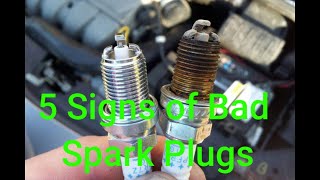
- Symptoms like rough idle, poor acceleration, and engine misfires are common indicators of worn spark plugs.
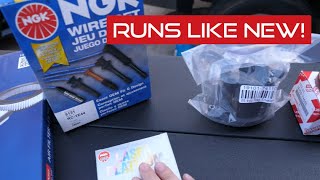
- Consider inspecting and possibly replacing the spark plug wires at the same time, as they can also cause similar issues.
Signs of Failing Spark Plugs in Your Celica
When spark plugs wear out, they can't create a strong enough spark to burn the fuel mixture efficiently. This can cause a number of problems you might notice while driving. Because the 1988-1994 Celica uses a distributor and spark plug wires, a single bad plug or wire can be very noticeable. Look out for these common symptoms:
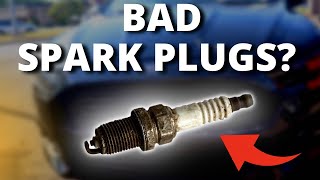
🎬 Watch: A visual guide to identifying bad spark plug symptoms.- Rough Idle: The engine may shake or vibrate more than usual when you're stopped at a light.
- Engine Misfires: You might feel a hesitation, stumble, or jerking sensation during acceleration, especially under load like going up a hill.
- Poor Acceleration: The car may feel sluggish or less responsive when you press the gas pedal.
- Reduced Fuel Economy: If you're filling up the gas tank more often than you used to, worn plugs could be the cause.
- Trouble Starting: A weak spark can make it difficult for the engine to start, particularly in cold weather.
Check Your Wires Too
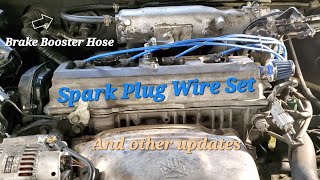
On the 4th and 5th generation Celica, the spark plug wires that connect the distributor to the plugs can also go bad. They can crack or the internal connection can break, causing a weak or non-existent spark. If you're replacing the plugs, it's a good idea to inspect the wires for damage 🎬 See how to properly replace your spark plug wire set. and consider replacing them as a set.
Choosing the Right Aftermarket Spark Plugs
For these Toyota engines, sticking close to the original equipment (OEM) design is the best strategy for reliability and performance. Toyota originally used spark plugs from Denso and NGK. These brands are the most highly recommended by Celica owners in forums and communities.
Brand Quality Tiers for Your Celica
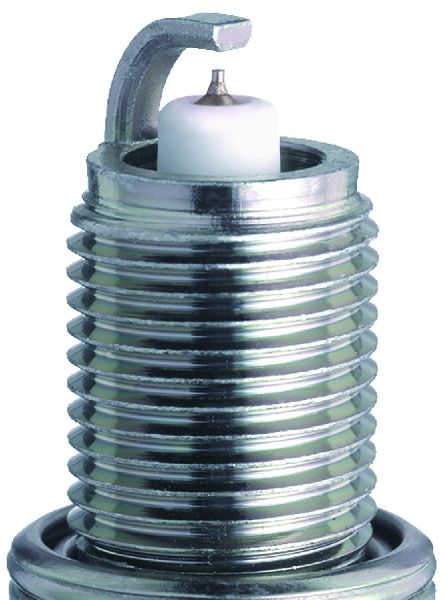
- Top Tier (OEM equivalent): Denso and NGK are the original suppliers for Toyota and are widely considered the best choice. They are engineered specifically for your engine and provide the most reliable performance. Many owners report that using other brands can sometimes lead to issues. For a stock 5S-FE engine, there is no need for expensive "performance" plugs; the standard OEM-style plugs are best.
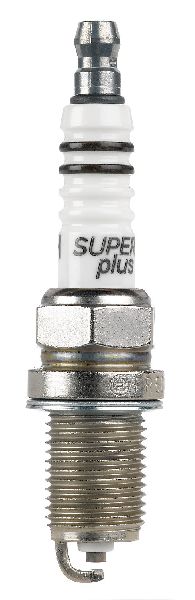
- Mid-Grade (Good Alternatives): Brands like Bosch can be a good alternative if Denso or NGK are not available. They are a reputable manufacturer with a long history of making quality ignition components.
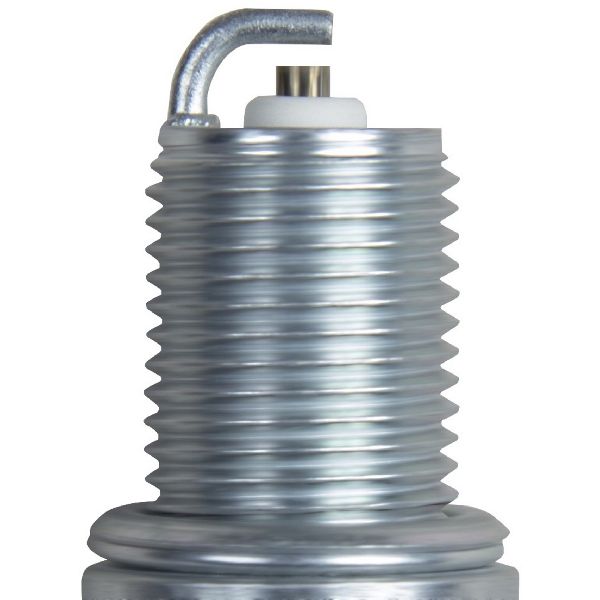
- Economy Tier: Brands like Autolite and Champion can get the job done on a tight budget. While they may not last as long or perform as consistently as the top-tier options, they are a functional replacement. Skyward and MSD are also available but have less feedback from the Celica community for this specific generation.
Check the Gap!
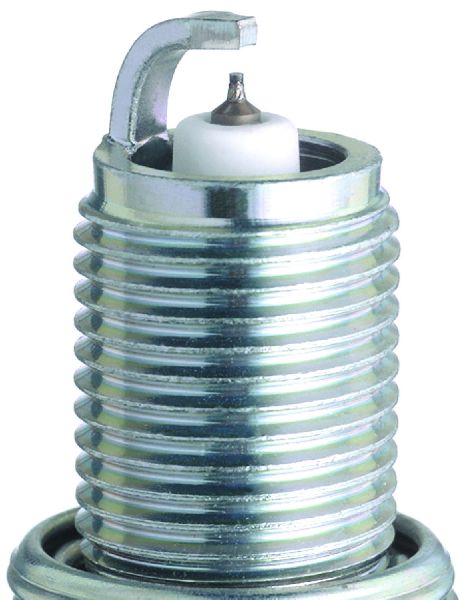
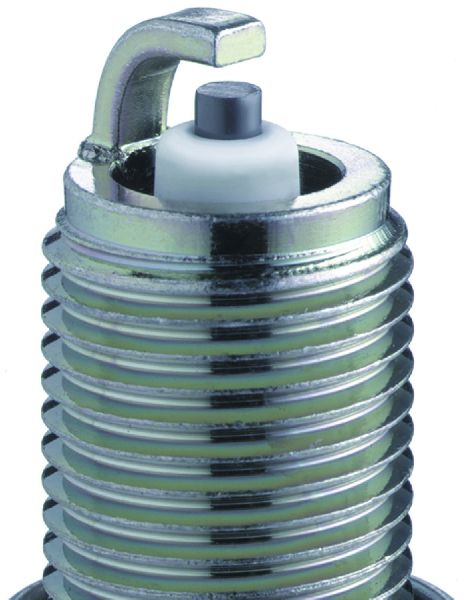
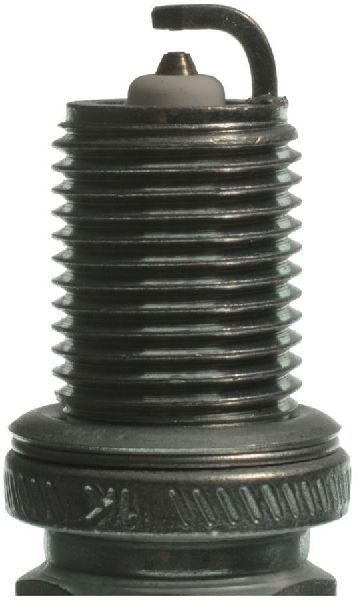
The spark plug gap is the distance between the center and ground electrodes. For the common 2.2L (5S-FE) engine, the correct gap is 1.1 mm (0.043 inches). Most plugs come pre-gapped, but it's crucial to check each one with a feeler gauge or gapping tool before installation. An incorrect gap can lead to poor performance and misfires.
Cost of New Spark Plugs for a 1988-1994 Toyota Celica
| Part Type | Price Range (Set of 4) | Notes |
|---|---|---|
| New Aftermarket (NGK, Denso) | $10 - $45 | This is the recommended option. Price varies by standard nickel, platinum, or iridium types. |
| New Aftermarket (Other Brands) | $10 - $30 | Includes brands like Bosch, Autolite, and Champion. |
| New OEM | $15 - $60 | Purchased from a Toyota dealership. These are typically rebranded Denso or NGK plugs. |
| Shop Labor | $75 - $150 | Replacement is straightforward, typically taking 30-60 minutes. |
Frequently Asked Questions
How often should I change the spark plugs on my Celica?
For this era of vehicle with standard copper/nickel spark plugs, a good rule of thumb is to replace them every 30,000 to 40,000 miles. If you use longer-lasting platinum or iridium plugs, you can extend that interval, but it's still wise to inspect them periodically.
Should I use Iridium or Platinum plugs in my old Celica?
You can, but it's not necessary for a stock engine. Standard nickel or copper plugs from NGK or Denso work perfectly and are what the car was designed for. Iridium and platinum plugs offer a longer service life but don't typically provide a noticeable performance gain on these engines. Sticking with the OEM-recommended type is a safe and cost-effective choice.
What is a "colder" spark plug and do I need one?
A colder spark plug is designed to transfer heat away more quickly. It's only necessary for highly modified engines, such as those with a turbocharger or nitrous, to prevent detonation. For a stock or lightly modified 1988-1994 Celica, you should always use the standard heat range plug recommended by the manufacturer. Using a plug that is too cold can lead to carbon fouling.
Is it difficult to change the spark plugs myself?
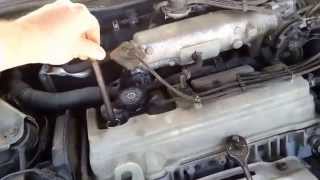
No, this is a great DIY job for beginners. On most 1988-1994 Celica engines, the spark plugs are easily accessible. The process involves removing the spark plug wires, unscrewing the old plugs with a special spark plug socket, gapping and screwing in the new plugs, and reattaching the wires. Just make sure the engine is cool and you don't overtighten the new plugs.
🎬 Follow this step-by-step walkthrough for the 5S-FE engine.Helpful Videos
Technical Specifications
OEM Part Numbers: 90919-01153 90080-91180 90919-01211 90919-01059
For the 2.2L 5S-FE engine, the specified spark plug gap is 1.1 mm (0.043 in). The replacement process uses a standard 16mm or 5/8" spark plug socket.
We Have This Part in Stock

The information in this article is provided for general reference and educational purposes only. Vehicle specifications, procedures, and part compatibility can vary by production date, trim level, and region. Always consult your vehicle's factory service manual and verify part numbers before purchasing or performing repairs. Safety-critical components such as airbags, seat belts, and braking systems should be installed by a qualified professional.
- Toyota Celica: