

1988-1995 Audi 90 Horn: Troubleshooting and Replacement Guide
Learn how to diagnose common horn problems and choose the right new aftermarket part for your classic Audi 90.
- Before replacing the horn, always check the fuse and listen for the relay clicking first.
- Your Audi 90 uses a dual-horn system; a weak sound usually means one of the two (high or low tone) has failed.
- When installing a new horn, point the opening downwards to help prevent water from collecting inside and causing premature failure.
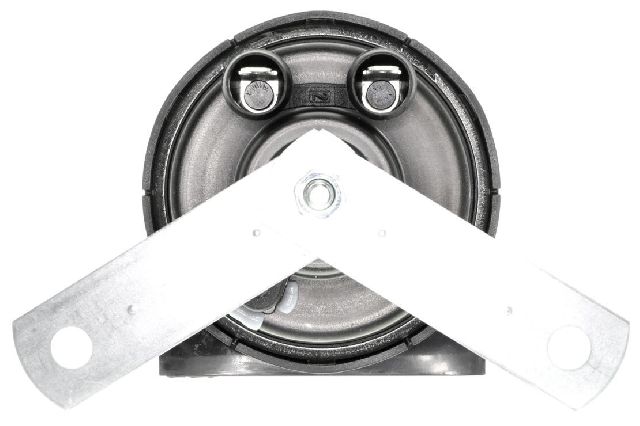
- Aftermarket horns from brands like Vemo and Standard Ignition are reliable and cost-effective solutions for this vehicle.
Is Your Audi 90 Horn Silent?
A horn that doesn't work on a classic Audi 90 is a common issue, but it's often a simple fix. Over time, electrical components like fuses, relays, or the horn units themselves can fail. The most frequent causes of horn failure are a blown fuse, a bad relay, corroded wiring, or a failed horn unit, often due to water getting inside. Before you decide to replace the horn itself, a few simple checks can save you time and money.
Diagnosing the Problem: Fuse, Relay, or Horn?
Follow these steps to find the source of the issue:
- Check the Fuse: This is the easiest and most common fix. The horn fuse is located in the main fuse and relay box in the engine compartment. For B3 models (1988-1991), it is often fuse #13 (30A). For B4 models (1991-1995), it is often fuse #3 (30A). Always check the diagram on your fuse box cover to be sure. If the fuse is blown, replace it with one of the same amperage. If it blows again immediately, you have a short circuit that needs professional diagnosis.
- Check the Horn Relay: With the ignition on, have a helper press the horn button while you listen or feel for a 'click' from the horn relay, which is also in the engine compartment fuse box. For many models, this is in relay position #7 or #8. If you hear a click, the relay is likely working, and the problem is with the wiring or the horns themselves. If you don't hear a click, the relay is a likely suspect.
- Test for Power at the Horn: If the fuse and relay are good, the final step is to test the horn units. They are typically located at the front of the car, behind the grille. Unplug the electrical connector from a horn and use a multimeter to check for ~12 volts at the connector while your helper presses the horn button. If you have power, but the horn makes no sound, the horn unit has failed and needs replacement.
Pro Tip: Water Damage
Water is a common killer of horns. A TSB for newer Audi models notes that water entering the horn's opening can damage the internal membrane. When installing a new horn, try to position it so the opening faces downward. This allows any moisture to drain out, extending the life of the part.
Choosing the Right Aftermarket Horn
Since original OEM horns for a vehicle of this age can be difficult to find and expensive, a new aftermarket horn is a practical and reliable choice. Your Audi 90 has two horns (high and low tone). If your horn just sounds weak or 'sick', it means only one has failed and you only need to replace that specific one. If you are unsure which has failed, it's often best to replace them in pairs. Here’s a look at the available brand tiers:
- Vemo: Vemo is known for producing OEM-quality parts for German vehicles and is often considered a strong alternative to the original manufacturer's parts. For owners looking to maintain a factory-like performance and sound, Vemo is a solid choice.
- Standard Ignition: As a well-established brand in the aftermarket, Standard Ignition (SMP) offers direct-fit replacement parts that are known for their quality and durability. Reviews for their horns are generally positive, making them a reliable mid-tier option.
- Replacement: This brand represents a value-oriented choice. It provides a functional, direct-fit horn at a lower price point, making it a good option for budget-conscious repairs.
| Part | Our Price Range |
|---|---|
| Aftermarket Horn (Replacement, Standard Ignition, Vemo) | $34.01 - $57.52 |
Frequently Asked Questions (FAQ)
Why does my horn sound weak or muffled?
A weak or 'sick' sounding horn almost always means that one of the two horns (either the high-tone or low-tone) has failed. The system is designed for both to sound together. When only one is working, the volume is significantly reduced.
Do I need to buy a high-tone or low-tone horn?
Yes, if you are only replacing one. The two horns are not interchangeable. If you are replacing a single failed horn, you must match the tone (high or low) of the one you are replacing. If you are replacing both, you will need to purchase one of each.
Where is the horn relay located on my Audi 90?
The horn relay is located in the main fuse/relay panel in the engine compartment, near the base of the windshield. It is typically in position #7 or #8, but you should consult your owner's manual or the diagram on the relay panel cover to be certain.
Is replacing the horn a difficult job?
For most DIY mechanics, this is a relatively easy job. The horns are usually accessible after removing the front grille. The most difficult part is accessing the mounting bolts, which can be in a tight space. The horn itself is simply unbolted and the electrical connector is unplugged.
Technical Specifications
System Type: Dual-tone (High and Low Pitch) Voltage: 12V Fuse Rating: 25A or 30A
We Have This Part in Stock


The information in this article is provided for general reference and educational purposes only. Vehicle specifications, procedures, and part compatibility can vary by production date, trim level, and region. Always consult your vehicle's factory service manual and verify part numbers before purchasing or performing repairs. Safety-critical components such as airbags, seat belts, and braking systems should be installed by a qualified professional.
- Audi 90: