

A Comprehensive Guide to Spark Plugs for the 1988-1995 Audi 90
Eliminate engine misfires and restore performance by choosing the correct aftermarket spark plugs for your classic Audi 90.
- For best performance, use OEM-equivalent spark plug brands like Bosch or NGK.
- Always verify the spark plug gap before installation; it should be around 0.028 inches (0.7-0.8mm).
- Failing spark plugs are a common cause of misfires, rough idle, and poor fuel economy.
- Use a torque wrench to tighten the plugs to the manufacturer's specification (typically around 18 ft-lb or 25 Nm) to avoid damaging the engine's cylinder head.
Signs of Failing Spark Plugs in Your Audi 90
Worn or faulty spark plugs can cause a range of noticeable issues. If you experience one or more of these symptoms, it might be time for a replacement. Common signs include a rough idle, engine hesitation or stumbling during acceleration, a noticeable drop in fuel economy, and difficulty starting the engine. In many cases, a failing spark plug will trigger the Check Engine Light, often with codes indicating an engine misfire (P0300, P0301, P0302, etc.).
Choosing the Right Aftermarket Spark Plugs
When it comes to German vehicles like the Audi 90, not all aftermarket brands are created equal. For best performance and reliability, it is highly recommended to stick with brands that are known Original Equipment Manufacturers (OEM).
Brand Recommendations
- Top Tier (OEM-Equivalent): Bosch and NGK are the most trusted brands for this vehicle. They were often the original suppliers to Audi, so their products are designed to meet the strict performance and longevity standards of the original parts. Many owners report the best results with these brands.
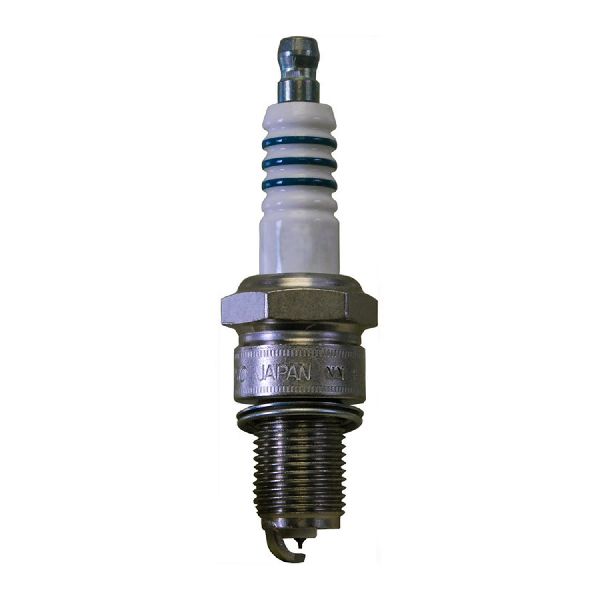
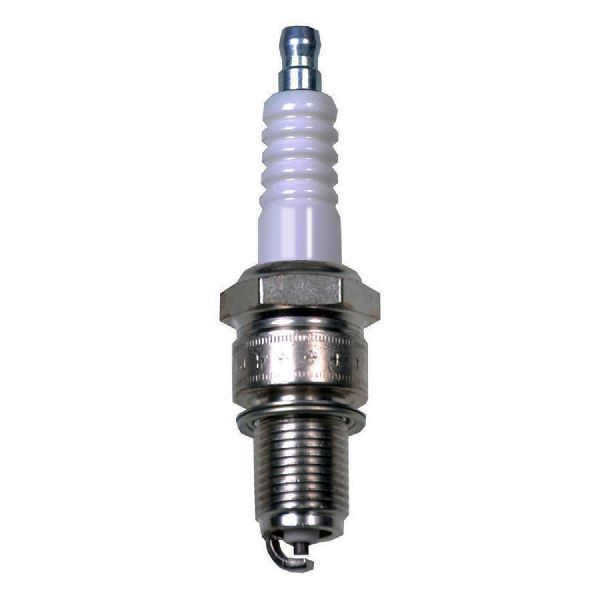
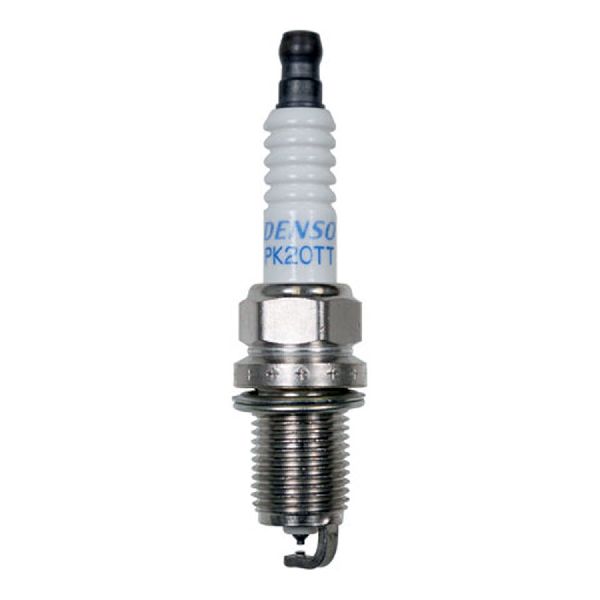
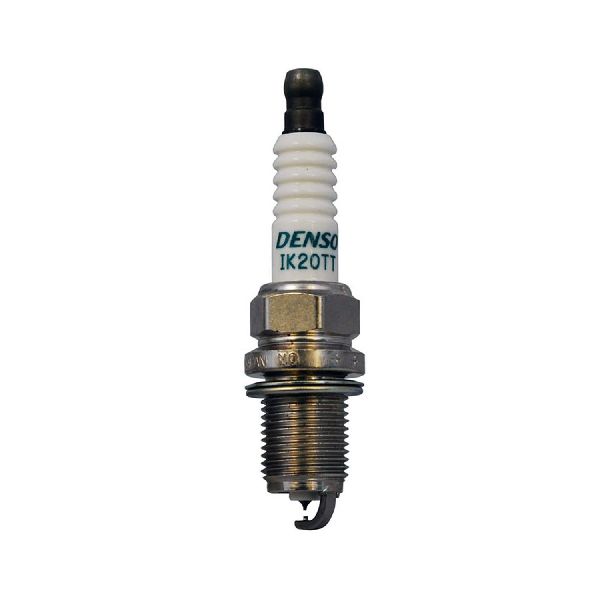
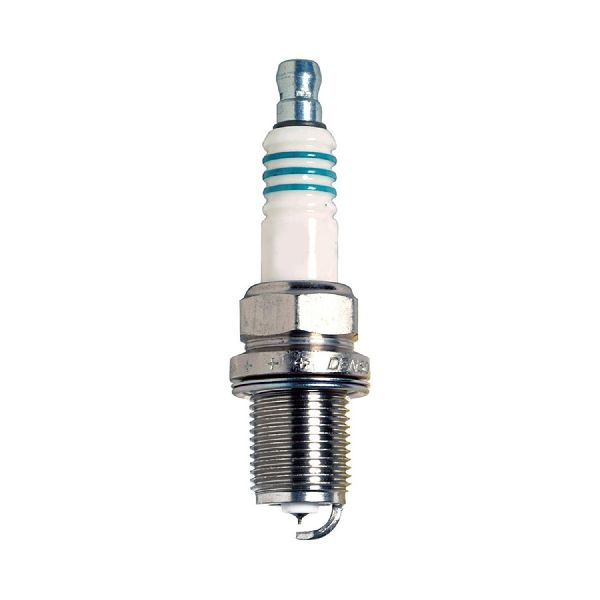
- Reliable Alternatives: Denso is another high-quality Japanese brand that produces excellent spark plugs and is a solid choice if Bosch or NGK are unavailable.
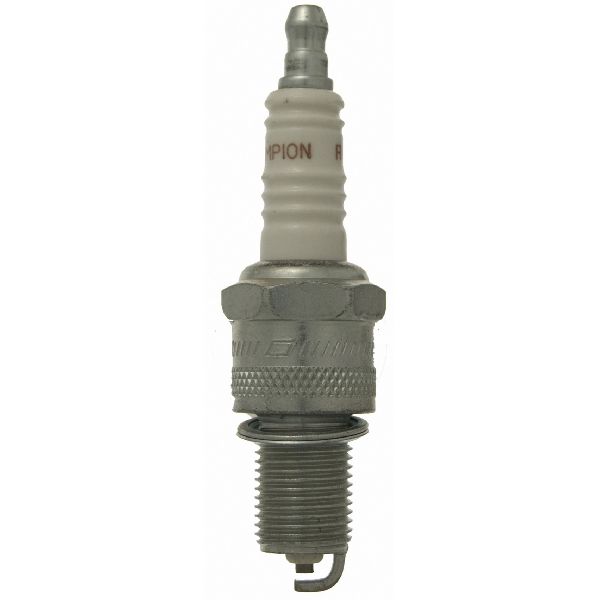
- Budget Options: Brands like Autolite and Champion are available and can work, but they may not offer the same lifespan or consistent performance in these specific engines compared to OEM-equivalent options. Skyward is a standard-grade replacement.
Aftermarket Spark Plug Cost
| Quality Tier | Price Range (Per Plug) |
|---|---|
| OEM-Equivalent (Bosch, NGK) | $6 - $22 |
| Standard Aftermarket (Denso, Autolite, Champion) | $3 - $11 |
Check The Gap!
Even if a spark plug is listed as "pre-gapped," you should always verify the gap with a feeler gauge before installation. The correct gap is crucial for optimal spark performance. For most 1988-1995 Audi 90 engines, the recommended gap is around 0.028 inches (0.7mm - 0.8mm), but always confirm with the plug manufacturer's specifications for your specific part number.
Known Issues, Recalls, and Service Bulletins
For a vehicle of this age, there are no active recalls or Technical Service Bulletins (TSBs) from the NHTSA specifically related to spark plugs. However, a recall from 1999 noted that fuel seepage from injectors, in the presence of a spark leak from a plug wire, could create a fire risk, highlighting the importance of a healthy ignition system. Most knowledge comes from owner forums, which consistently recommend using Bosch or NGK plugs and ensuring the correct gap and torque are used during installation.
Frequently Asked Questions (FAQ)
How often should I replace the spark plugs on my Audi 90?
For this era of vehicle, a general guideline is to inspect and potentially replace standard copper spark plugs every 30,000 miles. Platinum or Iridium plugs can last longer, often up to 60,000 miles. However, it's best to check their condition during regular tune-ups.
What tools do I need to replace the spark plugs?
You will need a ratchet, a spark plug socket (typically 16mm), a socket extension, and a torque wrench. A spark plug gap tool is also essential to check the gap before installation. Applying a small amount of anti-seize lubricant to the threads and dielectric grease to the inside of the plug wire boot is also recommended.
Should I use multi-electrode spark plugs?
Some original Bosch plugs for the Audi 90 were tri-electrode (three ground electrodes). These plugs are designed not to be gapped. If you are replacing them with single-electrode plugs (like most modern NGK or Denso plugs), you must ensure the gap is set correctly. Both types can work well if they are high-quality and specified for your engine.
Is it difficult to replace the spark plugs myself?
For most DIY mechanics, replacing the spark plugs on an Audi 90 is a straightforward job. The 5-cylinder engines offer relatively easy access. The V6 models can be a bit more cramped, especially for the plugs closer to the firewall, but it is still a manageable task for someone with basic tools and patience.
Technical Specifications
OEM Part Numbers: 101000035AA 101000016AA
Thread Size: M14x1.25, Wrench Size: 16mm (5/8"), Recommended Gap: ~0.028 in (0.7-0.8mm).
We Have This Part in Stock

The information in this article is provided for general reference and educational purposes only. Vehicle specifications, procedures, and part compatibility can vary by production date, trim level, and region. Always consult your vehicle's factory service manual and verify part numbers before purchasing or performing repairs. Safety-critical components such as airbags, seat belts, and braking systems should be installed by a qualified professional.
- Audi 90: