

Choosing the Right Distributor for Your 1988-1995 Chevrolet G20
Everything you need to know about replacing the distributor in your TBI-equipped Chevy van.
- A no-start condition with no spark and no fuel is a classic sign of a bad pickup coil in the distributor.
- The most common failure point is the internal Ignition Control Module (ICM), which can cause stalling when hot.
- Replacing the distributor requires setting the engine to Top Dead Center (TDC) and using a timing light after installation.
- Budget-friendly distributors have a reputation for premature failure; investing in a mid-tier or premium brand is recommended for reliability.
Is Your G20's Distributor Failing?
The distributor in the 1988-1995 G20 is a critical component for engine operation. Unlike newer vehicles with coil-on-plug systems, your van relies on this single part to manage spark for all eight cylinders. When it starts to fail, it can cause a wide range of engine problems that may appear suddenly or get progressively worse. Common issues often stem from the internal ignition module or the pickup coil, not necessarily the entire assembly.
Symptoms of a Bad Distributor
A failing distributor can make your van run poorly or leave you stranded. Here are the most common signs to watch for:
- Engine Misfires or Rough Idle: The engine may shake, stumble, or feel like it's tripping over itself, especially at a stop.
- Stalling: The engine may stall unexpectedly while driving or when coming to a stop, and may be difficult to restart.
- No-Start Condition: If the internal pickup coil fails, it won't send a signal to the engine computer, resulting in no spark and no fuel. The engine will crank but will not start. 🎬 Watch this step-by-step diagnosis for a G20 crank-no-start condition.
- Hesitation or Lack of Power: When you press the gas, the van might hesitate or feel sluggish because the ignition timing is erratic.
- Check Engine Light: The computer may detect a problem with the ignition system and trigger the Check Engine Light.
Pro Tip: A common failure point is the ignition control module (ICM) located inside the distributor. If you experience a no-start condition only when the engine is hot, but it starts fine when cold, a failing ICM is a likely suspect.
Choosing the Right Aftermarket Distributor
When shopping for a new distributor, you'll find a wide range of brands and prices. Quality can vary significantly, so it's important to understand the options.
Brand Quality Tiers
Tier 1: Premium & Performance Brands (MSD, FAST, Pertronix, Delphi)
These brands are known for high-quality construction and reliable performance. Delphi is an original equipment (OE) manufacturer for GM, so their parts are made to factory specifications. Brands like MSD, FAST, and Accel are popular in the performance market and often offer features designed for durability, like brass terminals and heavy-duty components. While they are the most expensive, they offer the best peace of mind. However, even performance brands have had user complaints about module failures, so quality can be mixed.
Tier 2: OE-Quality Replacement Brands (WAI Global, Skyward)
These brands aim to provide a direct replacement for the factory part with similar quality and performance. They are a solid choice for a daily driver, offering a good balance between cost and reliability. They are generally more affordable than premium brands but are considered a step up from budget options.
Tier 3: Budget & Economy Brands (Cardone, Replacement)
These are the most affordable options. While they can get your van back on the road, they may use lower-quality internal components, particularly the ignition module and pickup coil. Some forum users suggest that if you buy a budget distributor, it's a good idea to also purchase a high-quality, separate ignition module from a brand like Delphi to install in it. One user specifically recommended avoiding Cardone for this part.
Cost of Replacing Your Distributor
The cost can vary widely based on the brand you choose and whether you do the work yourself.
| Part/Service | Estimated Cost |
|---|---|
| New Aftermarket Distributor | $92 - $599 |
| Shop Labor | $150 - $300 |
| Total Estimated Cost | $242 - $899 |
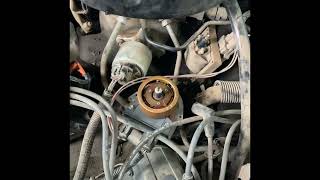
Important Note on Installation: Replacing the distributor is a job that requires precision. The engine must be set to Top Dead Center (TDC) for the #1 cylinder, and the new distributor must be installed in the exact same orientation. If this is done incorrectly, the engine will not run or will run very poorly. This job can be challenging for a beginner.
🎬 See this walkthrough on how to replace the distributor correctly.Frequently Asked Questions
Can I just replace the cap and rotor?
Yes. If your only issue is a worn cap or rotor (indicated by carbon tracking, corrosion, or physical damage), replacing just those parts is standard maintenance. However, if your symptoms point to a no-start or stalling when hot, the problem is likely the internal ignition module or pickup coil, which requires replacing the entire distributor assembly for a reliable fix.
Are there any recalls on the G20 distributor?
No. Searches of the National Highway Traffic Safety Administration (NHTSA) database do not show any recalls or specific technical service bulletins (TSBs) for the distributor on the 1988-1995 Chevrolet G20.
What is the most common part to fail inside the distributor?
The ignition control module (ICM) is the most common point of failure. Heat is its biggest enemy. When replacing an ICM or a full distributor, it is critical to apply the included thermal grease between the module and its mounting surface to ensure it can dissipate heat properly.
Why are some distributors so cheap online?
Very low-priced distributors, often found on sites like eBay or Amazon, are typically mass-produced with lower-cost materials and electronics. Forum discussions among Chevy owners frequently mention that these units have a higher failure rate, especially the internal modules. While the price is tempting, the risk of being stranded by a failed part is much higher.
Do I need a timing light to replace my distributor?
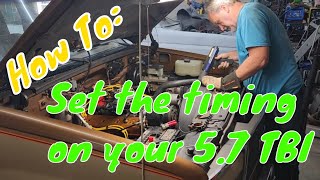
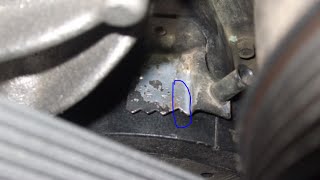
Yes. After installing the new distributor, you must set the base ignition timing. This involves disconnecting a specific wire (the "tan wire with a black stripe") and using a timing light to adjust the distributor's position until the timing mark aligns correctly. Failing to set the timing properly will result in poor performance, bad fuel economy, and potential engine damage.
🎬 Watch a pro show you how to set ignition timing.Helpful Videos

![Crank No Start Diagnosis [1991 Chevy G20]](https://img.youtube.com/vi/OX9H5ek4zbg/mqdefault.jpg)
![Crank No Start Diagnosis 1991 Chevy G20 Part 03 [UPDATE]](https://img.youtube.com/vi/8Ve7dFFX4PI/mqdefault.jpg)
Technical Specifications
OEM Part Numbers: 1103952 1104078 19179578
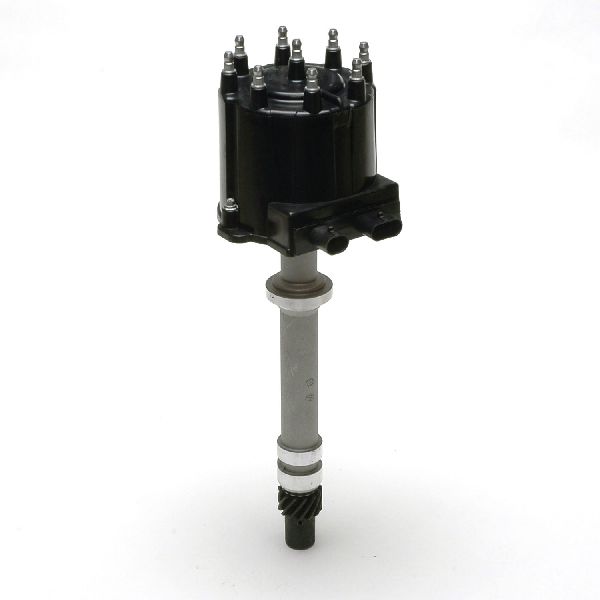
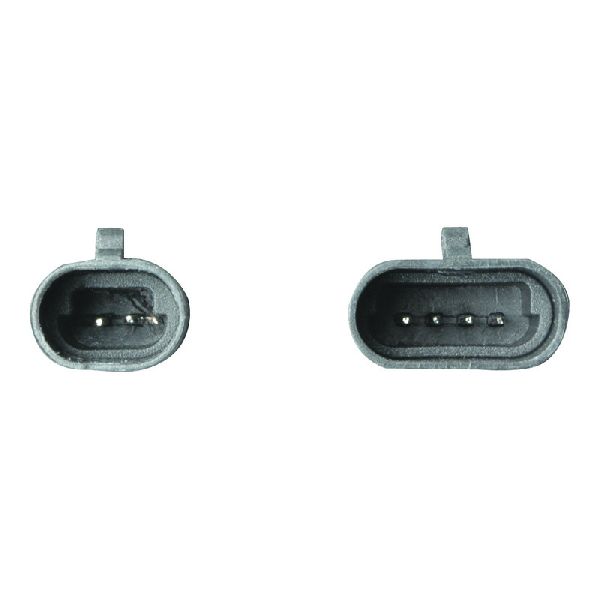
This is a small-cap, computer-controlled distributor designed for GM Throttle Body Injection (TBI) systems. It uses a remote ignition coil and contains an internal ignition control module and pickup coil.
We Have This Part in Stock



The information in this article is provided for general reference and educational purposes only. Vehicle specifications, procedures, and part compatibility can vary by production date, trim level, and region. Always consult your vehicle's factory service manual and verify part numbers before purchasing or performing repairs. Safety-critical components such as airbags, seat belts, and braking systems should be installed by a qualified professional.
- Chevrolet G20: