

Chevrolet K3500 1988-1995 Oxygen Sensor: A Vehicle-Specific Guide
If your classic Chevy truck is running rough or guzzling gas, a bad oxygen sensor is a likely culprit.
- Verify if your truck needs a 1-wire (unheated) or 3/4-wire (heated) sensor before buying.
- Choose a quality aftermarket brand like Delphi, NGK/NTK, or Denso for long-term reliability.
- Use an O2 sensor socket and soak the old sensor in penetrating oil to make removal possible.
- Driving too long with a bad sensor can damage your catalytic converter, leading to a much more expensive repair.
Is Your Oxygen Sensor Failing?
A bad oxygen sensor on your K3500 won't leave you stranded, but it will cause noticeable problems. The computer loses the ability to properly adjust the fuel mixture, almost always resulting in a rich condition (too much fuel). This leads to poor performance and can cause long-term damage.
Key Symptoms of a Bad O2 Sensor:
- Poor Fuel Economy: This is the most common sign. If you find yourself filling up your truck more often, a bad O2 sensor is a prime suspect.
- Rough Idle or Engine Misfires: The engine may run unevenly, stumble, or misfire because the air/fuel mixture is incorrect.
- Check Engine Light: On these OBD-I trucks, a failing O2 sensor can trigger a Check Engine Light, often corresponding to a Code 13.
- Failed Emissions Test: Your truck will not pass an emissions test with a faulty O2 sensor.
- Bad Smell from Exhaust: A rich fuel mixture can cause a rotten egg or sulfur smell from the tailpipe.
Warning: Driving for too long with a bad oxygen sensor can be costly. A continuous rich fuel mixture can overheat and destroy your catalytic converter, a much more expensive repair.
Choosing the Right Aftermarket Sensor
For a vehicle of this age, aftermarket parts are the most common and practical choice. However, quality can vary significantly. We've grouped the available brands into tiers based on owner feedback and industry reputation.
Brand Quality Tiers
Premium Brands (OEM-Equivalent):
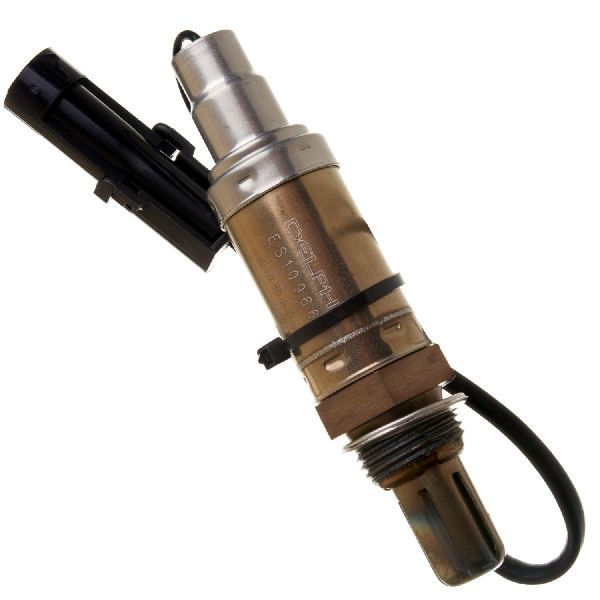
- Delphi: Originally a part of General Motors, Delphi parts are often considered true OEM-equivalents and are a top choice for fit and performance.
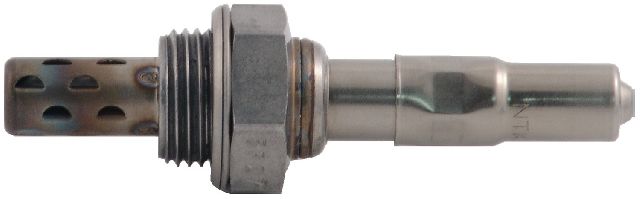
- NGK (NTK): NGK is a leading name in engine management sensors. Their sensor line, NTK, is highly regarded by mechanics and forum users for its reliability and is often a supplier to AC Delco.
- Denso: Another top-tier OEM supplier, Denso sensors are known for their precision and durability. Many owners report them as being identical to the original factory part.
Quality Aftermarket Brands:
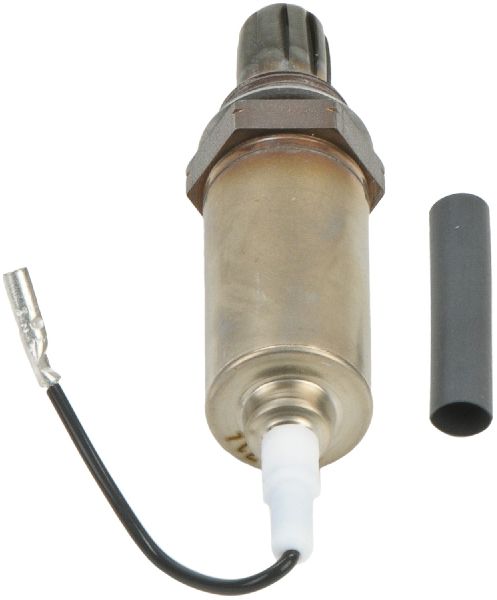
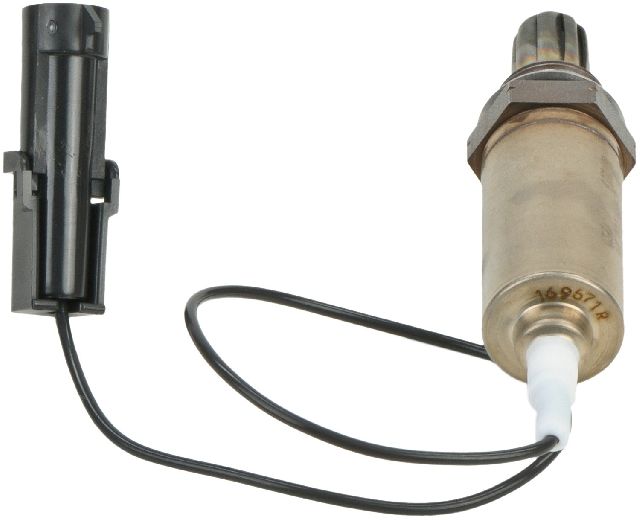
- Bosch: Bosch invented the oxygen sensor and is a massive global supplier. They make a quality product, but some users report occasional issues with their universal-fit sensors, so sticking to a direct-fit part is recommended.
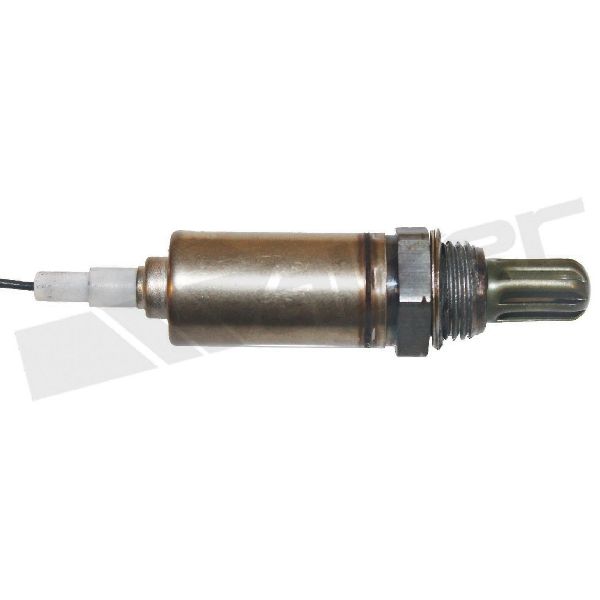
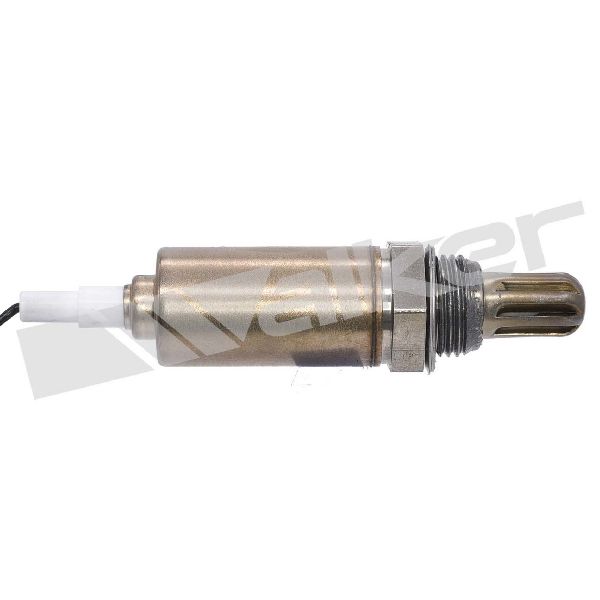
- Walker Products: Walker is a well-known aftermarket exhaust and emissions company. Their sensors are a popular budget-friendly option. While many users have success with them, some forum discussions mention a shorter lifespan compared to premium brands.
Budget Brands:
- DriveWire & Other Store Brands: These are typically the most affordable options. While they may function correctly initially, their long-term reliability and the quality of internal components can be a gamble. For a critical part like an O2 sensor, it's often worth spending a little more for a proven brand.
Common Ordering Mistake: The biggest mistake is ordering the wrong type of sensor. Your 1988-1995 K3500 could have a 1-wire unheated sensor (common on earlier models) or a 3-wire or 4-wire heated sensor (common on later models, especially 1994-1995). ALWAYS check the number of wires on your existing sensor before ordering a replacement.
Replacement Cost
The cost for a new aftermarket oxygen sensor for your K3500 is very reasonable. The main variable in professional installation is how difficult the old sensor is to remove.
| Item | Estimated Cost |
|---|---|
| New Aftermarket Oxygen Sensor | $28 - $87 |
| Shop Labor | $75 - $150 |
| Total Professional Replacement | $103 - $237 |
Frequently Asked Questions (FAQ)
How many oxygen sensors does my 1988-1995 K3500 have?
Most K3500s from this era have only one oxygen sensor. It is located before the catalytic converter. Some heavy-duty or specific engine configurations might have two, but it's uncommon for these OBD-I trucks.
Where is the oxygen sensor located?
It's typically found in one of two places: threaded directly into the driver's side exhaust manifold, or further down in the exhaust Y-pipe where the two sides merge before the catalytic converter.
What is the difference between a heated and unheated sensor?
An unheated (1-wire) sensor relies on the hot exhaust gas to reach its operating temperature. A heated (3 or 4-wire) sensor has an internal heater to warm up faster. This allows the engine's computer to enter 'closed loop' mode sooner, improving fuel economy and emissions right after startup. If your truck came with a heated sensor, you must replace it with another heated one.
Do I need a special tool to replace the O2 sensor?
Yes, it is highly recommended. An O2 sensor socket is a special 7/8" (or 22mm) socket with a slot cut down the side for the wire to pass through. Using one prevents damage to the wire and gives you the best grip on a sensor that is likely seized by rust. Soaking the old sensor in penetrating oil for a day before attempting removal is also a crucial step.
Should I use anti-seize on the new sensor?
Yes. Most new sensors come with a small amount of anti-seize compound already applied to the threads. If yours does not, apply a small amount to the threads only, being careful not to get any on the sensor tip itself. This will make removal much easier in the future.
Technical Specifications
OEM Part Numbers: 19178959 25165312 25312179
Varies by year and engine. Most common types are a 1-wire, unheated, narrow-band sensor or a 3-wire, heated, narrow-band sensor. Both use a M18x1.5 thread size and require a 22mm (7/8") wrench or socket.
We Have This Part in Stock

The information in this article is provided for general reference and educational purposes only. Vehicle specifications, procedures, and part compatibility can vary by production date, trim level, and region. Always consult your vehicle's factory service manual and verify part numbers before purchasing or performing repairs. Safety-critical components such as airbags, seat belts, and braking systems should be installed by a qualified professional.
- Chevrolet K3500: