

Chevrolet S10 Engine Intake Manifold Gasket Guide (1988-1995)
Fixing the common coolant and vacuum leaks on your 1988-1995 S10 starts with choosing the right intake manifold gasket.
- The intake manifold gasket is a very common failure on 1988-1995 S10s, especially the 4.3L V6.
- Choose an aftermarket gasket set from a premium brand like Fel-Pro or Victor Reinz with a metal carrier; it is a superior design to the failure-prone plastic OEM style.
- The most common symptom is an external coolant leak from the front or rear of the engine.
- If you find milky, contaminated oil, stop driving immediately to prevent catastrophic engine failure.
Is Your S10 Leaking Coolant or Running Rough? It Could Be the Intake Gasket.
If you own a 1988-1995 Chevrolet S10, especially one with the 4.3L V6 engine, there's a good chance you'll face a leaking intake manifold gasket at some point. This is one of the most common and well-documented issues for these trucks. The original factory gaskets used a plastic frame that doesn't hold up well to years of heat cycles, causing it to crack and fail. This failure can cause coolant leaks, vacuum leaks, and even severe engine damage if ignored.
Symptoms of a Failing Intake Gasket on Your S10
- Coolant Leak: The most obvious sign is a puddle of coolant under your truck. The leak often occurs at the front or rear of the engine and can drip down onto hot exhaust parts, creating a distinct sweet smell of burning antifreeze.
- Engine Overheating: A significant coolant leak will lead to low coolant levels and cause your engine to run hotter than normal or overheat.
- Rough Idle or Poor Performance: A break in the gasket can create a vacuum leak, letting unmetered air into the engine. This throws off the air-fuel mixture and can cause a rough or high idle, hesitation when accelerating, and reduced fuel economy.
- Milky Engine Oil: This is a critical symptom. If the gasket fails between a coolant passage and the engine's interior, coolant will mix with your oil. Check the underside of your oil filler cap and your dipstick for a foamy, light-brown or “chocolate milk” substance. If you see this, do not drive the vehicle, as it can quickly lead to catastrophic engine bearing failure.
OEM vs. Aftermarket Gaskets: A Clear Winner
This is one repair where aftermarket parts are widely considered a significant upgrade over the original equipment design. The factory-style gaskets use a plastic carrier that is the primary point of failure. Reputable aftermarket brands like Fel-Pro and Victor Reinz manufacture replacement gaskets with a more durable steel carrier that prevents the cracking and degradation issues seen with the original plastic design. Choosing a quality aftermarket set is essential for a long-lasting repair.
Choosing the Right Aftermarket Gasket Set
Not all aftermarket gaskets are created equal. Given the amount of labor involved in this job, it's wise to invest in a quality part to avoid doing the work twice.
- Premium Brands (Recommended): Brands like Victor Reinz and Fel-Pro are the top choices for this repair. They offer redesigned gaskets with a steel or aluminum carrier that directly addresses the original design flaw. These kits provide the best chance for a durable, long-term seal.
- Performance Brands: Edelbrock makes high-quality gaskets, but they are often designed to be used with their own aftermarket performance intake manifolds. These can have larger port openings that may not seal correctly on stock cylinder heads, potentially creating a leak. Only choose these if you are matching them with other Edelbrock performance parts.
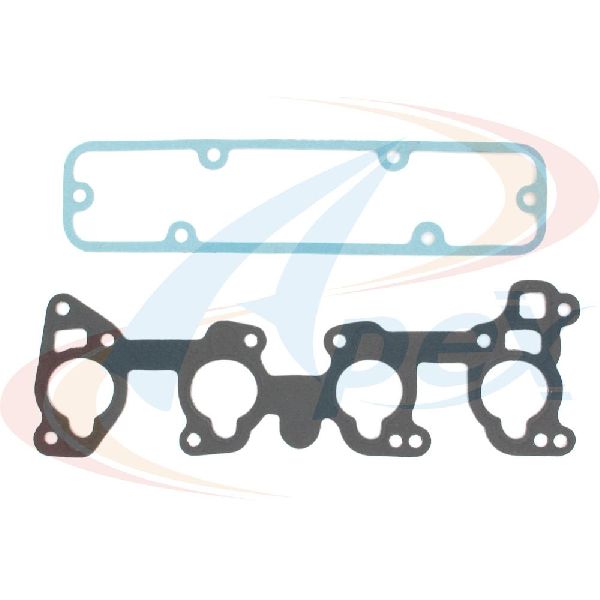
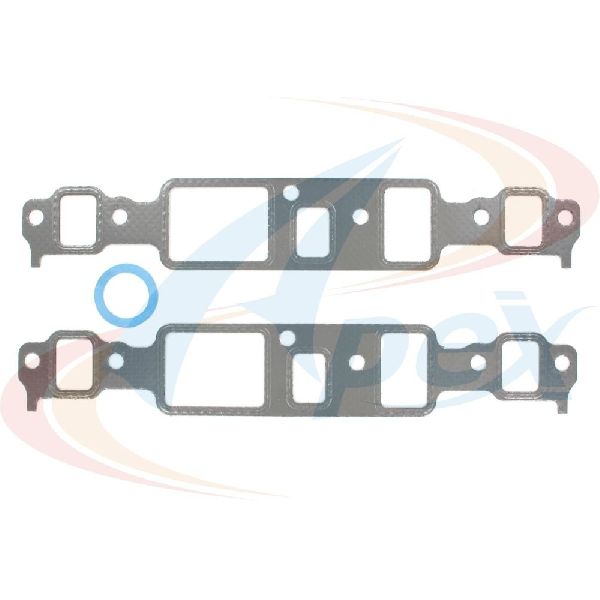
- Value Brands: A brand like Apex falls into the budget category. While the price is tempting, forum discussions show mixed results. For a labor-intensive job like an intake gasket, most mechanics would advise against using a budget part, as the risk of premature failure outweighs the small initial cost savings.
| Part Type | Estimated Price Range |
|---|---|
| Aftermarket (Value Brands) | $12.77 - $25.00 |
| Aftermarket (Premium Brands like Fel-Pro, Victor Reinz) | $25.00 - $56.51 |
| Shop Labor for Installation | $400 - $750 |
Pro Tip: Installation Best Practices
When replacing the gasket, most mechanics discard the rubber end seals for the front and rear of the manifold (the "china walls"). Instead, they apply a thick bead of high-quality RTV silicone sealant in these areas for a more reliable seal. Also, ensure you follow the correct multi-step torque sequence for the intake bolts to ensure even clamping pressure.
Frequently Asked Questions (FAQ)
Was there a recall for the S10 intake manifold gasket?
No, there were no official safety recalls issued by GM or the NHTSA for this specific common failure on the 1988-1995 Chevrolet S10.
Can I do this replacement myself?
This is a challenging but achievable job for an experienced DIY mechanic. It requires significant disassembly of the top part of the engine, including the fuel and cooling systems. You will need a good set of tools, a torque wrench, and several hours of time. Beginners should consider seeking professional help.
How long does it take to replace an S10 intake gasket?
A professional mechanic can typically complete the job in 3-5 hours. For a DIYer doing it for the first time, it's best to set aside a full weekend.
Should I replace anything else at the same time?
Since you'll have the top of the engine apart, it's a good time to inspect or replace the distributor cap and rotor, thermostat, and any brittle vacuum lines or coolant hoses. It's also a good opportunity to check the distributor gear for wear, which is another known issue on these engines.
Technical Specifications
Look for gasket sets that specify a steel or aluminum carrier as an upgrade from the original plastic design. The set should include the intake-to-head gaskets, throttle body gasket, and end seals or instructions for RTV application.
We Have This Part in Stock


The information in this article is provided for general reference and educational purposes only. Vehicle specifications, procedures, and part compatibility can vary by production date, trim level, and region. Always consult your vehicle's factory service manual and verify part numbers before purchasing or performing repairs. Safety-critical components such as airbags, seat belts, and braking systems should be installed by a qualified professional.
- Chevrolet S10:
- 🛍️ Shop This Part
- Is Your S10 Leaking Coolant or Running Rough? It Could Be the Intake Gasket.
- Symptoms of a Failing Intake Gasket on Your S10
- OEM vs. Aftermarket Gaskets: A Clear Winner
- Choosing the Right Aftermarket Gasket Set
- Pro Tip: Installation Best Practices
- Frequently Asked Questions (FAQ)
- 🎟️ Get 5% Off